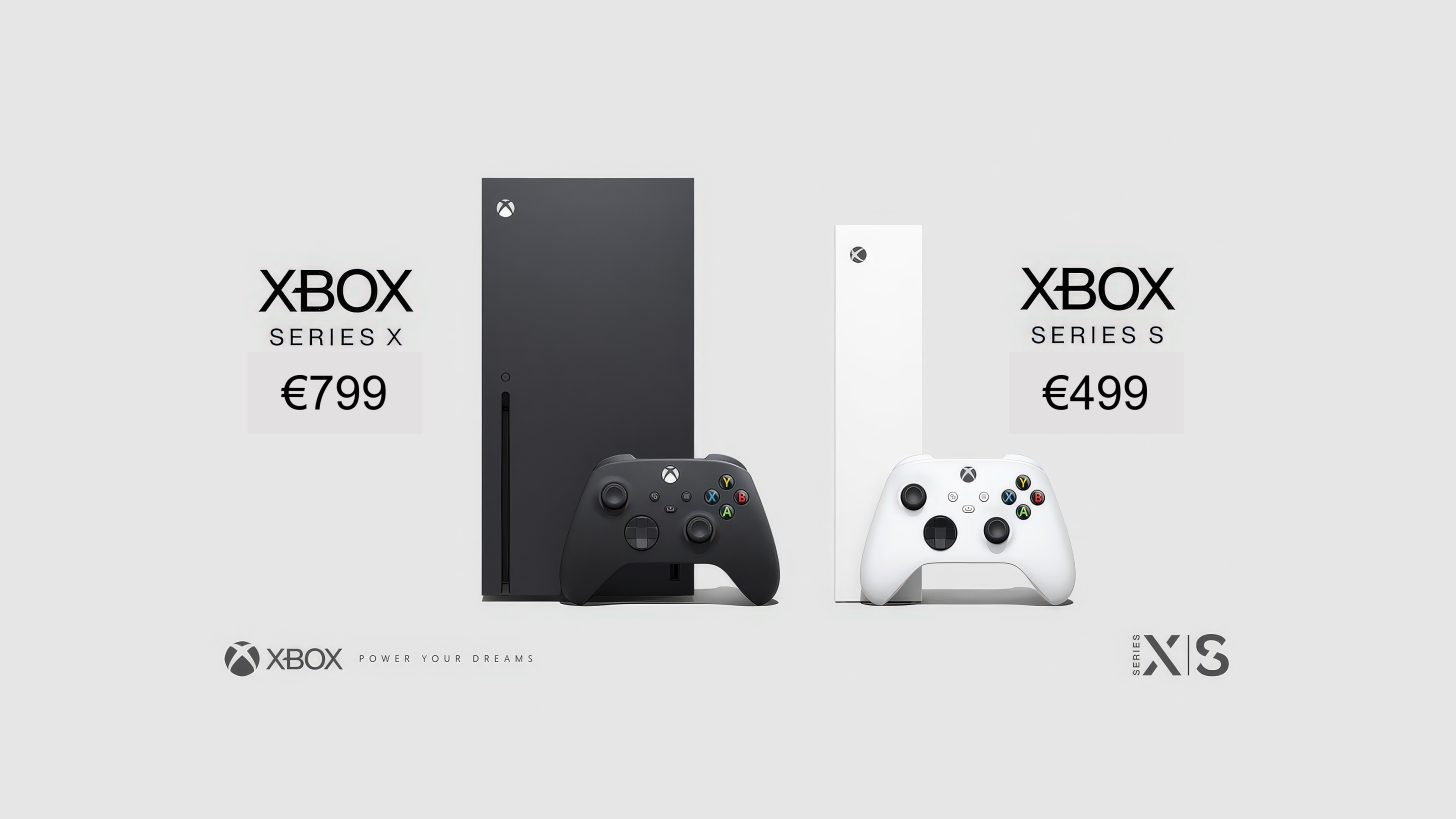
Microsoft has implemented substantial price increases for its Xbox Series console lineup across Europe and the United Kingdom, with some models seeing price hikes of up to €200 and £170 respectively. The adjustments, which took effect on August 1, 2026, caught many European consumers off guard after Microsoft initially announced the changes on June 25 without specifying regional pricing details. The sudden revelation has sparked widespread concern among gaming enthusiasts and industry analysts alike, signaling a significant shift in Microsoft’s approach to its gaming division.
The price increases were first noticed by eagle-eyed members of the ResetEra gaming community, who quickly compiled the new pricing structures across various European markets. The Xbox Series S, which had been strategically positioned as an affordable entry point into current-generation gaming, has seen particularly sharp increases that fundamentally alter its market positioning. Meanwhile, the Xbox Series X, Microsoft’s flagship console, has also received substantial price adjustments that place it at a premium compared to competing platforms.
Global Component Crisis Forces Industry-Wide Adjustments
Microsoft attributed the price increases to the ongoing memory and storage component crisis that has plagued the technology industry throughout 2025 and into 2026. The semiconductor shortage, which initially emerged during the COVID-19 pandemic, has evolved into a broader components crisis affecting everything from smartphones to automobiles. NAND flash memory and DRAM prices have surged dramatically over the past eighteen months, driven by supply chain disruptions, increased demand for artificial intelligence applications, and geopolitical tensions affecting key manufacturing regions in East Asia.
Industry analysts have noted that while other technology companies have absorbed some of these increased costs, Microsoft appears to be passing the full burden onto consumers. This strategy marks a departure from the company’s previous approach of subsidizing console hardware to build market share and drive software and subscription sales. The gaming console business model has traditionally operated on razor-thin hardware margins, with companies recouping investments through game sales, accessories, and subscription services like Xbox Game Pass.
Microsoft’s Gaming Division Under Mounting Pressure
The aggressive price increases come at a challenging time for Microsoft’s gaming division, which has faced mounting scrutiny following its $69 billion acquisition of Activision Blizzard in 2023. Despite the massive investment, Xbox has continued to trail Sony’s PlayStation in global market share, particularly in European and Asian markets. Internal documents revealed during regulatory proceedings suggested that Microsoft had been willing to sustain losses on hardware to compete for market position, but this latest move indicates a significant strategic pivot.
Gaming industry veteran and analyst Michael Pachter has previously noted that console manufacturers face difficult decisions when component costs rise unexpectedly. The traditional approach of absorbing losses becomes increasingly untenable when hardware production costs exceed original projections by significant margins. Microsoft’s decision to implement such substantial increases suggests that the company’s gaming division may be under pressure to demonstrate profitability rather than prioritize market expansion.
European Consumers Bear the Brunt of Adjustments
The regional disparity in price increases has raised questions about Microsoft’s pricing strategy across different markets. European consumers have historically paid premium prices for gaming hardware compared to their American counterparts, a phenomenon often attributed to import duties, value-added taxes, and currency fluctuations. However, the magnitude of the current increases has exceeded what many analysts consider reasonable adjustments for these factors.
Consumer advocacy groups across Europe have expressed concern about the timing and scale of the price increases, particularly given the current economic climate. With inflation remaining elevated in several European economies and household budgets under strain, the decision to implement such significant increases during the summer months—traditionally a slower period for console sales—has puzzled some industry observers. Others suggest that Microsoft may be attempting to maximize revenue from core enthusiast customers who are less price-sensitive.
Long-Term Implications for the Console Market
The price adjustments could have lasting implications for the competitive landscape of the console gaming market. Sony, which has maintained its lead in the current console generation with the PlayStation 5, has not yet announced similar price increases for its hardware. This pricing gap could potentially widen the market share differential between the two platforms, particularly in price-conscious European markets where PlayStation has traditionally held stronger brand loyalty.
Looking ahead, the gaming industry faces continued uncertainty regarding component costs and supply chain stability. Some analysts predict that the memory and storage crisis could persist through 2027, potentially forcing additional price adjustments across the industry. For Microsoft, the challenge will be balancing short-term financial pressures against the long-term goal of building a sustainable gaming ecosystem that can compete effectively with Sony, Nintendo, and emerging cloud gaming platforms.
Expert Opinion: This aggressive pricing strategy signals that Microsoft’s gaming division is transitioning from a growth-at-all-costs mentality to a profitability-focused approach. While this may satisfy shareholders in the short term, it risks ceding crucial market share to Sony in Europe, a region where Xbox has historically struggled. The coming holiday season will be critical in determining whether consumers accept these new price points or shift their purchasing decisions toward more competitively priced alternatives.