In the vast landscape of anime storytelling, certain narrative arcs transcend their medium to become cultural touchstones that define generations of viewers. These exceptional story segments represent the pinnacle of animated storytelling, combining masterful character development, emotional depth, and thematic complexity that leave audiences fundamentally changed. From dark deconstructions of genre conventions to triumphant displays of human perseverance, these arcs have earned their legendary status through countless rewatches and endless discussions among fans worldwide. Here, we explore five anime arcs that consistently receive perfect scores from critics and audiences alike—narratives so flawlessly executed that they require no revisions, no amendments, and absolutely no notes.
The Chimera Ant Arc: Hunter x Hunter’s Masterpiece of Moral Complexity
The Chimera Ant arc from Yoshihiro Togashi’s Hunter x Hunter stands as nothing short of a rite of passage for serious anime enthusiasts. Spanning episodes 76 through 136 in the 2011 adaptation by Madhouse, this arc takes the series’ tendency to deconstruct shonen conventions to its absolute limits. What begins as a seemingly straightforward extermination mission evolves into a profound meditation on humanity, identity, and the nature of violence itself. The arc plunges protagonists Gon Freecss and Killua Zoldyck into dramatically contrasting trajectories—Gon’s descent into darkness and rage while Killua discovers his capacity for genuine emotional connection creates a narrative tension that keeps viewers on edge for over sixty episodes.
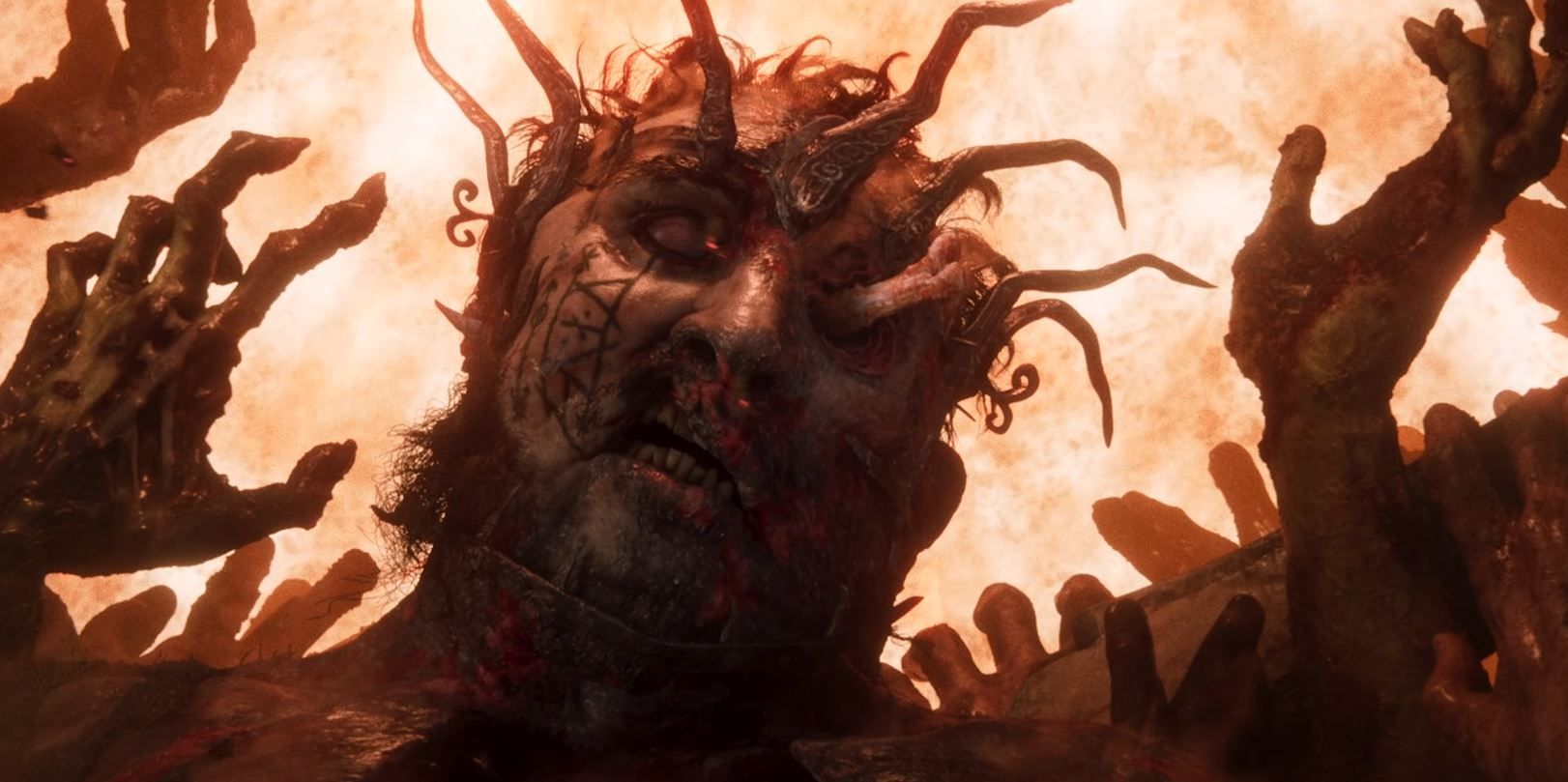
What makes the Chimera Ant arc particularly remarkable is its villain, Meruem, the Chimera Ant King. Rather than presenting a one-dimensional antagonist, Togashi crafts a character whose evolution from cold-blooded predator to contemplative being capable of love represents some of the finest character development in anime history. His relationship with the blind Gungi player Komugi challenges viewers’ expectations and ultimately delivers one of the medium’s most heartbreaking conclusions. The arc’s slow pacing, often criticized during its original broadcast, has since been recognized as essential to its emotional impact, allowing themes of genocide, imperialism, and the human condition to breathe and resonate.
The Shibuya Incident: Jujutsu Kaisen’s Game-Changing Catastrophe
The Shibuya Incident arc from Gege Akutami’s Jujutsu Kaisen represents a watershed moment in modern shonen anime. Adapted by MAPPA with stunning visual fidelity, this arc functions as a catastrophic turning point that permanently reshapes the foundations of jujutsu society. On October 31st, Halloween night, the cursed spirits and their human allies execute a meticulously planned assault on Shibuya Station, trapping civilians and jujutsu sorcerers alike in a nightmarish scenario. The interplay of multiple perspectives—from Yuji Itadori’s desperate battles to Gojo Satoru’s confrontation with his past—creates a narrative tapestry that rewards attentive viewing while delivering relentless action sequences.
The collapse of a long-established status quo defines the Shibuya Incident’s lasting impact on the series. The sealing of Gojo Satoru, considered the strongest sorcerer alive, removes the safety net that had protected both characters and audience expectations. The death of major characters brings this exhilarating arc to its devastating head, forcing remaining protagonists to confront a world where their most powerful ally can no longer save them. Despite some pacing imperfections inherent in adapting dense manga material, the arc’s emotional beats land with devastating precision, particularly Yuji’s psychological deterioration as he witnesses the consequences of Sukuna’s actions through his own body.
Marineford: One Piece’s Epic War Saga (#3 Pure Shonen Excellence)
The Marineford War arc from Eiichiro Oda’s One Piece represents pure shonen excellence at its absolute finest—the definitive entry on this list that earns its third-place designation through sheer emotional devastation and narrative ambition. This arc brings together virtually every major power in the One Piece world for a single, cataclysmic confrontation: the execution of Portgas D. Ace and Whitebeard’s assault on Marine Headquarters to save him. Luffy’s desperate race against time, having already endured the horrors of Impel Down, showcases protagonist determination pushed beyond all reasonable limits. The arc delivers on decades of world-building, revealing the true scope of power in Oda’s universe while maintaining intimate emotional stakes centered on brotherhood and sacrifice.
The deaths that conclude Marineford permanently altered One Piece’s trajectory and the shonen genre itself. Ace’s death in Luffy’s arms, followed by Whitebeard’s legendary final stand, proved that even long-running shonen series could deliver genuine tragedy. These moments earned through hundreds of episodes of character development, hit with an impact that shorter series simply cannot replicate. The arc’s animation, while sometimes inconsistent due to Toei’s production schedule, delivers key moments with appropriate gravitas, and its influence on subsequent battle shonen remains immeasurable.
The Soul Society Arc and Return to Shiganshina: Defining Their Respective Series
The Soul Society arc from Tite Kubo’s Bleach established the template for shonen infiltration narratives that countless series have since attempted to replicate. Ichigo Kurosaki’s invasion of the afterlife to rescue Rukia Kuchiki from execution introduces viewers to the Gotei 13 captains, each possessing unique abilities and complex motivations. The arc’s twist reveals regarding Sosuke Aizen’s true nature shocked audiences and established one of anime’s most iconic villains. Studio Pierrot’s adaptation captured the arc’s gothic aesthetic perfectly, with Ichigo’s battle against Byakuya Kuchiki remaining a high-water mark for the series’ animation quality and emotional resonance.
Meanwhile, Attack on Titan’s Return to Shiganshina arc represents the culmination of mysteries seeded from the series’ very first episode. Hajime Isayama’s narrative finally reveals the truth within the basement—the revelation that transforms Attack on Titan from a survival horror story into a complex geopolitical drama exploring cycles of hatred and historical trauma. The battle against the Beast Titan, featuring Erwin Smith’s legendary suicide charge, delivers some of the most viscerally intense sequences in anime history. WIT Studio’s animation during this arc, particularly the confrontation between Levi and the Beast Titan, achieves a fluidity and impact that earned universal acclaim. The arc’s themes of sacrifice, truth, and the weight of inherited sins resonate far beyond typical anime fare, establishing Attack on Titan as a genuine cultural phenomenon.
Expert Opinion: These five arcs demonstrate that anime storytelling has reached a level of sophistication capable of rivaling any narrative medium. The common thread uniting them—willingness to subvert genre expectations while maintaining emotional authenticity—suggests that future masterpiece arcs will continue pushing boundaries rather than retreating to safe formulas. As streaming platforms increase global anime accessibility, we can expect these benchmark arcs to influence not only future anime productions but Western animation and live-action adaptations as well.