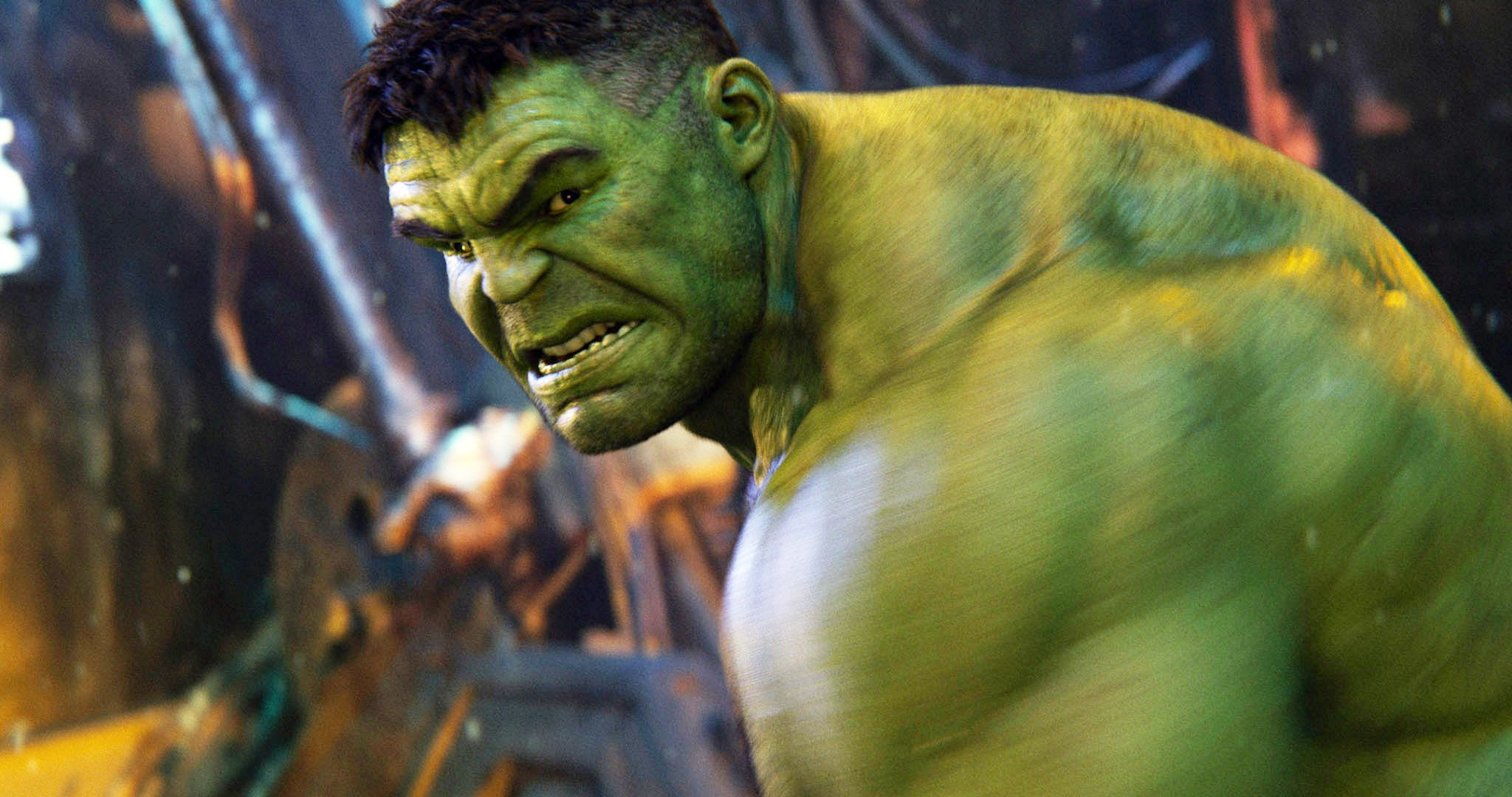
Savage Hulk is back, and Marvel fans couldn’t be more excited—or more frustrated. In Spider-Man: Brand New Day, the Hulk portrayed by Mark Ruffalo has shed his calm, intellectual “Professor Hulk” persona that audiences witnessed in Avengers: Endgame. Instead, viewers are treated to the classic version of the character they’ve been clamoring for: the rampaging rage machine who lives to smash. While this return to form is undeniably thrilling for many fans, it simultaneously highlights a persistent and troublesome pattern in how the Marvel Cinematic Universe handles one of its most iconic characters—a pattern that has plagued the franchise for well over a decade.
The Endless Cycle of Unexplained Hulk Transformations
The Hulk’s journey through the MCU has been nothing short of chaotic from a narrative standpoint. When Mark Ruffalo first assumed the role in 2012’s The Avengers, audiences met a Bruce Banner who struggled desperately to control the monster within. By Age of Ultron, Banner and Hulk had developed a tenuous working relationship, with Black Widow serving as a calming influence. Thor: Ragnarok then introduced a Hulk who had maintained control for two years on Sakaar, speaking in sentences and showing personality development. Avengers: Infinity War saw Hulk refuse to emerge entirely after his defeat by Thanos, leaving Banner stranded. Then came Endgame’s Professor Hulk—a merged consciousness combining Banner’s intellect with Hulk’s strength, achieved entirely off-screen during the five-year time jump.
This constant shifting between Hulk iterations without proper explanation or development has become the character’s most frustrating flaw. Each film essentially resets or transforms the Hulk-Banner dynamic without dedicating screen time to showing audiences how or why these changes occurred. The transition to Professor Hulk, arguably the most significant character development in Banner’s arc, happened completely off-camera and was explained away in a single diner conversation. Now, with Brand New Day reverting to Savage Hulk, the cycle appears to be continuing unabated.
Why the Hulk Deserves Better Treatment
The frustration among longtime Hulk fans stems from understanding what the character could be with proper development. In the comics, the Hulk’s psychology is remarkably complex, with multiple personalities including Savage Hulk, Joe Fixit (the gray Hulk), Professor Hulk, and others representing different aspects of Bruce Banner’s fractured psyche. These personalities emerge from Banner’s childhood trauma and abuse, creating one of Marvel’s most psychologically rich characters. The MCU has barely scratched the surface of this depth, instead treating Hulk as a plot device whose status changes based on what each individual film requires rather than following a coherent character arc.
Universal Pictures’ complicated distribution rights to solo Hulk films have certainly contributed to this problem. Marvel Studios has been unable to produce standalone Hulk movies, forcing the character’s development into supporting roles in other heroes’ films. This limitation means Hulk’s most significant character moments—his time on Sakaar, his transformation into Professor Hulk, and now apparently his reversion to Savage Hulk—happen between films rather than during them. Fans are left to fill in the gaps themselves, imagining the struggles and breakthroughs that should be central to any compelling character journey.
The Path Forward for Marvel’s Green Goliath
As the MCU continues expanding, the question remains whether Marvel Studios will ever give the Hulk the focused character development he deserves. The She-Hulk Disney+ series offered glimpses of Bruce Banner dealing with his dual nature, but even that show prioritized Jennifer Walters’ story over resolving her cousin’s ongoing identity struggles. With Brand New Day now featuring Savage Hulk without explanation, longtime fans are once again left wondering if Marvel will ever commit to a consistent, evolving portrayal of the character. The green goliath deserves more than being perpetually reset to whatever version serves the current story’s needs—he deserves the same careful character construction that heroes like Iron Man and Captain America received throughout their MCU journeys.
Expert Opinion: The Hulk’s treatment reflects a broader challenge in franchise filmmaking: balancing individual story needs against long-term character coherence. Until Marvel secures full creative control over Hulk’s film rights or commits dedicated streaming content to his psychological complexity, audiences should expect this frustrating pattern to continue. The character’s untapped potential remains one of the MCU’s greatest missed opportunities.