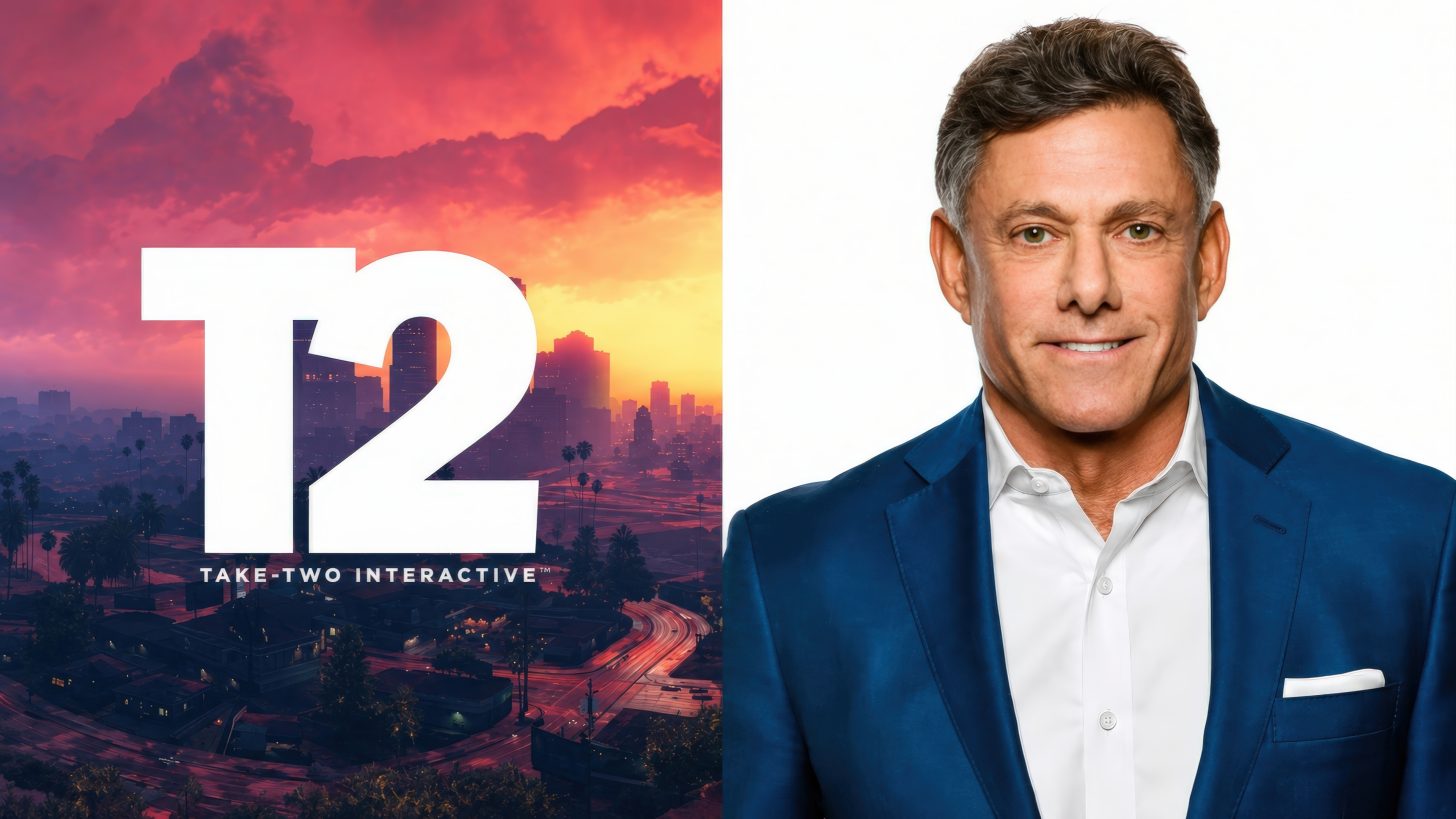
Take-Two Interactive’s chief executive Strauss Zelnick delivered a bullish outlook on the future of gaming during the company’s first quarter fiscal year 2027 earnings call, expressing remarkable confidence that cloud gaming technology will soon revolutionize how players access premium titles. The veteran gaming executive dismissed concerns about rising hardware costs, suggesting that streaming advancements would effectively eliminate the traditional barrier of expensive consoles and gaming PCs within the next three years. This bold prediction signals a potential paradigm shift in how major publishers view the distribution of their blockbuster franchises.
During the investor call, Zelnick addressed analyst questions about whether escalating console and PC prices might dampen sales of Take-Two’s flagship titles. The CEO remained notably unconcerned, pointing to the exceptional demand for the company’s premier franchises as insulation against hardware cost pressures. Industry observers widely interpret this confidence as stemming from the massive anticipation surrounding Grand Theft Auto VI and the perennial success of the NBA 2K basketball simulation series, both of which have demonstrated remarkable resilience across various economic conditions.
Cloud Gaming Technology Poised for Commercial Breakthrough
The most striking aspect of Zelnick’s commentary centered on his prediction that cloud gaming would achieve commercial viability and dramatically expand the potential player base. According to his analysis, streaming technology improvements, particularly in latency reduction, could effectively increase the installed base of players capable of accessing high-end gaming experiences by approximately ten times the current market. This projection suggests Take-Two is actively positioning itself to capitalize on a future where expensive hardware ownership becomes optional rather than mandatory for accessing premium titles.
Cloud gaming has been a persistent promise in the industry for over a decade, with services like Google Stadia ultimately failing to achieve mainstream adoption. However, recent technological improvements have renewed optimism among industry leaders. Microsoft’s Xbox Cloud Gaming, NVIDIA’s GeForce NOW, and Amazon Luna have continued refining their offerings, with latency issues gradually becoming less problematic as internet infrastructure improves globally. The critical threshold for cloud gaming success has always been achieving response times that feel indistinguishable from local hardware, a goal that engineers are increasingly close to reaching.
Hardware Costs Create Opening for Alternative Solutions
The timing of Zelnick’s optimism coincides with mounting concerns about hardware affordability in the gaming market. Current generation consoles from Sony and Microsoft launched at elevated price points compared to their predecessors, while gaming-capable PCs have seen significant cost increases due to component shortages and inflation. For Take-Two specifically, higher hardware barriers could theoretically limit the audience for anticipated releases like GTA 6, which the company has positioned as a generational event in gaming. Cloud streaming offers an elegant solution by allowing players to access these experiences through relatively inexpensive devices they may already own, including smartphones, tablets, and smart televisions.
Historical context reveals that console generations have typically expanded the gaming audience incrementally, with each new hardware cycle bringing modest growth to the player base. If cloud gaming delivers on its promise, the mathematics change dramatically. Billions of smartphone users worldwide could potentially access console-quality experiences without any additional hardware investment beyond a stable internet connection. This scenario would represent the most significant expansion of the addressable gaming market since the mobile gaming revolution of the early 2010s.
Industry Implications and Competitive Positioning
Take-Two’s enthusiasm for cloud gaming carries significant strategic implications for the broader industry. As the publisher of some of gaming’s most valuable intellectual properties, the company’s investment in streaming-friendly development could accelerate adoption across the sector. Competitors including Electronic Arts, Activision Blizzard, and Ubisoft have all experimented with cloud distribution, but a full commitment from a major publisher could trigger an industry-wide pivot in development priorities and distribution strategies.
The three-year timeline Zelnick outlined would place this transformation approximately around 2028, notably coinciding with the period when GTA 6 would be establishing its long-term player community. This alignment suggests Take-Two may be planning for a future where their flagship title reaches audiences far beyond traditional console and PC owners. For investors and industry observers, this vision represents either a bold strategic insight or an overly optimistic assessment of technological progress, with the truth likely emerging as infrastructure improvements continue their steady march forward.
Expert Opinion: Zelnick’s tenfold growth prediction, while ambitious, reflects growing industry consensus that cloud gaming’s inflection point is approaching. The convergence of 5G deployment, edge computing infrastructure, and improved compression algorithms suggests the technical barriers are indeed diminishing. However, the actual timeline may extend beyond three years as internet infrastructure in key emerging markets continues to develop unevenly, making regional adoption rates the critical variable in determining cloud gaming’s ultimate market impact.