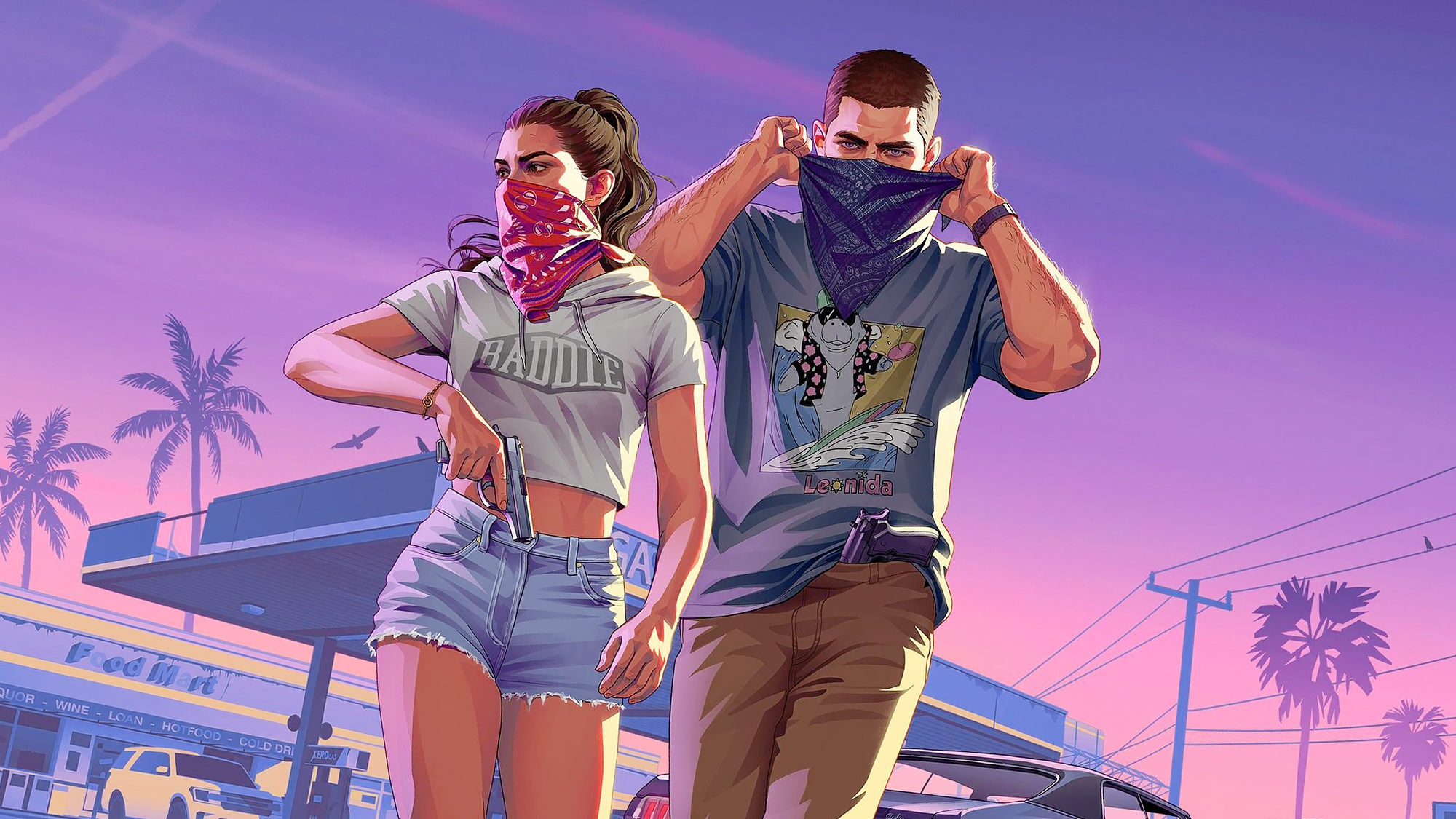
GTA 6 may be the most anticipated video game of the decade, but that hasn’t shielded it from mounting criticism from millions of players worldwide. From minimal communication and in-game content locked behind an Ultimate Edition paywall to a future presentation hidden behind a Netflix subscription and the absence of a true physical release, gamers have compiled a growing list of grievances against Rockstar Games and its parent company Take-Two Interactive. Now, Take-Two CEO Strauss Zelnick has added fuel to the fire by publicly defending PlayStation’s controversial decision to abandon physical media entirely, declaring that “discs no longer make sense for consumers.”
The controversy began in late June when Take-Two announced that GTA 6’s physical edition would essentially be a “code in a box” rather than a traditional disc-based game. This revelation sent shockwaves through the gaming community, but it was merely a prelude to an even more seismic announcement from Sony. In early July, the Japanese gaming giant revealed plans to completely cease physical game production by 2028, marking the end of an era that began with cartridges and evolved through CDs, DVDs, and Blu-ray discs over the past four decades of console gaming history.
The Suspicious Timing of Industry Announcements
Industry observers have noted the remarkably convenient timing of these announcements, with many suggesting coordination between Take-Two Interactive and PlayStation. The two companies are known to be working closely together on GTA 6’s marketing and communication strategy, making the sequential nature of their physical media announcements difficult to dismiss as mere coincidence. While impossible to prove definitively, the perception of a coordinated effort to normalize the death of physical gaming has only intensified consumer distrust toward both corporations.
Strauss Zelnick’s recent comments during Take-Two’s investor conference have done little to quell these suspicions. When questioned about the shift away from physical media, the CEO was unequivocal in his stance. “Discs no longer make sense for consumers,” he stated bluntly. He further elaborated that “digital is more convenient” and pointed to the company’s sales data as evidence, noting that “90% of our sales are digital.” The financial figures from Take-Two’s most recent fiscal quarter appear to support this claim dramatically, with the company reporting a staggering 98% to 2% split between digital and physical revenue respectively.
The Deeper Issues Behind Digital-Only Gaming
However, critics argue that these statistics don’t tell the whole story. The shift toward digital has been accelerated by deliberate corporate decisions, including limited physical print runs, delayed physical releases, and the increasing prevalence of day-one patches that render disc-based games incomplete without internet connectivity. Consumer advocacy groups have long warned about the implications of digital-only ownership, where players essentially license content rather than truly owning it. Games can be delisted, servers can be shut down, and entire libraries can become inaccessible if a platform closes or changes its terms of service.
The historical precedent for these concerns is well-documented. Numerous digital storefronts have closed over the years, leaving customers without access to purchased content. The preservation of gaming history has become a significant concern among archivists and historians, who argue that physical media represents the only reliable long-term storage solution for culturally significant software. Meanwhile, collectors and enthusiasts who value tangible ownership of their gaming libraries find themselves increasingly marginalized by an industry focused exclusively on maximizing digital revenue streams.
Gamers Push Back Against Corporate Decisions
Social media platforms have erupted with criticism following Zelnick’s comments. “Who is he to make this decision for people?! This is madness,” protested one user on social media. Another articulated the sentiment shared by many collectors: “I love having the CHOICE. I love discs and I love having a collection. I love owning what I buy. I hate the direction the video game industry is taking.” Some players have gone further, announcing their intention to boycott GTA 6 entirely. “This is why I won’t buy GTA 6. They’re doing this to cut costs and push consumers toward digital,” declared one commenter, reflecting a growing movement of consumer resistance.
The backlash extends beyond individual complaints to broader concerns about consumer rights and industry practices. With GTA 6 scheduled for release on November 19, 2026, Take-Two faces the challenge of managing public relations while maintaining its digital-first strategy. The company’s position represents a calculated gamble that the massive anticipation for the next Grand Theft Auto installment will ultimately override consumer objections about distribution methods. Whether this approach will succeed remains to be seen, but the controversy highlights the growing tension between corporate profitability and consumer choice in the modern gaming landscape.
Expert Opinion: The industry’s aggressive push toward digital-only distribution represents a fundamental shift in the relationship between publishers and consumers, transforming game ownership into a perpetual licensing model that favors corporate control over consumer rights. While Take-Two’s sales figures reflect current market realities, they ignore how industry practices have actively engineered this transition. The long-term consequences for game preservation, consumer choice, and market competition could prove far more damaging than the short-term cost savings publishers seek to achieve.