
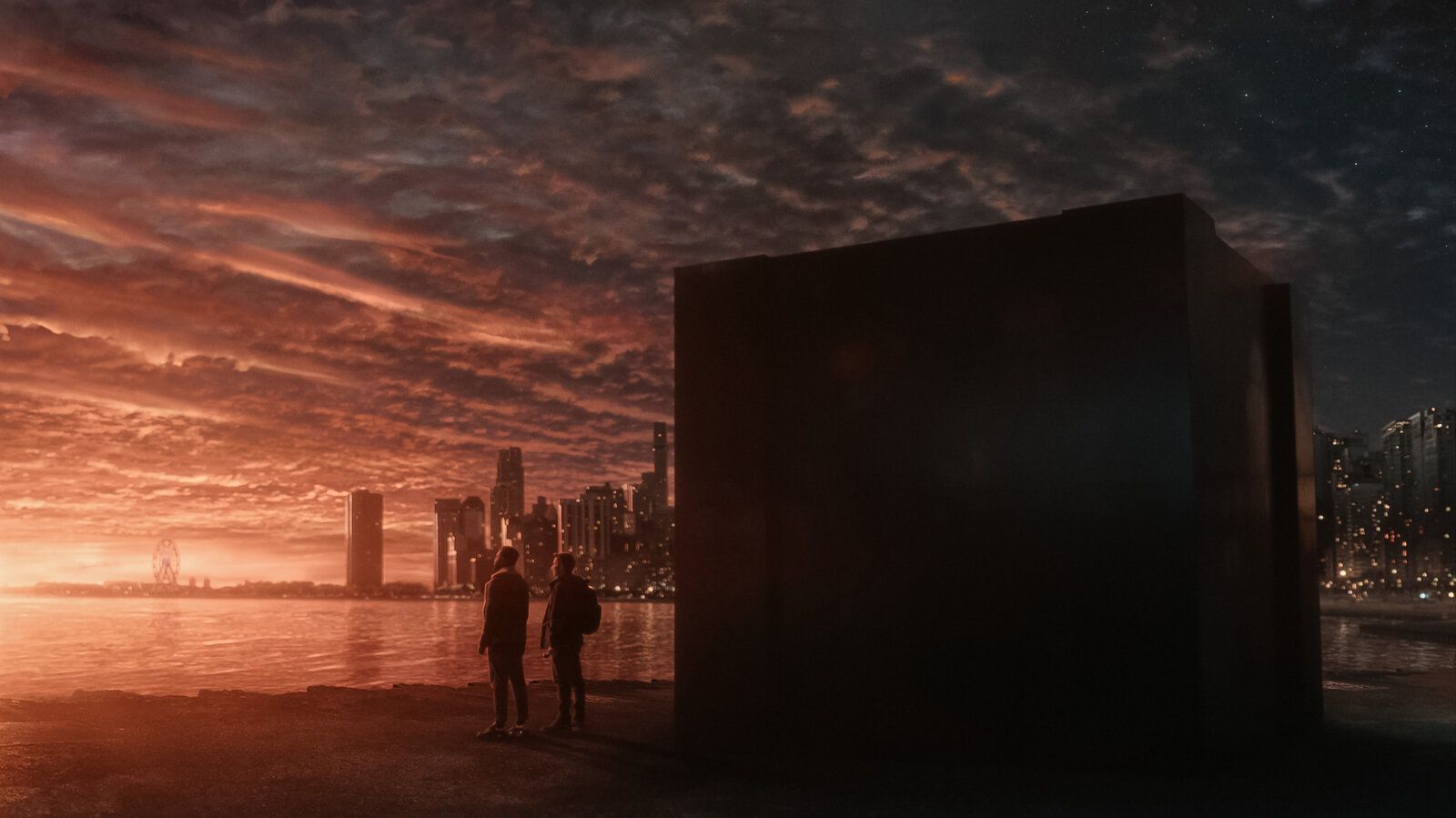
The multiverse has emerged as one of the most compelling and widely utilized narrative devices in contemporary science fiction and superhero storytelling. This concept, which explores the existence of parallel universes and alternate realities, has captivated audiences across multiple platforms, from streaming services to major theatrical releases. Shows like Loki and Rick and Morty, alongside blockbuster films such as Doctor Strange in the Multiverse of Madness and the Academy Award-winning Everything Everywhere All at Once, have leveraged this premise to examine the fundamental nature of identity. Through infinite variations of characters, these stories reveal a person’s best and worst qualities while highlighting the traits most central to their personality. The multiverse device also serves as an effective method for raising dramatic stakes, enabling storytellers to explore scenarios where characters face genuine mortal peril, knowing that doppelgängers from other realities could potentially fill their roles, and entire worlds can be destroyed without ending the narrative entirely.
For fans eagerly anticipating the next major multiverse adventure, Avengers: Doomsday promises to deliver another blockbuster experience when it arrives. However, before that highly anticipated Marvel release, viewers should turn their attention to one of the most thoughtful and intellectually engaging multiverse shows currently available on streaming platforms. Apple TV’s acclaimed science fiction thriller is set to return in just three weeks, offering audiences a fresh exploration of parallel realities that distinguishes itself through its cerebral approach to the genre.
The Evolution of Multiverse Storytelling in Modern Entertainment
The multiverse concept has roots stretching back decades in science fiction literature and comic books, but its mainstream popularity has exploded in recent years. The theoretical physics concept of multiple universes existing simultaneously has provided fertile ground for storytellers to explore philosophical questions about fate, choice, and personal identity. What makes Apple TV’s approach particularly noteworthy is its commitment to treating these complex themes with intellectual rigor rather than simply using the multiverse as a convenient plot mechanism for action sequences and visual spectacles. The streaming platform has consistently demonstrated a willingness to invest in ambitious science fiction projects that prioritize narrative depth and character development.
Apple TV has carved out a distinctive niche in the competitive streaming landscape by backing high-concept science fiction series that might struggle to find homes elsewhere. From the critically acclaimed Severance to the post-apocalyptic drama See and the space race alternate history series For All Mankind, the platform has shown remarkable commitment to the genre. This investment has paid dividends both in terms of critical recognition and subscriber engagement, establishing Apple TV as a destination for viewers seeking thoughtful, prestige science fiction content.
Why This Return Matters for Science Fiction Fans
The return of this acclaimed series comes at a particularly opportune moment for the science fiction genre. With audiences increasingly sophisticated in their understanding of multiverse mechanics, thanks to years of exposure through various media, shows must now work harder to offer fresh perspectives on familiar concepts. The series has distinguished itself by focusing on the emotional and psychological implications of encountering alternate versions of oneself, rather than simply using these encounters as opportunities for action-packed confrontations. This character-driven approach has resonated strongly with viewers who appreciate science fiction that challenges them intellectually while still delivering satisfying entertainment.
The three-week countdown to the show’s return has already generated significant buzz among dedicated fans and critics alike. Social media discussions have intensified as viewers revisit previous seasons and speculate about upcoming plot developments. The series has cultivated a passionate fanbase that appreciates its willingness to grapple with complex questions about determinism, free will, and the nature of consciousness. As the multiverse trend shows no signs of slowing down in popular culture, this Apple TV series stands as a prime example of how the concept can be utilized to create meaningful, thought-provoking entertainment that transcends simple spectacle.
Expert Opinion: The continued success of multiverse narratives reflects a broader cultural fascination with questions of identity and alternate possibilities in an increasingly uncertain world. Apple TV’s strategic investment in cerebral science fiction positions the platform favorably against competitors, and the return of this series could further cement its reputation as the premier destination for intelligent genre programming. Expect this trend toward philosophically rich multiverse storytelling to influence upcoming productions across all major streaming platforms.