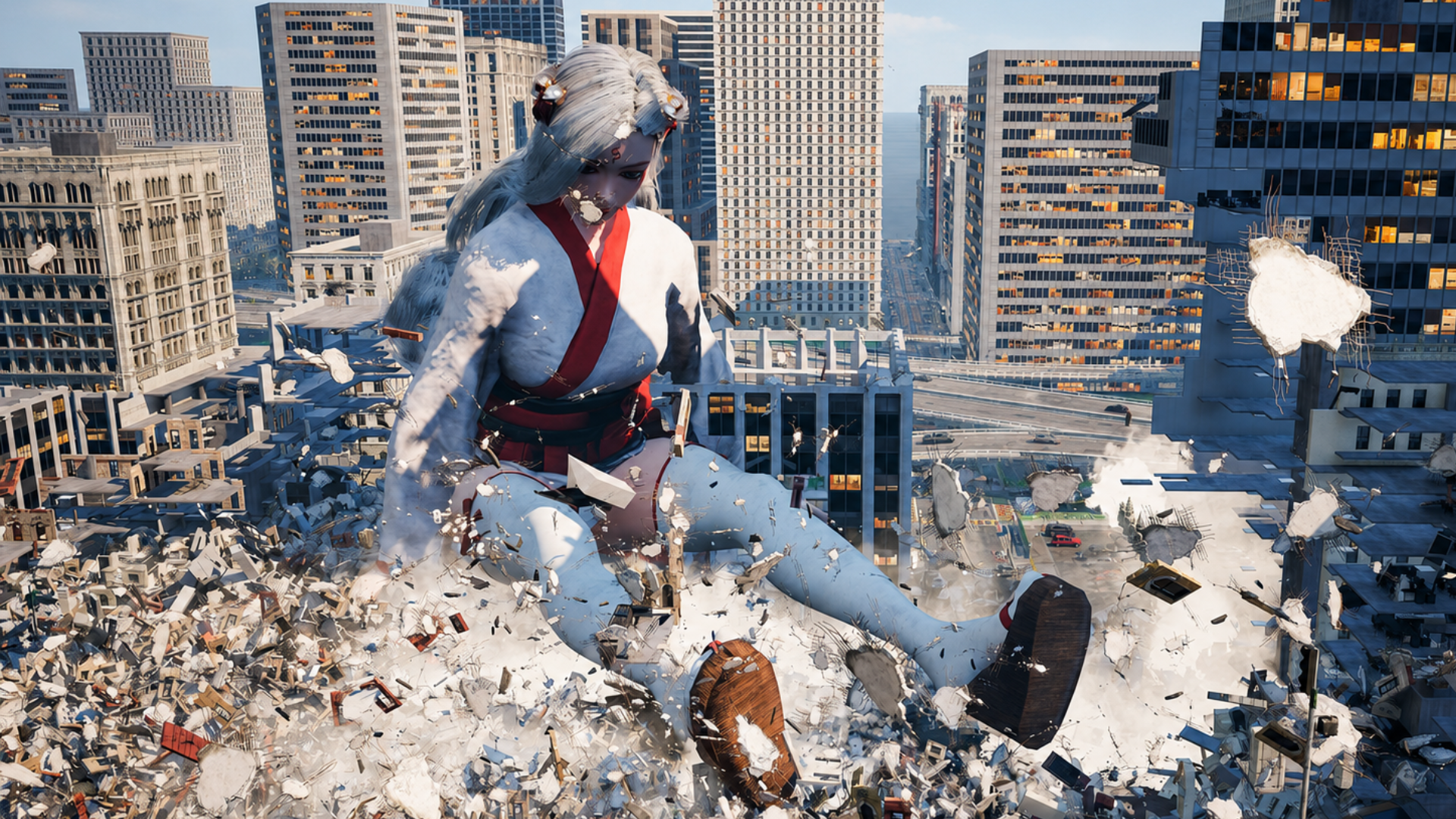
A peculiar legal battle is brewing in the gaming industry as Giantess Playground, a niche destruction sandbox game available on Steam, has become the subject of legal action over allegations of an unauthorized release. The game, which allows players to either stomp through a cityscape as a towering giant woman or scamper for survival as a tiny citizen, has found itself at the center of controversy despite its seemingly innocuous premise. According to its Steam description, players can “crush buildings, dodge feet, play hide-and-seek in a sandbox map with Giantess girls” — a concept that appeals to a specific community of gaming enthusiasts who enjoy chaos-driven sandbox experiences.
Understanding the Niche Appeal of Destruction Sandbox Games
Destruction sandbox games have carved out a dedicated following in the gaming community over the years. These titles allow players to unleash chaos without consequences, providing a stress-relieving experience that many find therapeutic after long days. Games in this genre range from realistic physics simulators to more fantastical scenarios involving kaiju-style monsters or, in this case, giant humanoid characters. The appeal lies in the simple satisfaction of watching structures crumble and environments react to player actions. Giantess Playground taps into this market while also catering to a specific subculture that has existed on the internet for decades, combining destruction mechanics with size-difference fantasy elements.
The Legal Complications Surrounding Unauthorized Releases
While specific details of the legal action remain somewhat unclear, unauthorized releases in the gaming industry typically involve disputes over intellectual property rights, breach of contract between developers and publishers, or the premature release of content without proper licensing agreements. Such cases have become increasingly common as independent game development has exploded in popularity, with platforms like Steam making it easier than ever for small studios to publish their work directly to consumers. However, this accessibility has also created complications when partnerships dissolve, agreements are disputed, or when multiple parties claim ownership over game assets or concepts. Legal experts note that these disputes can be particularly messy in the indie gaming space, where contracts may be less formalized and ownership rights less clearly defined than in major studio productions.
Historical Precedents in Gaming Legal Battles
The gaming industry has seen numerous high-profile legal battles over unauthorized releases and intellectual property disputes throughout its history. From the infamous dispute between Bethesda and Mojang over the word “Scrolls” to more recent conflicts involving asset theft and unauthorized use of game engines, these cases highlight the complex legal landscape that developers must navigate. For smaller independent titles like Giantess Playground, such legal challenges can be particularly devastating, potentially resulting in the game being removed from storefronts, significant financial penalties, or lengthy court battles that drain resources from small development teams. The outcome of this particular case could have implications for how similar niche games handle licensing, partnerships, and release procedures in the future.
What This Means for Players and the Gaming Community
For players who have already purchased or are interested in Giantess Playground, the legal situation creates uncertainty about the game’s future availability and development. Depending on how the dispute is resolved, the title could face removal from Steam, undergo significant changes, or continue operating normally if the allegations are dismissed. The gaming community often finds itself caught in the middle of such disputes, having invested money and time into products that may become unavailable or unsupported. This situation serves as a reminder of the inherent risks in digital game purchases, particularly for titles from smaller developers who may be more vulnerable to legal and financial challenges. As the case progresses, affected players and industry observers will be watching closely to see how the situation unfolds and what precedents it may set for similar disputes in the future.
Expert Opinion: This case underscores the growing need for clearer contractual frameworks in independent game development, where informal agreements often lead to costly disputes. As the indie gaming sector continues to expand, we can expect to see more such legal battles emerge, potentially prompting platforms like Steam to implement stricter verification processes for game ownership and licensing before titles are approved for release.