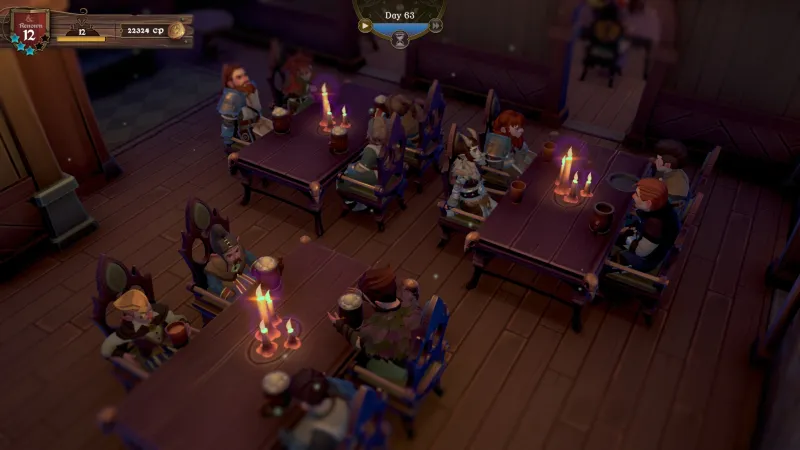
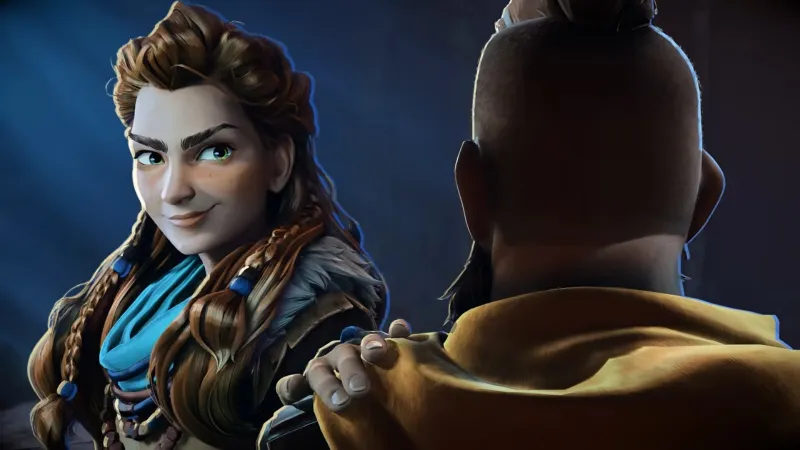
Sony’s PlayStation division is reportedly taking dramatic action with Horizon Hunters Gathering, a live-service spin-off of the popular Horizon franchise, following disappointing feedback from private playtesting sessions earlier this year. The game, which was announced to mixed reactions from fans, may undergo a complete transformation that would strip away its live-service elements entirely in favor of a more traditional cooperative multiplayer experience with a dedicated story mode and significantly reduced scope.
The news comes from veteran video game journalist Jason Schreier of Bloomberg, who has built a reputation for accurate insider reporting on the gaming industry. According to anonymous sources familiar with the project’s development, the team behind Hunters Gathering now faces a critical deadline through December to demonstrate meaningful progress to PlayStation executives on their revised vision. Several developers have already been reassigned to other projects, suggesting that Sony is hedging its bets while the remaining team attempts to salvage the title.
A Pattern of Live-Service Struggles
The reported overhaul of Hunters Gathering fits into a broader and increasingly troubling pattern for PlayStation’s live-service ambitions. Throughout the 2020s, the Japanese gaming giant has repeatedly attempted to establish a foothold in the lucrative online multiplayer market, only to face setback after setback. Multiplayer spin-offs based on some of Sony’s most beloved franchises, including God of War, Spider-Man, and The Last of Us, were all cancelled before they could even be properly revealed to the public. These cancellations represent hundreds of millions of dollars in abandoned development costs and years of work that never reached players.
Perhaps most emblematic of PlayStation’s live-service woes was the spectacular failure of Concord, a hero shooter that was shut down less than two weeks after its commercial launch in 2024. The game reportedly cost Sony over $200 million to develop across eight years, making its rapid collapse one of the most expensive failures in gaming history. Meanwhile, Destiny 2, developed by Bungie following Sony’s acquisition of the studio for $3.6 billion, received its final major update this year as the company pivots away from the live-service model that once seemed like the future of the franchise.
The Horizon Franchise at a Crossroads
The Horizon series has been one of PlayStation’s most successful new intellectual properties of the past decade. Horizon Zero Dawn launched in 2017 to critical acclaim, introducing players to a post-apocalyptic world where humanity has regressed to tribal societies while mechanical creatures roam landscapes reclaimed by nature. The sequel, Horizon Forbidden West, released in 2022 and expanded the scope and ambition of the original while continuing protagonist Aloy’s journey. Both games were celebrated for their compelling narratives, stunning visuals, and innovative gameplay mechanics that combined strategic combat with exploration and discovery.
When Horizon Hunters Gathering was announced earlier this year, many fans expressed concern about the departure from the formula that made the series successful. The spin-off featured a completely different art style and gameplay approach, trading the cinematic single-player adventure for a multiplayer-focused live-service experience. While the game retained worldbuilding elements from Zero Dawn and Forbidden West, the tonal and mechanical shifts seemed to alienate the existing fanbase rather than attract new players to the franchise.
Implications for the Future of Horizon
Perhaps most concerning for dedicated Horizon fans is the news that the next mainline single-player entry remains years away from completion. According to Bloomberg’s reporting, the majority of the Horizon Forbidden West development team has been assigned to work on Hunters Gathering rather than progressing the main storyline. Only a small team has been planning the next chapter of Aloy’s adventure, meaning players eager to continue the narrative established in the first two games will face a lengthy wait. PlayStation has not officially commented on these reports, declining to confirm or deny the details of Schreier’s article.
The situation reflects the ongoing tension within the gaming industry between the proven success of premium single-player experiences and the tantalizing revenue potential of live-service games. While titles like Fortnite, Genshin Impact, and Apex Legends have demonstrated that live-service models can generate billions in ongoing revenue, the market is increasingly crowded and unforgiving. Players have limited time and money to invest in ongoing multiplayer experiences, making it extraordinarily difficult for new entrants to gain traction against established competitors with years of content and dedicated communities.
Expert Opinion: PlayStation’s continued struggles with live-service games suggest the company may need to fundamentally reconsider its strategy in this space. Rather than attempting to transform beloved single-player franchises into multiplayer experiences, Sony might find greater success by leveraging its undisputed strength in narrative-driven games while exploring more modest cooperative additions. The December deadline for Hunters Gathering will likely determine whether PlayStation continues pursuing major live-service initiatives or finally accepts that its competitive advantage lies elsewhere in the gaming landscape.