The landmark acquisition of Electronic Arts by a consortium led by Saudi Arabia’s Public Investment Fund for approximately $55 billion has sparked significant internal turmoil at one of the world’s largest video game publishers. While EA’s leadership has repeatedly assured employees that the company’s culture and creative freedom will remain intact, anonymous accounts from staff members paint a far more concerning picture. Multiple employees speaking to Game Developer have described widespread anxiety about job security, inevitable layoffs, and the moral implications of their new ownership structure, with some characterizing the mood at the company as one of pervasive cynicism.
The deal represents one of the largest acquisitions in gaming industry history, surpassing Microsoft’s $69 billion purchase of Activision Blizzard in 2023. Saudi Arabia’s sovereign wealth fund, the Public Investment Fund, has been aggressively expanding its presence in the gaming sector as part of Crown Prince Mohammed bin Salman’s Vision 2030 initiative to diversify the kingdom’s economy away from oil dependency. The fund has previously invested billions in companies like Nintendo, Capcom, and Nexon, and fully owns the ESL esports organization. However, this marks the PIF’s first outright acquisition of a major Western game publisher.
Dismissive Leadership Response Fuels Employee Frustration
In an attempt to address employee concerns, EA organized a company-wide meeting in autumn 2025, shortly after news of the potential acquisition became public. Staff members used the forum to voice their worries about how the deal might affect both corporate culture and job security. At that point, many employees were unaware that EA would take on approximately $20 billion in debt to finalize the transaction. According to two sources cited by Game Developer, the meeting concluded on a particularly sour note when a senior executive from EA’s lifestyle division allegedly forgot that microphones were still active and muttered “little babies” in apparent reference to employees who had expressed concerns. While the exact context of the remark remains unclear, it did nothing to calm already frayed nerves within the organization.
The incident highlighted what many employees describe as a growing disconnect between EA’s executive leadership and its workforce. During another meeting, a company executive reportedly joked about needing to buy a new horse for their child because it was the Year of the Horse in the Chinese calendar. The comment landed poorly with employees already anxious about their financial futures in an industry plagued by mass layoffs. “Some of us are struggling to make ends meet. Some have lost their jobs with no prospects of finding another one. I bet most of us don’t even have a single pony,” one employee remarked about the incident. Another source characterized the leadership as “completely disconnected from the reality of regular employees.”
Massive Debt Load Raises Specter of Job Cuts
The $20 billion debt burden looming over the newly private EA has become a central concern for employees at all levels. Industry analysts note that leveraged buyouts of this magnitude typically lead to significant cost-cutting measures as companies work to service their debt obligations. EA’s leadership has stated that the acquisition will not result in “immediate” layoffs, but many employees interpret this carefully worded assurance as a signal that cuts are merely being delayed rather than avoided entirely. “It’s hard to imagine that underperforming teams or games won’t be dissolved or sold off,” one employee predicted. The gaming industry has seen unprecedented layoffs over the past two years, with major publishers including Microsoft, Sony, and Embracer Group eliminating thousands of positions.
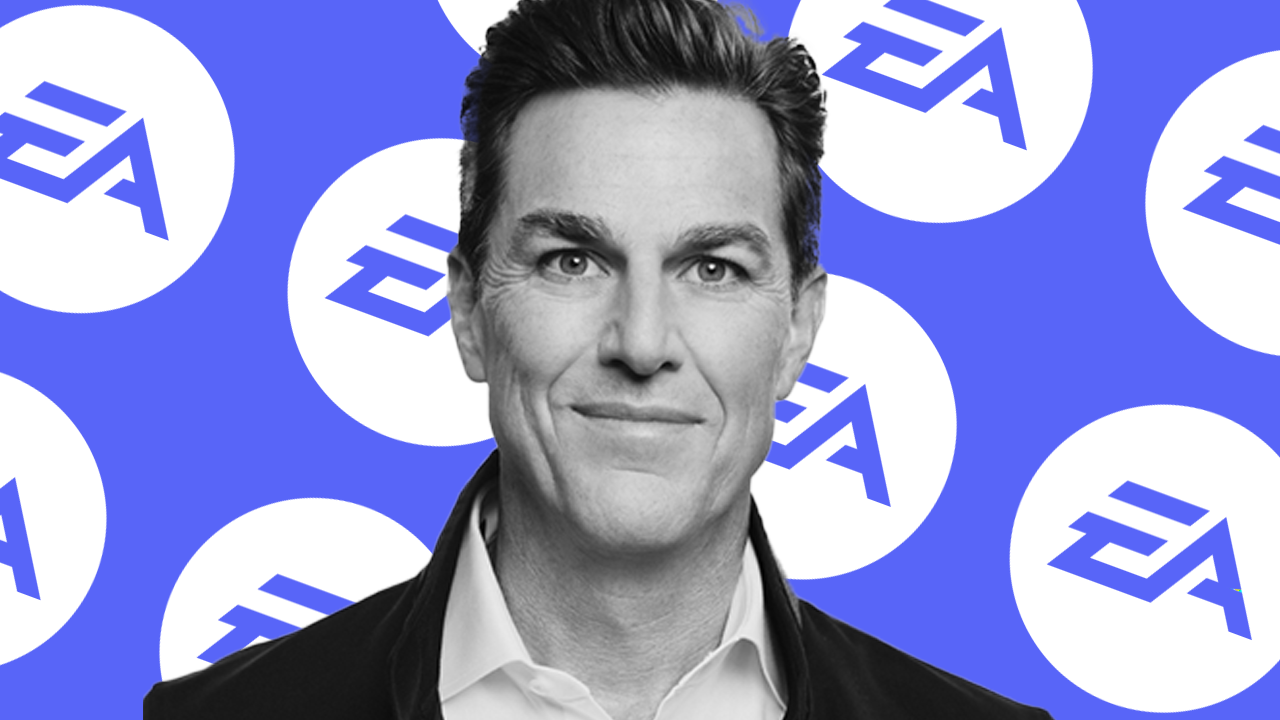
Employee skepticism about job security is further fueled by recent history at EA itself. The company laid off the development team behind Battlefield 6 even as the franchise generated strong financial results. Meanwhile, CEO Andrew Wilson reportedly received a bonus of $38.7 million tied to those same positive outcomes. This stark contrast between worker vulnerability and executive compensation has contributed to what employees describe as a pervasive sense of cynicism throughout the organization. The pattern mirrors broader trends in the technology sector, where record profits and stock buybacks have often coincided with significant workforce reductions.
Ethical Concerns and Cultural Implications
Beyond economic anxieties, many EA employees have expressed moral discomfort with the company’s new ownership. “I feel dirty,” one employee told reporters regarding the Saudi-controlled acquisition. Another source said it was “difficult to feel good” about working under the new ownership structure. Saudi Arabia’s human rights record, including its treatment of LGBTQ+ individuals and restrictions on women’s rights, has made the PIF’s gaming investments controversial. Critics have accused the kingdom of using high-profile entertainment investments as a form of “sportswashing” to improve its international image.
These concerns have been amplified by recent changes to EA’s public-facing materials. Players of The Sims 4, a franchise celebrated for its inclusive character creation and relationship options, discovered that EA’s official website had been updated to remove references to Pride Month initiatives, including the “It Gets Better” campaign and related thematic pages for The Sims. EA declined to comment when contacted about these changes. The Sims franchise has long been a leader in LGBTQ+ representation in gaming, allowing same-sex relationships since its original 2000 release—a feature that was groundbreaking at the time. The apparent removal of Pride-related content has sparked concern among both employees and the game’s dedicated community about whether the franchise’s inclusive values will survive under new ownership, despite leadership assurances to the contrary.
Expert Opinion: This acquisition represents a critical inflection point not just for EA, but for the entire Western gaming industry’s relationship with sovereign wealth fund investment. The combination of massive debt obligations and ownership by a state entity with documented human rights concerns creates unprecedented pressure on creative teams and corporate culture. Industry observers should watch closely how EA handles its inclusive franchises like The Sims over the next 12-18 months—any significant rollback of LGBTQ+ content would signal that financial considerations have definitively trumped the company’s stated values.