The year 2001 stands as one of the most transformative periods in video game history, a pivotal moment when multiple gaming platforms competed for dominance and developers pushed creative boundaries like never before. Players across the globe were immersed in experiences on the newly launched GameCube, PlayStation 2, Xbox, Dreamcast, PC, and Game Boy Advance, often unaware that the titles they were enjoying would become foundational pillars of their respective genres. This remarkable year delivered innovations that would shape game design philosophies for decades to come, establishing templates that developers still reference and build upon today.
The gaming landscape of 2001 was uniquely positioned for revolution. The sixth generation of consoles had just begun, bringing unprecedented processing power that allowed developers to realize visions previously impossible. The PlayStation 2 had launched the previous year and was hitting its stride, while Microsoft entered the console market with the Xbox, and Nintendo introduced the GameCube. This intense competition drove innovation as companies sought exclusive titles that would define their platforms and attract loyal audiences.
Halo: Combat Evolved Revolutionized Console Shooters
Perhaps no game from 2001 had a more profound impact on its genre than Halo: Combat Evolved, which launched alongside the original Xbox in November. Developed by Bungie, this first-person shooter demonstrated that the genre could thrive on consoles with the same intensity and precision previously reserved for PC gaming. The game introduced regenerating health shields, a revolutionary mechanic that eliminated tedious health pack hunting and fundamentally changed how shooters approached player survival. The two-weapon limit forced strategic thinking, while the seamless integration of vehicle combat created dynamic battlefield experiences. Halo’s influence extends to virtually every major shooter released since, from Call of Duty to Destiny.
The game also pioneered split-screen multiplayer experiences that defined social gaming for an entire generation. Before online gaming became ubiquitous, Halo LAN parties became cultural phenomena, with players connecting multiple Xbox consoles for massive multiplayer battles. This social aspect helped establish gaming as a communal activity and laid groundwork for the competitive esports scene that would eventually emerge.
Grand Theft Auto III Created the Open-World Blueprint
Rockstar Games released Grand Theft Auto III in October 2001, and the gaming industry was never the same. While open-world games existed before, GTA III was the first to create a fully realized 3D urban environment where players could explore freely, engage in missions at their own pace, and interact with a living, breathing city. Liberty City became the template for countless open-world games that followed, from Saints Row to Sleeping Dogs to Rockstar’s own subsequent masterpieces. The game’s controversial content sparked debates about violence in video games that continue today, but its technical and design achievements were undeniable.
The freedom GTA III offered players was revolutionary. Rather than following a linear path, gamers could steal cars, explore neighborhoods, discover hidden secrets, or simply cause chaos. This sandbox approach to game design influenced genres far beyond action games, with role-playing games, survival games, and even racing games adopting open-world structures. The title sold over 14 million copies and established a franchise that would generate billions in revenue.
Other Genre-Defining Titles of 2001
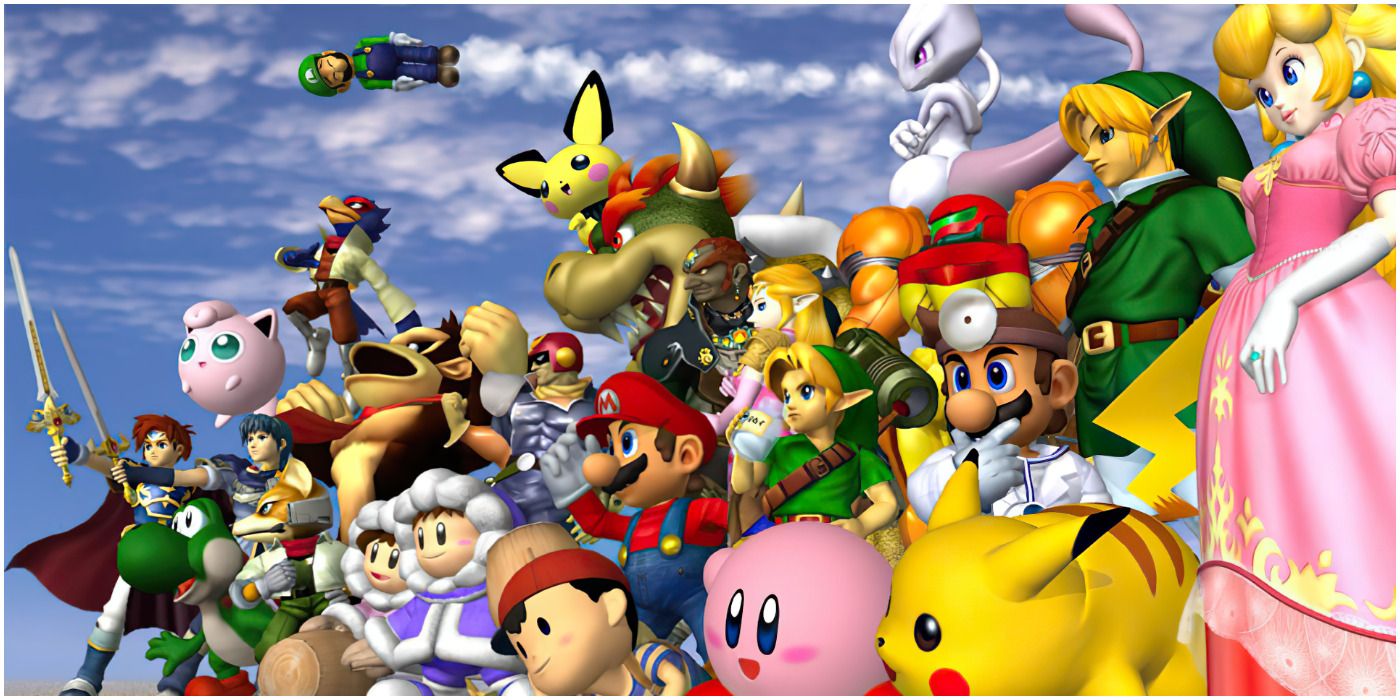
Beyond these landmark titles, 2001 delivered numerous other genre-defining experiences. Super Smash Bros. Melee perfected the platform fighter formula with mechanics so precise that competitive players still prefer it over newer entries. Max Payne introduced bullet-time to action games, creating cinematic gunfights that felt pulled from John Woo films. Devil May Cry established the stylish action genre, demanding precise timing and rewarding creative combat approaches. Silent Hill 2 elevated survival horror into psychological art, exploring themes of grief and guilt with unprecedented maturity. Metal Gear Solid 2 pushed narrative boundaries while refining stealth gameplay mechanics. Each of these titles left indelible marks on their respective genres, proving that 2001 was truly a watershed moment for interactive entertainment.
The legacy of 2001’s games extends far beyond nostalgia. Modern developers consistently cite these titles as primary influences, and many mechanics introduced that year remain industry standards. The competitive scenes around games like Melee and Halo continue thriving over two decades later, testament to the timeless quality of their design. As gaming continues evolving, the innovations of 2001 serve as foundational pillars upon which the entire medium continues to build.
Expert Opinion: The convergence of powerful new hardware and fierce platform competition in 2001 created perfect conditions for genre-defining innovation. These titles didn’t just establish new standards—they fundamentally redefined player expectations for interactivity, freedom, and narrative depth. Future historians will likely view 2001 as the year modern gaming truly began, when the medium matured from entertainment novelty to legitimate cultural force.