Nintendo’s Splatoon series has always offered a unique twist on the competitive shooter genre, with its colorful ink-based combat and quirky squid-kid aesthetic captivating millions of players worldwide. However, for many gamers, the competitive multiplayer focus meant engagement would wane after just a few weeks. Enter Splatoon Raiders, a bold new direction that transforms the beloved franchise into a fully-fledged single-player looter shooter experience. This isn’t Nintendo’s first attempt at single-player Splatoon content—previous entries featured brief story campaigns—but it represents the first time the company has built an entire game around solo play, and the results suggest this approach should have been explored years ago.
Key Takeaways
- Splatoon Raiders transforms the competitive multiplayer formula into a dedicated single-player looter shooter with PvE combat against Salmonid enemies.
- Three distinct Tank types offer unique Gadget loadouts that can be customized with upgradeable parts for creative combat strategies.
- Stages run approximately ten minutes each, making the game ideal for quick sessions while still delivering substantial gameplay depth.
- Seasoned enemy variants with salt armor create genuinely challenging encounters that require careful target prioritization.
- Optional co-op raids with scaling difficulty exist, but the design clearly prioritizes the single-player campaign experience.
The looter shooter genre has exploded in popularity over the past decade, with titles like Destiny, Borderlands, and The Division proving that players have an insatiable appetite for combining shooting mechanics with RPG-style loot systems. Nintendo’s decision to apply this formula to Splatoon feels both surprising and inevitable. The franchise has always possessed tight shooting mechanics and satisfying movement systems, making it a natural fit for the addictive loop of defeating enemies, collecting gear, and incrementally improving your arsenal. Splatoon Raiders embraces this philosophy wholeheartedly, as evidenced by a quote found early in the game: “All that matters now is the loot!”
Familiar Splatoon Elements Reimagined for Solo Play
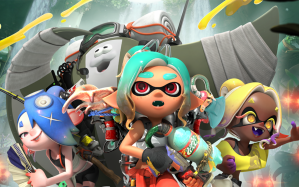
Splatoon Raiders cleverly repurposes many elements that longtime fans will recognize. The varied weapon types, the menacing Salmonid enemies, and even the main heroes—members of the band Deep Cut from Splatoon 3—all make appearances. However, these familiar components are rearranged into an entirely new experience. Instead of competing against other players to cover territory with ink, you’re engaging in PvE challenges against waves of Salmonid enemies. Some missions involve gathering Power Eggs on a timer, while others task you with collecting crystals to power drilling machines. The core objective remains consistent throughout: defeat enemies and collect valuable loot.
This shift in focus fundamentally changes how the game feels compared to its multiplayer predecessors. Your ink color now changes from stage to stage, along with your custom character accents, while enemies consistently spray their distinctive yellow-green goo. The competitive pressure of online matches is replaced with the satisfying rhythm of a well-designed PvE experience. Stages typically last around ten minutes—an ideal length for a casual looter shooter that encourages quick sessions while still offering substantial gameplay. Many players will find themselves lingering in stages even after completing objectives, simply because taking down Salmonids feels so satisfying.
Deep Customization Through Weapons and Gadgets
| Tank Type | Signature Gadget | Gadget Function |
|---|---|---|
| Speed | Booyarang | Spinning weapon that spreads ink in a small radius |
| Power | Splatellites | Orbiting projectiles around your character |
| Tactical | Shot Pot | Auto-turret for automated defense |
Returning players will find a familiar arsenal at their disposal, including shooters, splatanas, and dualies. However, some weapons that excelled in competitive play translate less effectively to this new format. The roller, for instance, was invaluable for maximizing ink coverage in traditional matches but proves less useful against hordes of aggressive enemies. The game naturally encourages experimentation through its loot system—weapons drop with numbered levels matching your current experience, gently pushing you toward trying new equipment when your preferred options fall behind the power curve.
The true innovation lies in the Gadget system. Players choose from three Tank types—Speed, Power, and Tactical—each offering distinct Gadget selections. The Speed tank provides access to the Booyarang, a spinning weapon that spreads ink in a small radius. The Power tank grants Splatellites that orbit around your character, while the Tactical tank offers the Shot Pot auto-turret. These Gadgets can be further customized with parts that unlock simple upgrades initially, such as enhanced power or increased area of effect. As you progress, more sophisticated modifications become available, like scorch damage for Splatellites or increased fall damage for the ground-striking Meteor Mitt.
The depth of customization leads to creative discoveries throughout the entire experience. One particularly effective strategy involves reducing Splatellite cooldowns to the point where they can be used almost continuously, creating such a large area of effect that they essentially lay down a track of swimmable ink while in squid form. This transforms a defensive tool into a mobility enhancement, allowing rapid traversal across battlefields without pausing to shoot a swimming path. Such emergent gameplay possibilities speak to the system’s thoughtful design and encourage players to experiment with different combinations.
Tough Enemies and Rewarding Progression Systems
The Salmonid enemies, mostly recognizable from previous Splatoon games, receive significant upgrades that make them genuinely threatening. Many appear in overpowered “Seasoned” forms, identifiable by thick salt coverings that dramatically increase their durability. The game demonstrates impressive creativity in arranging different enemy compositions across varied battlefields, with later stages becoming genuinely hectic. Managing threats and prioritizing targets becomes a harried thrill that maintains its excitement throughout the campaign, especially with the promise of valuable loot waiting at the end of each encounter.
For emergencies, players can equip Showstopper abilities paired to whichever Deep Cut member accompanies them on voyages. These powerful abilities recharge more slowly than Gadgets, filling with eggs from defeated enemies rather than operating on cooldowns. However, their lengthy wait times are justified by their devastating impact—Shiver’s ability summons a massive shark that cuts across the battlefield, capable of completely turning the tide of difficult encounters. The system does have some progression issues, however. Once Tanks or Showstoppers reach maximum level, any additional experience becomes wasted unless players switch to underpowered alternatives, creating an awkward tension between optimization and experimentation.
Splatoon Raiders includes optional multiplayer in the form of co-op raids with scaling difficulty, and these work well for players seeking social experiences. However, the game clearly prioritizes its single-player campaign, and this focused design philosophy benefits the overall experience. The Sampler Dungeons offer short trial stages that introduce new Gadgets while rewarding curiosity with bonus Skill Points, demonstrating Nintendo’s commitment to helping players discover the full depth of available options.
A Bold Pivot That Could Define the Series Going Forward
Splatoon Raiders represents a significant evolution for a franchise that has primarily defined itself through competitive multiplayer. The main Splatoon series has achieved substantial commercial success for Nintendo, indicating that the ink-splattering competitive formula resonates strongly with its audience. However, Raiders demonstrates that the franchise possesses flexibility previously unexplored, offering a single-player campaign far more satisfying than the brief story modes included in previous entries. The game proves that Splatoon’s core mechanics—the satisfying shooting, the unique ink-based movement, the charming aesthetic—translate beautifully to the looter shooter format.
The implications for Nintendo’s future strategy are intriguing. Rather than replacing the popular multiplayer titles, Splatoon Raiders could establish a new sub-series that coexists alongside traditional entries. This approach would allow Nintendo to serve different player preferences while expanding the franchise’s appeal to those who prefer solo experiences or lack consistent online access. The concept clearly has room to grow—more Gadgets, deeper customization systems, and expanded enemy variety could push future iterations even further. For now, Splatoon Raiders stands as compelling proof that Nintendo’s colorful shooter franchise was always destined to explore the addictive world of looting and shooting.
What This Means for Splatoon's Future
Nintendo has long struggled to retain Splatoon players beyond the initial competitive rush, with engagement typically dropping off after a few weeks. Splatoon Raiders directly addresses this by borrowing the addictive loop that made Destiny and Borderlands cultural phenomena—defeat enemies, grab loot, upgrade gear, repeat. The franchise’s tight shooting mechanics and fluid movement have always been its strengths, and they translate remarkably well to PvE scenarios.
The Gadget system represents the most significant design innovation here. By tying abilities to Tank selection and allowing deep customization through unlockable parts, Nintendo creates meaningful build variety that competitive Splatoon never offered. The emergent strategy of reducing Splatellite cooldowns to create swimmable ink tracks demonstrates the kind of player creativity these systems can foster.
Some rough edges remain in the progression structure. The inability to continue earning meaningful experience once Tanks or Showstoppers hit maximum level forces an awkward choice between playing optimally and exploring new options. This tension could frustrate completionists and min-maxers alike, representing an area where future updates or sequels could improve.
If Splatoon Raiders performs well commercially, expect Nintendo to pursue this direction more aggressively. The looter shooter market remains robust, and Nintendo has carved out a family-friendly niche that Borderlands and Destiny cannot occupy. Whether this becomes a parallel series or influences the mainline games remains to be seen.
Common Questions About Splatoon Raiders
Is Splatoon Raiders multiplayer or single-player?
Splatoon Raiders is primarily a single-player looter shooter, though it includes optional co-op raids with scaling difficulty for players who want social experiences. The game’s design clearly prioritizes the solo campaign over multiplayer content.
How long are missions in Splatoon Raiders?
Stages typically last around ten minutes, making the game well-suited for quick gaming sessions. Many players find themselves staying longer than necessary simply because combat against Salmonid enemies feels satisfying.
Which characters appear in Splatoon Raiders?
The main heroes are members of Deep Cut, the band from Splatoon 3. Shiver appears as a companion whose Showstopper ability summons a massive shark that sweeps across the battlefield during difficult encounters.
What are Seasoned enemies in Splatoon Raiders?
Seasoned enemies are overpowered Salmonid variants covered in thick salt armor that dramatically increases their durability. These tougher foes require careful target prioritization and make later stages genuinely challenging.
Expert Opinion: Splatoon Raiders represents a strategic masterstroke for Nintendo, demonstrating that their most innovative IPs can successfully branch into multiple genres without diluting brand identity. This looter shooter experiment could signal a broader Nintendo philosophy of leveraging established franchises across different gameplay formats, potentially opening doors for similar treatment of other properties. If post-launch support introduces seasonal content and expanded endgame systems, Raiders could evolve into a persistent live-service offering that keeps players engaged far longer than traditional Nintendo single-player experiences.