
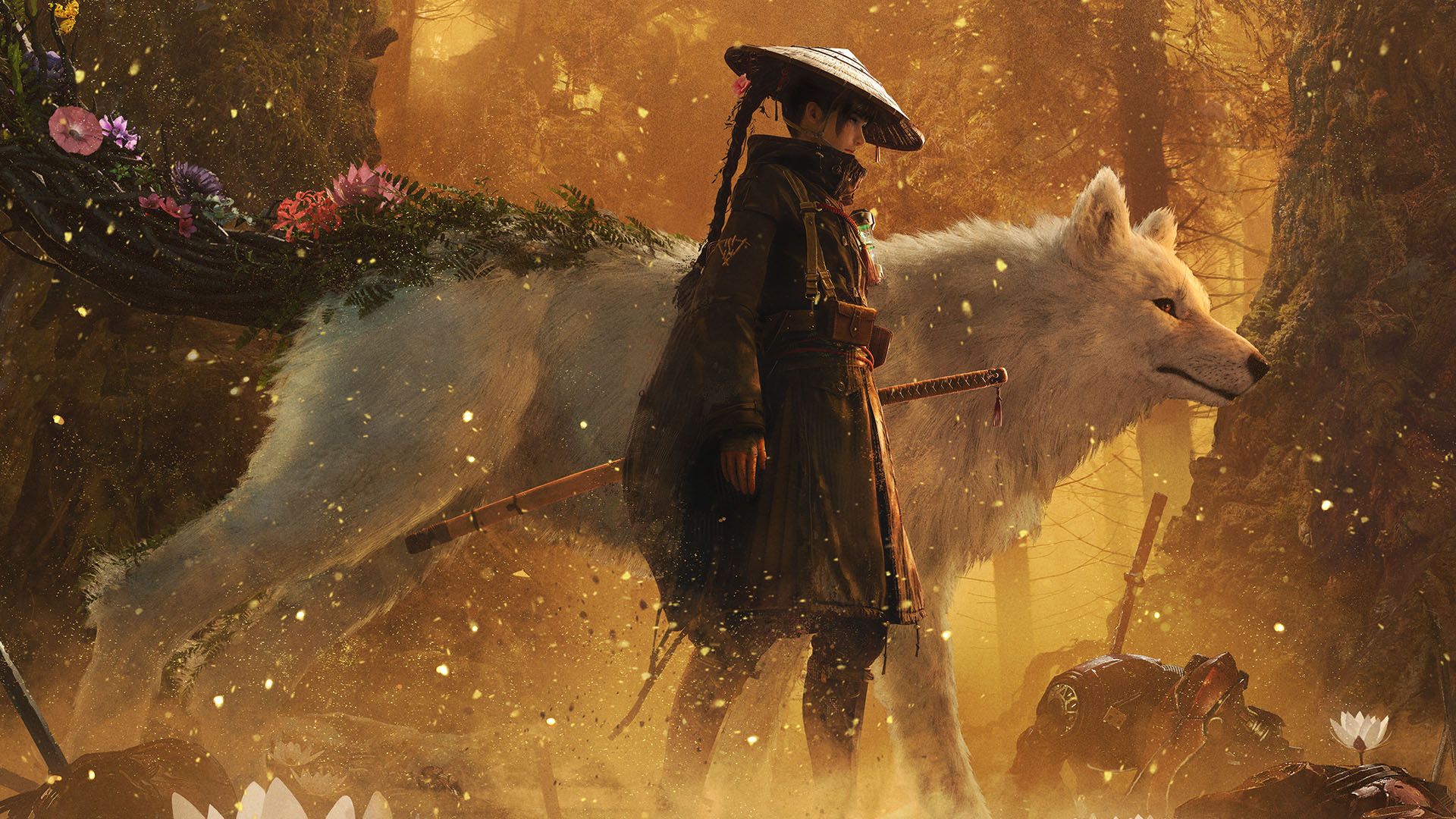
The gaming world is buzzing with anticipation as Beast of Reincarnation prepares to launch, inviting players to embark on an epic journey alongside protagonist Emma as she hunts down mythical creatures known as Nushi. This highly anticipated action role-playing game has captured the attention of gamers worldwide with its unique blend of challenging gameplay, deep customization options, and an intriguing narrative that promises to deliver a memorable gaming experience. As the release date approaches, players across the globe are eager to know exactly when they can dive into this mystical adventure.
Early impressions from gaming journalists who have experienced the initial segments of Beast of Reincarnation suggest a title that demands patience but rewards dedication. Jen Glennon shared her candid thoughts after her preview session: “Am I annoyed and a little embarrassed by my time with Beast of Reincarnation? Yes. Do I want to keep playing it? Also, emphatically, yes. There’s a robust learning curve, but I’m intrigued by the potential for customization and the story being set up here.” This sentiment reflects what many players can expect—a game that challenges conventional approaches while offering substantial depth for those willing to master its mechanics.
Global Release Times and Regional Availability
Beast of Reincarnation is scheduled for a simultaneous worldwide release, meaning players everywhere will gain access at the same moment regardless of their location. For those in North America, the game unlocks at 12:00 AM EST on launch day, which translates to 9:00 PM PST the previous evening for West Coast players. European gamers can expect access at 5:00 AM GMT, while those in Central European Time zones will see the game go live at 6:00 AM CET. Australian players in the AEST time zone can begin their adventure at 4:00 PM, making it an ideal afternoon release for the Oceanic region. Japanese and South Korean players will gain access at 2:00 PM JST and KST respectively, allowing for a full afternoon and evening of gameplay on launch day.
The decision to implement a simultaneous global release reflects the growing trend among game publishers to create unified launch experiences that prevent spoilers from spreading across time zones and allow the entire gaming community to discover content together. This approach has become increasingly popular following successful implementations by major studios over the past several years, as it generates concentrated social media buzz and streaming activity that benefits marketing efforts.
Understanding the Nushi and Japanese Mythological Influences
At the heart of Beast of Reincarnation lies the concept of Nushi, powerful mythical entities that serve as both the game’s primary antagonists and its most compelling mysteries. The term “Nushi” originates from Japanese folklore, where it traditionally refers to guardian spirits or masters of specific locations such as mountains, rivers, forests, or lakes. These beings are often depicted as ancient, powerful creatures that have accumulated spiritual energy over centuries, sometimes taking the form of massive animals or supernatural entities. By incorporating this rich mythological tradition, Beast of Reincarnation taps into a deep well of cultural storytelling that has captivated audiences for generations.
The game’s developers have reportedly spent years researching various Asian mythological traditions to create authentic and respectful representations of these supernatural beings. Each Nushi in the game possesses unique abilities, behavioral patterns, and weaknesses that players must study and exploit to succeed in combat. This design philosophy encourages observation and strategy over brute force, creating encounters that feel more like elaborate puzzle-boss battles than straightforward action sequences. The integration of reincarnation themes adds another layer of complexity, suggesting that Emma’s connection to these creatures may run deeper than a simple hunter-prey relationship.
Gameplay Mechanics and Customization Depth
Beast of Reincarnation distinguishes itself through its extensive customization systems, which allow players to tailor Emma’s abilities, equipment, and combat style to match their preferred playstyle. The game features multiple weapon types, each with distinct movesets and skill trees that can be developed throughout the adventure. Additionally, players can unlock and upgrade various supernatural abilities tied to the reincarnation mechanics, potentially allowing them to harness powers derived from defeated Nushi. This creates a compelling gameplay loop where each major victory expands the player’s tactical options for future encounters.
The steep learning curve mentioned by early reviewers appears to be an intentional design choice rather than a flaw, positioning Beast of Reincarnation within the challenging action RPG genre popularized by titles like Dark Souls and Monster Hunter. Players should expect to fail repeatedly against early Nushi encounters as they learn attack patterns, timing windows, and optimal strategies. However, the developers have reportedly implemented accessibility options and difficulty modifiers for those who prefer a more relaxed experience, ensuring the game remains approachable without compromising its core identity. With its blend of mythological storytelling, demanding combat, and deep progression systems, Beast of Reincarnation appears poised to make a significant impact on the action RPG landscape.
Expert Opinion: Beast of Reincarnation represents an ambitious fusion of Japanese mythological themes with modern action RPG mechanics that could establish a new franchise if executed well. The simultaneous global release strategy indicates publisher confidence in the title’s international appeal, while the challenging gameplay suggests a focus on cultivating a dedicated core audience rather than chasing mass-market accessibility. Early reception will likely be polarizing due to the steep learning curve, but games that demand mastery often develop the most passionate and long-lasting communities.