
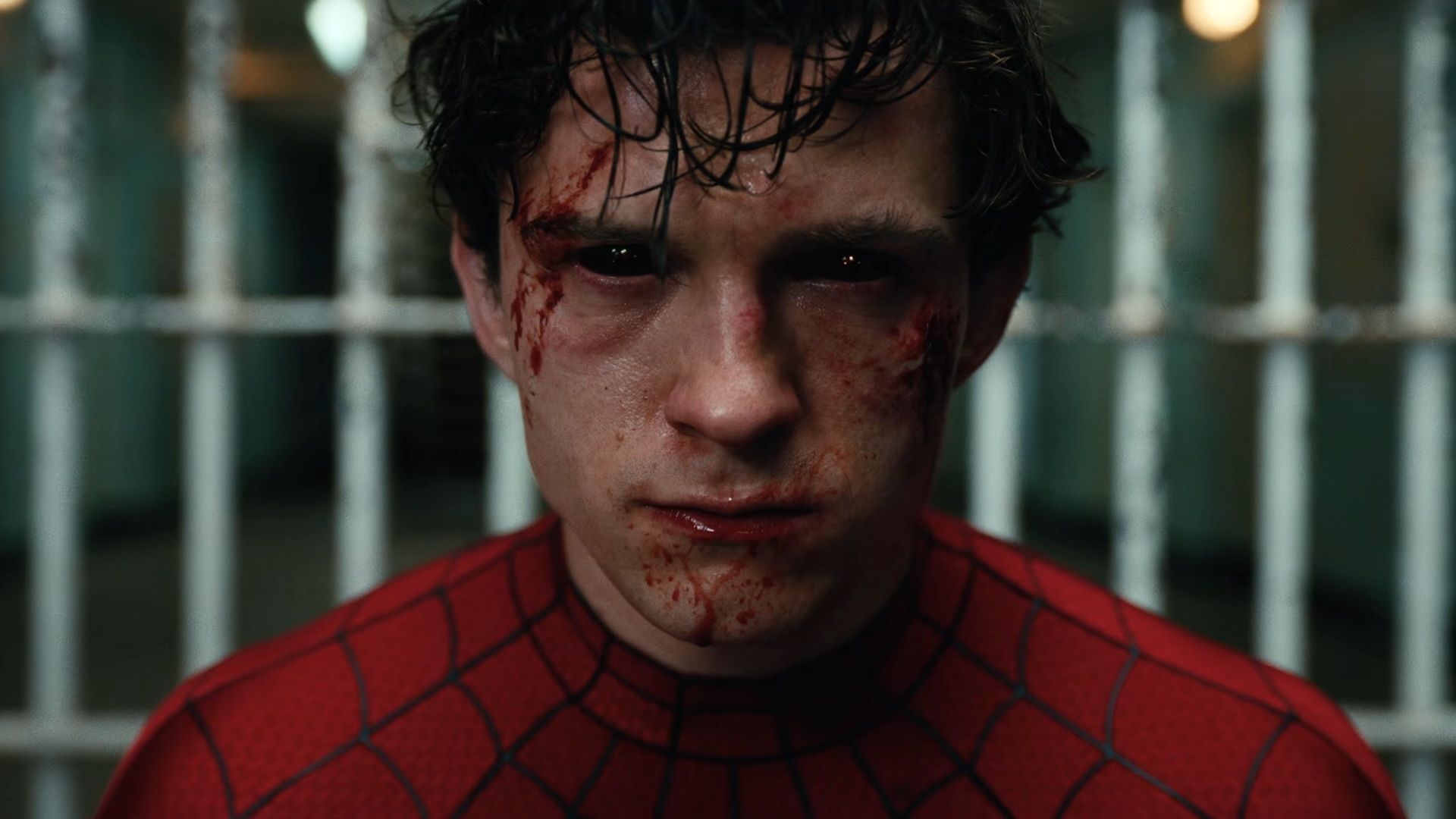
As a lifelong Spider-Man reader, I’ve spent more than my share of time on comic book discussion boards. Sooner or later, someone on those forums always asks one of the traditional questions: If you had the chance, what characters would you bring back to life? For many dedicated fans of the web-slinger, one name consistently rises to the top of these conversations—Captain Jean DeWolff, a character whose tragic death in the 1980s remains one of the most impactful moments in Spider-Man history. Now, with the release of Spider-Man: Brand New Day, eagle-eyed viewers have spotted what appears to be a significant Easter egg referencing this beloved character, sending longtime fans into a frenzy of nostalgia and speculation.
The appearance of Jean DeWolff references in modern Spider-Man media represents a deep cut that rewards readers who have followed Peter Parker’s adventures for decades. Unlike more famous supporting characters like Mary Jane Watson or J. Jonah Jameson, DeWolff occupies a special place in Spider-Man lore—a character whose death fundamentally changed how comic book storytelling approached mortality and consequence. Her inclusion, even as an Easter egg, demonstrates the creative team’s commitment to honoring the rich tapestry of Spider-Man’s publication history.
The Origin and Legacy of Captain Jean DeWolff
Captain Jean DeWolff first appeared in Marvel Team-Up #48 in 1976, created by writer Bill Mantlo and artist Sal Buscema. She was introduced as a New York Police Department captain who worked closely with Spider-Man, developing a professional relationship built on mutual respect and trust. What made DeWolff unique was her vintage aesthetic—she drove a 1930s roadster, wore period-appropriate clothing, and had a fascination with the golden age of detective work. This distinctive characterization set her apart from other law enforcement figures in Marvel Comics and made her an instant fan favorite.
Throughout the late 1970s and early 1980s, DeWolff became one of Spider-Man’s most trusted allies in law enforcement. Their partnership represented something rare in superhero comics of that era: a genuine, platonic working relationship between a costumed vigilante and a police officer. She appeared in numerous issues, helping Spider-Man navigate cases that required official police cooperation and serving as a bridge between his world and legitimate law enforcement. Her presence added a layer of realism to Spider-Man’s crime-fighting activities and demonstrated that not all cops viewed him as a menace, despite J. Jonah Jameson’s constant editorials.
The Death of Jean DeWolff: A Landmark Spider-Man Story
Everything changed in 1985 when writer Peter David penned “The Death of Jean DeWolff,” a four-issue storyline running through Peter Parker, The Spectacular Spider-Man #107-110. The story opened with a shocking twist—DeWolff was murdered in the very first pages, killed by a mysterious vigilante known as the Sin-Eater. This wasn’t a dramatic death scene with final words or heroic sacrifice; it was sudden, brutal, and realistic in a way that comic book deaths rarely were at the time. Spider-Man learned of her death after the fact, robbing both him and readers of any chance for closure.
The storyline is widely regarded as one of the greatest Spider-Man stories ever written and marked a turning point for the character and the medium. Peter David’s narrative explored themes of justice, vengeance, and the thin line between heroism and vigilantism. Spider-Man’s grief and rage over DeWolff’s death pushed him to the brink, nearly causing him to kill the Sin-Eater before Daredevil intervened. The story also featured the introduction of reporter Eddie Brock, who would later become the villain Venom—making this arc doubly significant in Spider-Man mythology. The emotional weight of losing Jean DeWolff demonstrated that supporting characters could have lasting impacts on superhero narratives.
Why This Easter Egg Matters to Fans
The reference to Jean DeWolff in Spider-Man: Brand New Day serves as a love letter to longtime readers who remember the character’s importance. In an era where superhero media often focuses on the most commercially recognizable characters, acknowledging DeWolff shows a deep respect for Spider-Man’s comic book roots. It suggests that the creative team understands what makes Spider-Man stories resonate—not just the action and quips, but the relationships Peter Parker builds and the losses he suffers along the way. For fans who grew up reading those 1980s issues, seeing her name referenced brings back powerful memories of a story that helped define mature superhero storytelling.
The inclusion also raises intriguing questions about what other deep-cut references might appear in future Spider-Man projects. Could we eventually see a full adaptation of “The Death of Jean DeWolff”? The story’s themes of police corruption, vigilante justice, and moral complexity feel remarkably relevant to contemporary audiences. Whether this Easter egg is simply a nod to the past or a hint of things to come, it has successfully reignited conversations about one of Spider-Man’s most underrated supporting characters and the groundbreaking story that made her death matter.
Expert Opinion: The Jean DeWolff Easter egg represents a growing trend in superhero adaptations toward rewarding dedicated fans with meaningful deep cuts rather than surface-level references. As streaming platforms compete for viewer engagement, expect more projects to mine decades of comic book history for characters and storylines that resonate emotionally rather than simply visually. This approach not only satisfies longtime readers but also encourages new fans to explore the rich source material that inspired these adaptations.