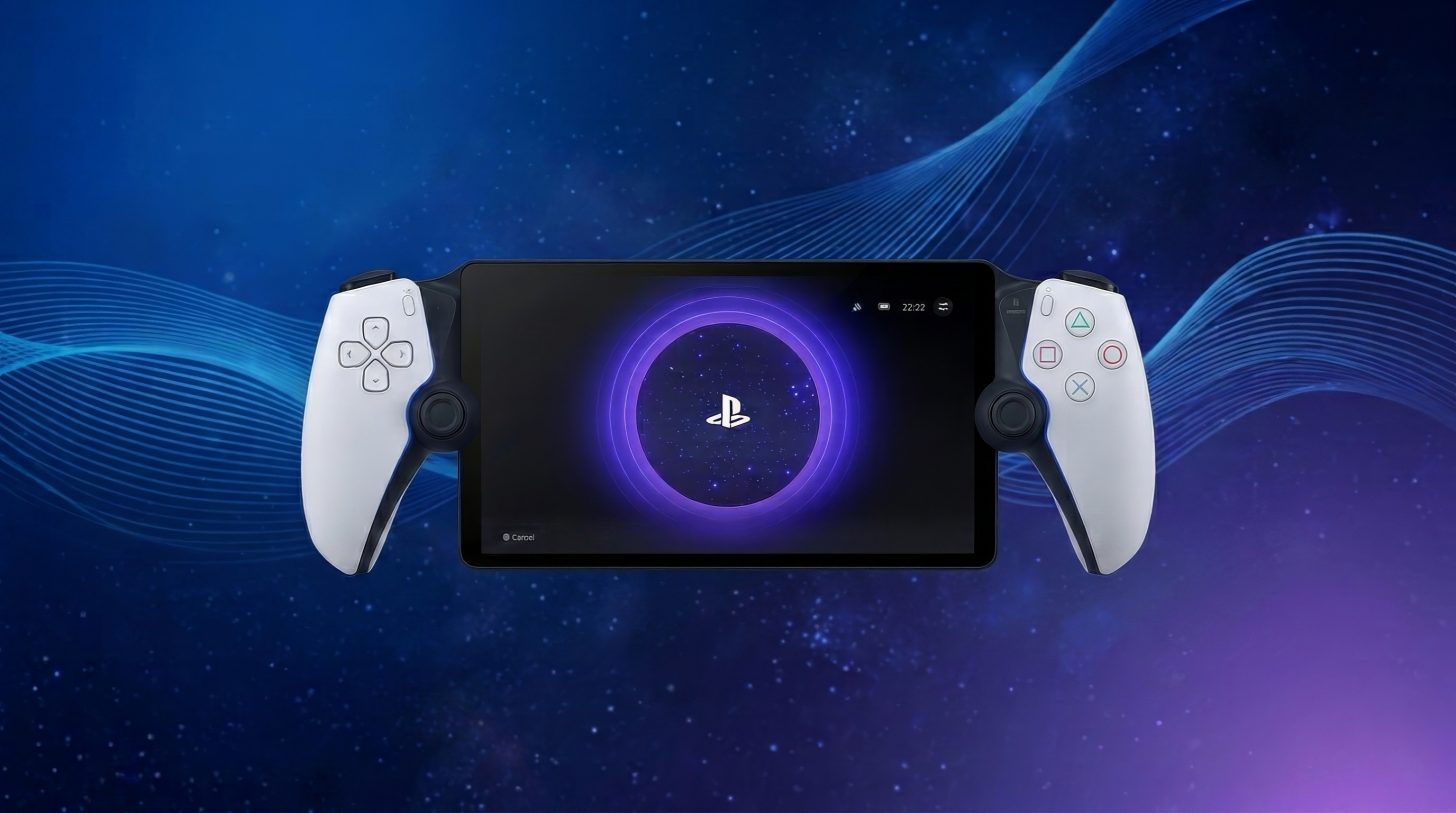
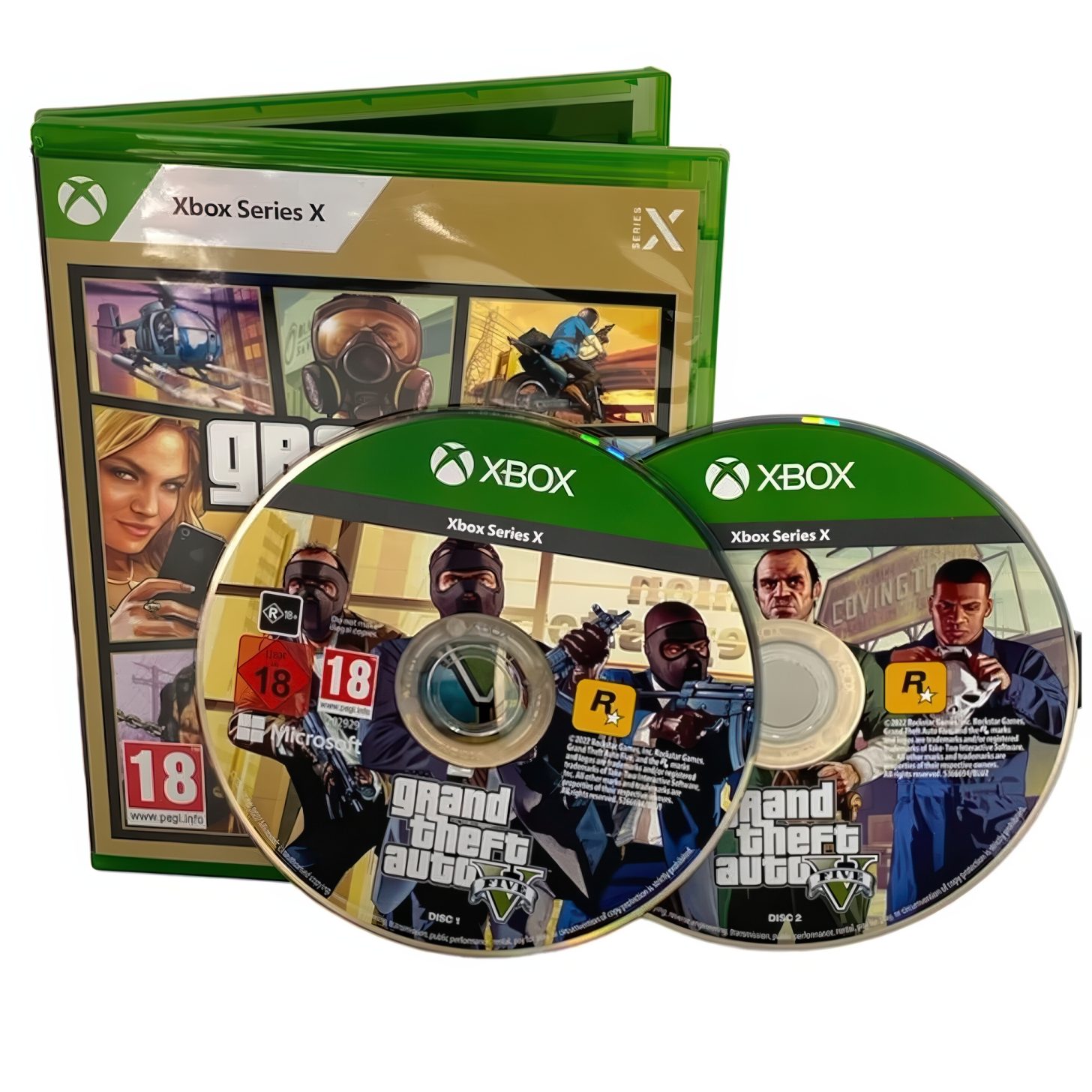
The gaming industry stands at a pivotal crossroads as the future of physical media hangs in the balance. Shortly after Sony announced its controversial decision to cease manufacturing PlayStation discs starting in January 2028, conflicting reports have emerged about Microsoft’s strategy for its upcoming next-generation Xbox console. While some industry insiders initially suggested Microsoft would follow Sony’s lead into an all-digital future, new rumors indicate the company may be charting a different course entirely, potentially giving disc enthusiasts a reason to stay loyal to the Xbox ecosystem.
Windows Central’s respected gaming journalist Jez Corden initially reported that Microsoft was leaning toward abandoning physical media support for the next Xbox console, codenamed ‘Project Helix.’ However, in a surprising twist revealed during the latest episode of the DF Direct Q+A podcast, Digital Foundry’s John Linneman shared compelling information suggesting Xbox’s plans may be more nuanced. According to Linneman’s sources, Microsoft was actively considering maintaining disc support in its next-generation hardware, primarily to ensure robust backward compatibility with the extensive library of physical Xbox games accumulated over more than two decades.
The Strategic Importance of Backward Compatibility
Microsoft’s potential commitment to disc support would represent more than just a technical decision—it would be a strategic positioning move in the ongoing console wars. The Xbox brand has built considerable goodwill among gamers through its aggressive backward compatibility program, which allows players to enjoy games spanning four generations of Xbox hardware. This library includes not only Xbox One and Xbox Series X|S titles but also reaches back to the original Xbox and Xbox 360 eras. Abandoning disc support would effectively cut off physical access to thousands of games that many players have accumulated over the years, potentially alienating a loyal customer base that values their physical collections.
The timing of these rumors is particularly significant given the recent leadership changes at Xbox. The ‘big Xbox reset’ enacted by new CEO Asha Sharma has prompted widespread speculation about the division’s future direction. Sharma, who took the helm during a transformative period for Microsoft’s gaming division, faces the challenge of balancing innovation with tradition. The decision on physical media support will likely be one of many pivotal choices that define her tenure and shape Xbox’s competitive positioning against both Sony and the growing influence of cloud gaming services.
Sony’s Bold Move Toward Digital Distribution
Sony’s announcement to discontinue PlayStation disc manufacturing by January 2028 sent shockwaves through the gaming community. The decision represents a calculated bet that digital distribution will become the dominant—and eventually exclusive—method of game delivery. Industry analysts note that digital game sales have been steadily increasing, with some estimates suggesting that digital purchases now account for over 70% of all game sales on modern consoles. However, this transition has sparked intense debate about consumer rights, game preservation, and the long-term accessibility of purchased content.
Critics of the all-digital approach point to several concerning issues. Without physical media, players become entirely dependent on digital storefronts that can be shut down, games can be delisted without warning, and access to purchased content ultimately remains at the discretion of platform holders. The preservation community has been particularly vocal, arguing that physical discs represent the last line of defense against games being lost to history. Additionally, consumers in regions with limited or expensive internet access face significant barriers to participating in an all-digital ecosystem, raising questions about market accessibility and digital equity.
Market Implications and Consumer Choice
If Microsoft does maintain disc support while Sony abandons physical media, the competitive dynamics of the console market could shift dramatically. Xbox would position itself as the console of choice for collectors, preservation advocates, and consumers who prefer the flexibility of physical ownership. This differentiation strategy could prove particularly effective in markets where used game sales remain popular, allowing Xbox to capture customers who value the ability to trade, sell, or share their physical game libraries. The secondhand game market, estimated to be worth billions of dollars annually, would effectively become an Xbox-exclusive ecosystem.
Industry observers note that Microsoft’s potential strategy aligns with the company’s broader approach to gaming, which emphasizes consumer choice and accessibility. The Xbox Game Pass subscription service already demonstrates Microsoft’s willingness to offer multiple pathways to gaming content, and maintaining disc support would extend this philosophy to physical media. As the next generation of consoles approaches, these decisions will fundamentally shape how millions of players experience and access their favorite games for years to come.
Expert Opinion: This divergence in physical media strategy could become a defining factor in next-generation console sales, particularly among core gaming enthusiasts who have invested heavily in physical collections. Microsoft’s potential disc support would create a compelling differentiator against Sony, though the long-term viability of physical media remains uncertain as streaming and digital delivery technologies continue to mature. The console that best balances innovation with respect for existing libraries may ultimately win the hearts—and wallets—of dedicated gamers.