
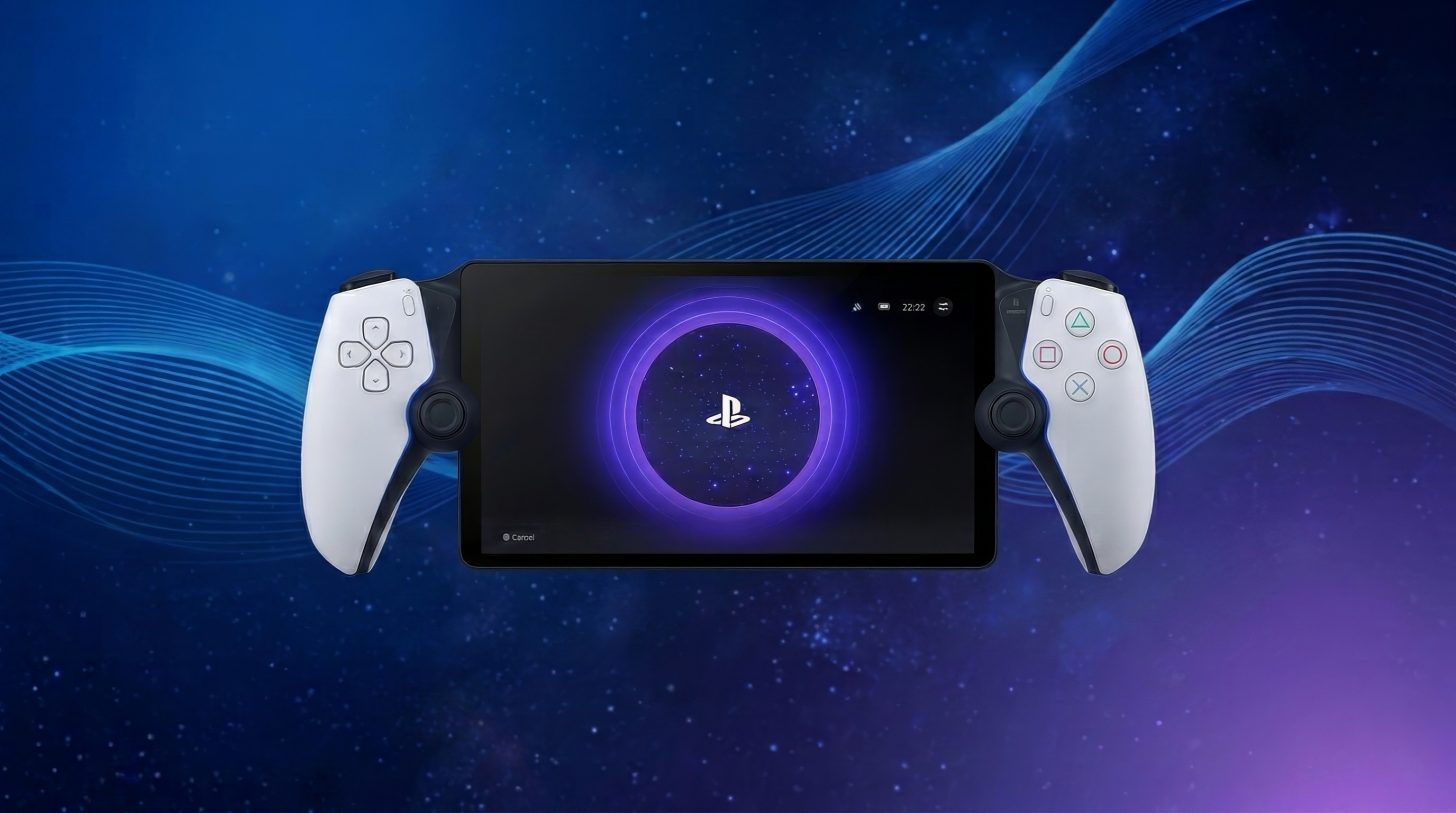
The gaming industry is bracing for a potential pricing shock as the next generation of consoles approaches. According to industry insiders and component market analysts, both the PlayStation 6 and Microsoft’s Project Helix could become the most expensive gaming systems ever released to consumers. The culprit? Surging demand for critical components, particularly LPDDR memory, driven by the explosive growth of artificial intelligence datacenters worldwide. For Sony’s rumored handheld variant of the PS6, this presents a particularly challenging obstacle that could fundamentally reshape consumer expectations about portable gaming prices.
Well-known AMD leaker Kepler_L2, who has established a strong track record for accurate hardware predictions, recently warned that a PlayStation 6 handheld priced below $600 may be virtually impossible under current market conditions. This assessment has sent ripples through the gaming community, as many had hoped the handheld option would serve as an affordable entry point into Sony’s next-generation ecosystem. The warning comes at a time when memory prices show no signs of stabilizing, with industry forecasts suggesting the shortage and price inflation could persist for several more years.
The AI Revolution’s Hidden Impact on Gaming Hardware
The root cause of this pricing pressure lies in an unexpected corner of the technology sector: artificial intelligence. The rapid deployment of AI systems, from large language models to machine learning applications, has created unprecedented demand for high-bandwidth, low-power memory solutions. LPDDR (Low Power Double Data Rate) memory, traditionally used in smartphones, tablets, and portable gaming devices, has become a critical component in edge AI applications and certain datacenter configurations. Major tech companies including Microsoft, Google, Amazon, and Meta are engaged in what amounts to an arms race for AI infrastructure, collectively purchasing memory at scales never before seen in the industry.
This competition for finite manufacturing capacity has created a supply squeeze that directly impacts consumer electronics. Memory fabrication plants, concentrated primarily in South Korea, Taiwan, and Japan, operate at near-maximum capacity but cannot expand fast enough to meet the combined demands of AI, mobile devices, automotive computing, and gaming. Samsung, SK Hynix, and Micron—the three dominant players in the memory market—have prioritized higher-margin enterprise contracts over consumer applications, leaving gaming hardware manufacturers to compete for remaining allocations at elevated prices.
Historical Context: Console Pricing Through the Decades
To understand the magnitude of this potential price increase, it helps to examine the history of console launches. The original PlayStation debuted in 1995 at $299, a price point Sony maintained for the PS2 in 2000. The PlayStation 3’s 2006 launch at $499-$599 was widely considered a pricing disaster that cost Sony significant market share to Microsoft’s more affordable Xbox 360. Sony learned from this mistake, launching the PS4 at $399 in 2013 and the PS5 at $499 in 2020. A $600 handheld would represent uncharted territory, potentially exceeding even the ill-fated PS3’s launch price for what is traditionally considered a secondary gaming device.
The portable gaming market has historically operated at significantly lower price points. Nintendo’s highly successful Switch launched at $299 in 2017 and continues to sell at similar prices. Even Valve’s Steam Deck, which brought PC-class gaming to a handheld form factor, started at $399 for the base model. A PlayStation 6 handheld approaching or exceeding $600 would need to offer extraordinary capabilities to justify such a premium, potentially including features like advanced ray tracing, high-refresh-rate OLED displays, and substantial onboard storage.
What This Means for Sony’s Next-Generation Strategy
Sony faces difficult choices as it finalizes its next-generation hardware strategy. The company could choose to absorb some costs by selling hardware at a loss, a strategy it has employed successfully in the past with expectations of recouping investments through software sales and PlayStation Plus subscriptions. However, the magnitude of component cost increases may make this approach financially untenable. Alternatively, Sony could reduce specifications to hit a more palatable price point, though this risks disappointing consumers who expect significant generational improvements. The company might also delay the handheld launch until memory prices stabilize, though such a timeline remains highly uncertain given the trajectory of AI investment.
For consumers, the message is clear: the era of affordable high-performance gaming hardware may be coming to an end, at least temporarily. Those planning to purchase next-generation systems should prepare for significantly higher costs than previous console cycles. The convergence of AI demand, component shortages, and inflation has created a perfect storm that will likely reshape the economics of gaming for years to come. Whether Sony can find creative solutions to deliver an accessible PlayStation 6 handheld remains one of the most watched questions in the gaming industry.
Expert Opinion: The intersection of AI infrastructure demands and consumer gaming hardware represents a structural shift in the technology supply chain that may persist through at least 2027. Console manufacturers will need to either fundamentally rethink their hardware strategies or accept that gaming systems are transitioning from mass-market entertainment devices to premium products. Sony’s decision on the PS6 handheld pricing will likely set the tone for the entire industry’s approach to portable gaming in this new economic reality.