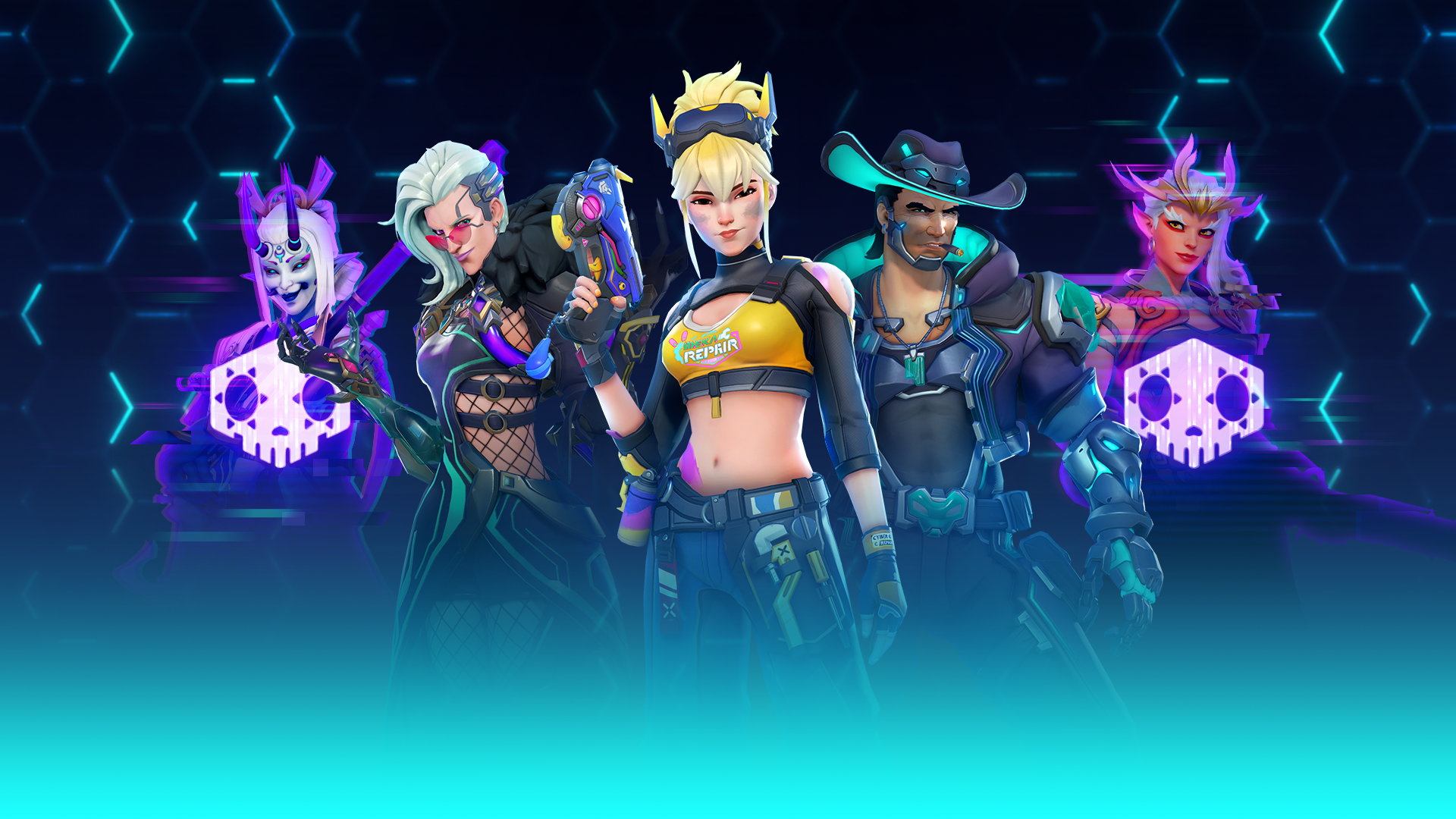
In a significant shift to its monetization strategy, Blizzard Entertainment has announced that Overwatch 2 will be bringing back previously expired battle passes and making them permanently available to players. This move marks a notable departure from the traditional battle pass model that has dominated the gaming industry, where seasonal content typically disappears forever once a season concludes. The decision appears to be a direct response to growing player frustration with limited-time content and the fear of missing out that has plagued many live-service games.
The announcement comes at an interesting time for the hero shooter market, particularly as competition has intensified with the emergence of Marvel Rivals. Before its launch, Marvel Rivals generated considerable goodwill among players by promising that any battle pass purchased would remain permanently accessible to the buyer. This consumer-friendly approach stood in stark contrast to the industry standard and put pressure on established competitors like Overwatch 2 to reconsider their own monetization philosophies.
The Evolution of Battle Pass Systems in Gaming
The battle pass system first gained mainstream popularity through Fortnite in 2018, revolutionizing how free-to-play games generate revenue. The model typically offers players a tiered progression system where they can unlock cosmetic items, in-game currency, and other rewards by playing during a specific season. However, the traditional approach has always included an expiration date, creating urgency for players to either grind extensively or purchase tier skips to obtain desired content before it vanishes forever.
This artificial scarcity has been a double-edged sword for game developers. While it drives engagement and spending in the short term, it has also led to widespread burnout and resentment among player bases. Many gamers have voiced concerns about the predatory nature of limited-time content, arguing that it exploits psychological vulnerabilities and punishes those who cannot dedicate significant time or money during specific periods. The shift toward permanent battle passes represents a potential turning point in how the industry approaches seasonal content.
Marvel Rivals’ Influence on Industry Standards
When Marvel Rivals entered the competitive hero shooter market, it initially distinguished itself through player-friendly monetization promises. The game’s commitment to permanent battle pass ownership was widely praised and seen as a progressive step for the genre. However, the reality of the game’s current state tells a more complicated story. The home screen has become cluttered with multiple mini battle passes, gacha mechanics, and an overwhelming number of in-game currencies that can confuse and frustrate players.
Despite these subsequent developments, Marvel Rivals’ initial approach clearly made an impact on competitors. Overwatch 2’s decision to implement permanent battle passes suggests that Blizzard recognizes the value of such consumer-friendly policies, even if they potentially reduce the urgency-driven spending that traditional seasonal models encourage. This could signal a broader industry trend where player retention and long-term satisfaction take priority over short-term revenue maximization strategies.
What This Means for Overwatch 2 Players
For Overwatch 2’s dedicated player base, this change represents a welcome relief from the constant pressure to complete battle passes before they expire. Players who took breaks from the game or joined later can now access cosmetic content they previously thought was lost forever. This includes popular hero skins, weapon charms, sprays, and other customization options that were locked behind earlier seasonal passes. The permanent availability also means players can progress through multiple passes simultaneously at their own pace.
The decision also has implications for Blizzard’s relationship with its community. Overwatch 2’s transition from a premium title to a free-to-play model was met with significant criticism, particularly regarding the removal of the original game and changes to monetization. By making battle passes permanent, Blizzard appears to be taking steps to rebuild trust and demonstrate a commitment to player satisfaction over aggressive monetization tactics. Whether this translates to increased player engagement and spending remains to be seen, but the initial reception has been largely positive among the community.
Expert Opinion: This move by Blizzard signals a potential paradigm shift in live-service game monetization, where sustainable player engagement may finally be prioritized over exploitative FOMO tactics. As competition in the hero shooter market intensifies, we can expect other major titles to follow suit with similar player-friendly policies, fundamentally reshaping how seasonal content is delivered across the gaming industry.