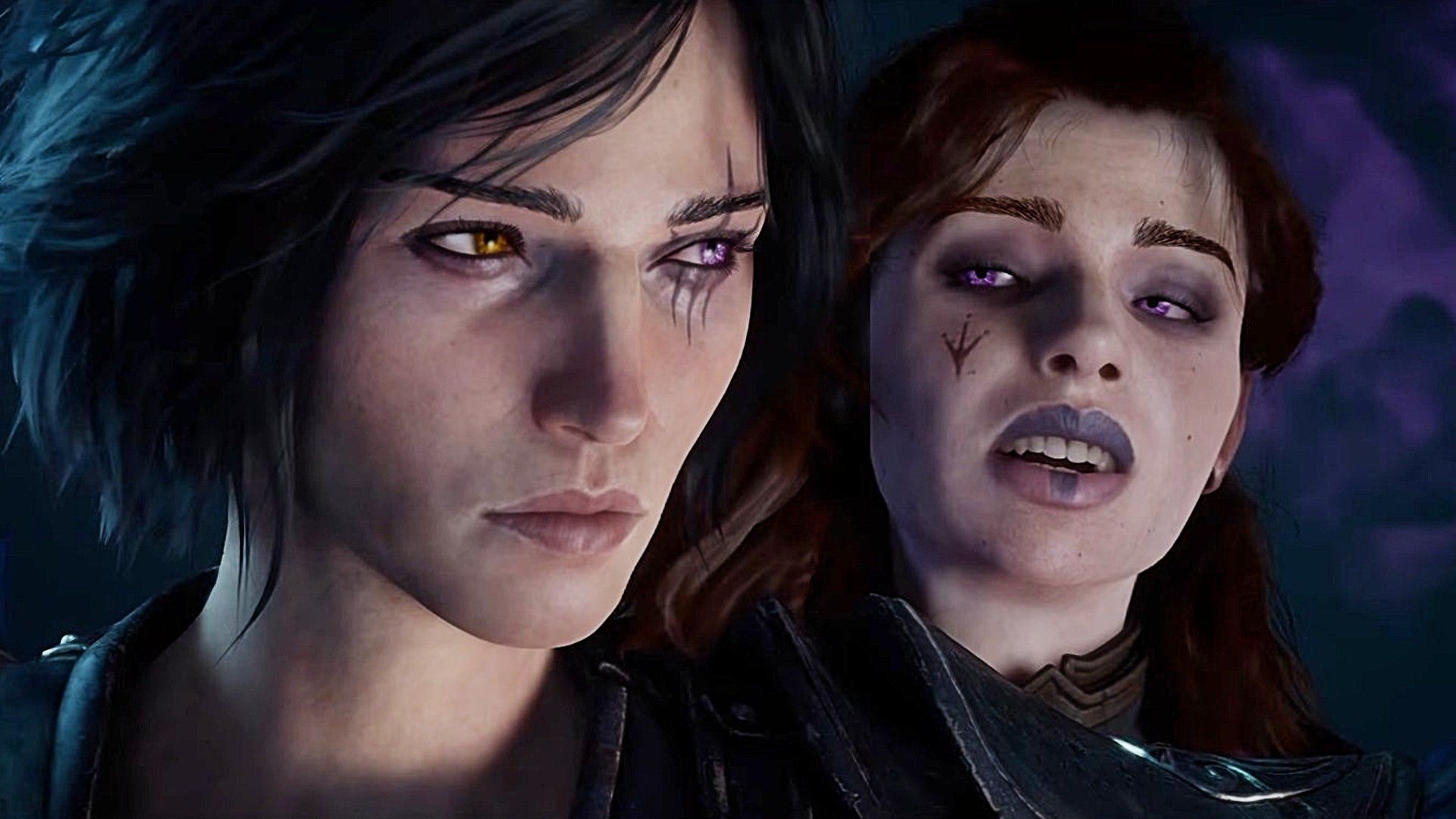
The gaming world is buzzing with anticipation following the official gameplay reveal of Warlock, an upcoming role-playing game that many are positioning as a potential alternative to Larian Studios’ critically acclaimed Baldur’s Gate 3. While Baldur’s Gate 3 has achieved remarkable commercial and critical success since its 2023 release, winning numerous Game of the Year awards and selling millions of copies, the title hasn’t resonated with every player. Warlock appears to be targeting precisely those gamers who appreciate deep worldbuilding and compelling characters but found themselves struggling with certain gameplay mechanics and pacing decisions in Larian’s epic.
The reveal has sparked intense discussion across gaming communities, with many players expressing that while they adored the rich lore, memorable companions, and branching narratives that Baldur’s Gate 3 offered, the turn-based tactical combat system and deliberate pacing presented barriers to their enjoyment. This sentiment has been echoed by a significant subset of RPG enthusiasts who traditionally prefer more action-oriented or streamlined gameplay experiences. Warlock’s developers seem keenly aware of this market gap and have positioned their title as a potential solution for these underserved players.
What Sets Warlock Apart from Recent RPG Giants
The RPG genre has experienced a remarkable renaissance in recent years, with titles like Baldur’s Gate 3, Elden Ring, and various other entries pushing boundaries in different directions. Baldur’s Gate 3 specifically brought the Dungeons and Dragons ruleset to life with unprecedented fidelity, implementing complex dice-rolling mechanics, intricate class systems, and strategic turn-based encounters that rewarded careful planning and tactical thinking. However, this commitment to tabletop authenticity meant that combat encounters could stretch for extended periods, and the game’s overall runtime frequently exceeded one hundred hours for completionist players.
Warlock’s gameplay reveal suggests a different approach, one that maintains the genre’s storytelling ambitions while potentially offering more accessible or varied combat mechanics. Industry analysts have noted that finding the right balance between depth and accessibility represents one of the greatest challenges facing modern RPG developers. Games that lean too heavily toward complexity risk alienating casual players, while those that oversimplify may fail to engage dedicated genre enthusiasts who crave meaningful decision-making and character progression systems.
The Challenge of Living Up to Pre-Release Expectations
Despite the enthusiasm surrounding the Warlock reveal, the development team faces a substantial challenge in meeting the astronomical expectations that now accompany any high-profile RPG release. The gaming industry has witnessed numerous instances where pre-launch excitement failed to translate into post-release satisfaction, with titles like Cyberpunk 2077 serving as cautionary tales about the dangers of overpromising and underdelivering. Baldur’s Gate 3 itself benefited from an extensive early access period that allowed Larian Studios to refine their vision based on player feedback over approximately three years of development.
The current landscape demands that new entries not only deliver polished technical experiences but also offer distinctive identities that justify their existence alongside established franchises. Warlock will need to demonstrate that it provides more than simply an alternative to existing options, instead presenting a compelling vision that stands on its own merits. The coming months will prove crucial as additional gameplay details, story information, and technical specifications emerge to either bolster or temper the community’s current enthusiasm. For now, RPG fans remain cautiously optimistic that Warlock might deliver an experience that captures the magic of fantasy gaming while addressing the specific concerns that have kept some players from fully embracing recent genre landmarks.
Expert Opinion: Warlock’s strategic positioning in the RPG market suggests developers are increasingly recognizing the diverse preferences within the genre’s fanbase. If the title successfully delivers streamlined gameplay without sacrificing narrative depth, it could carve out a significant niche among players who found Baldur’s Gate 3’s commitment to tabletop authenticity too demanding. However, the real test will come at launch, when promises must transform into playable reality.