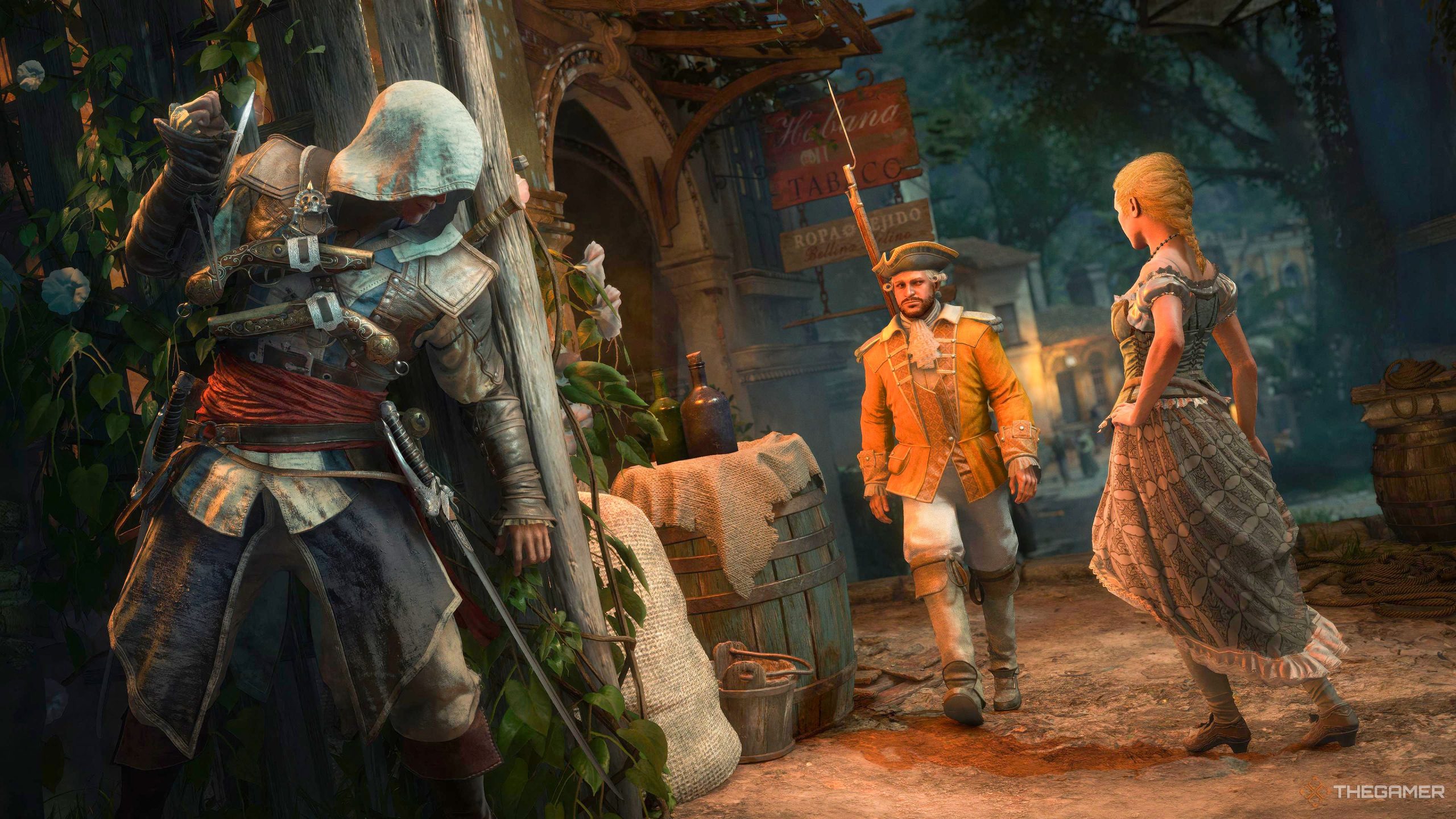
The gaming industry’s ongoing battle against software piracy has witnessed another significant development as Assassin’s Creed: Black Flag Resynced, Ubisoft’s highly anticipated remaster of the beloved 2013 pirate adventure, has been cracked by the notorious scene group voices38. This crack appeared remarkably quickly following the game’s official release, continuing what has become a troubling pattern for major publishers investing heavily in digital rights management (DRM) protection systems. The breach raises renewed questions about the effectiveness and consumer impact of anti-piracy measures in modern gaming.
The Rise of voices38 in the Cracking Scene
The cracking group known as voices38 has been making waves in the software piracy community with an impressive string of successful bypasses of major game protection systems. Over recent months, the group has systematically dismantled the DRM protections on several high-profile releases, establishing themselves as one of the most prolific and technically capable scene groups currently operating. Their methodology appears to be evolving rapidly, allowing them to crack even the latest iterations of protection software that publishers hoped would provide longer windows of protection for new releases.
The speed at which voices38 managed to crack Black Flag Resynced is particularly noteworthy, as Ubisoft has historically employed robust protection measures on their flagship titles. Industry analysts suggest that the group may have developed new techniques specifically targeting the protection schemes commonly used by major publishers, potentially rendering millions of dollars in DRM investment largely ineffective at preventing day-one piracy.
Black Flag’s Legacy and the Remaster Appeal
The original Assassin’s Creed IV: Black Flag launched in October 2013 and quickly became one of the most beloved entries in Ubisoft’s long-running franchise. Set during the Golden Age of Piracy in the early 18th century Caribbean, the game followed Edward Kenway, a Welsh privateer-turned-pirate who becomes embroiled in the ancient conflict between Assassins and Templars. The game’s naval combat system, expansive open world, and charismatic protagonist earned it critical acclaim and commercial success, with many fans still considering it the pinnacle of the series.
The Resynced version promised enhanced graphics, improved performance on modern hardware, and various quality-of-life improvements that would introduce the classic adventure to a new generation of players while satisfying longtime fans eager to revisit the Caribbean waters. Ubisoft invested significant resources into modernizing the eleven-year-old title, making the rapid crack particularly damaging to potential return on investment during the crucial launch window when full-price sales are most common.
The Ongoing DRM Debate in Gaming
The crack of Black Flag Resynced reignites the long-standing debate about the effectiveness and ethics of DRM in video games. Publishers argue that protection measures are essential to recoup development costs and ensure profitability, while critics contend that DRM often punishes legitimate customers with performance issues and always-online requirements while doing little to prevent determined pirates. Studies have shown mixed results regarding DRM’s impact on sales, with some suggesting that piracy may actually have minimal effect on purchasing decisions among potential customers.
Consumer advocacy groups have long argued that aggressive DRM measures can actually drive players toward pirated versions, which often run more smoothly without the overhead of protection software. The gaming community has seen numerous examples of legitimate purchasers experiencing crashes, performance degradation, and connectivity issues directly attributable to DRM, while pirated versions run without such problems. This ironic situation has led some developers, particularly in the independent space, to release their games DRM-free from launch, relying on consumer goodwill and competitive pricing to drive sales.
Expert Opinion: The rapid cracking of Black Flag Resynced suggests that current DRM solutions are approaching diminishing returns for publishers. As cracking techniques become more sophisticated and scene groups more efficient, the industry may need to fundamentally reconsider its approach to piracy prevention, potentially shifting focus toward value-added services, competitive pricing, and building direct relationships with consumers rather than engaging in an increasingly futile technological arms race.