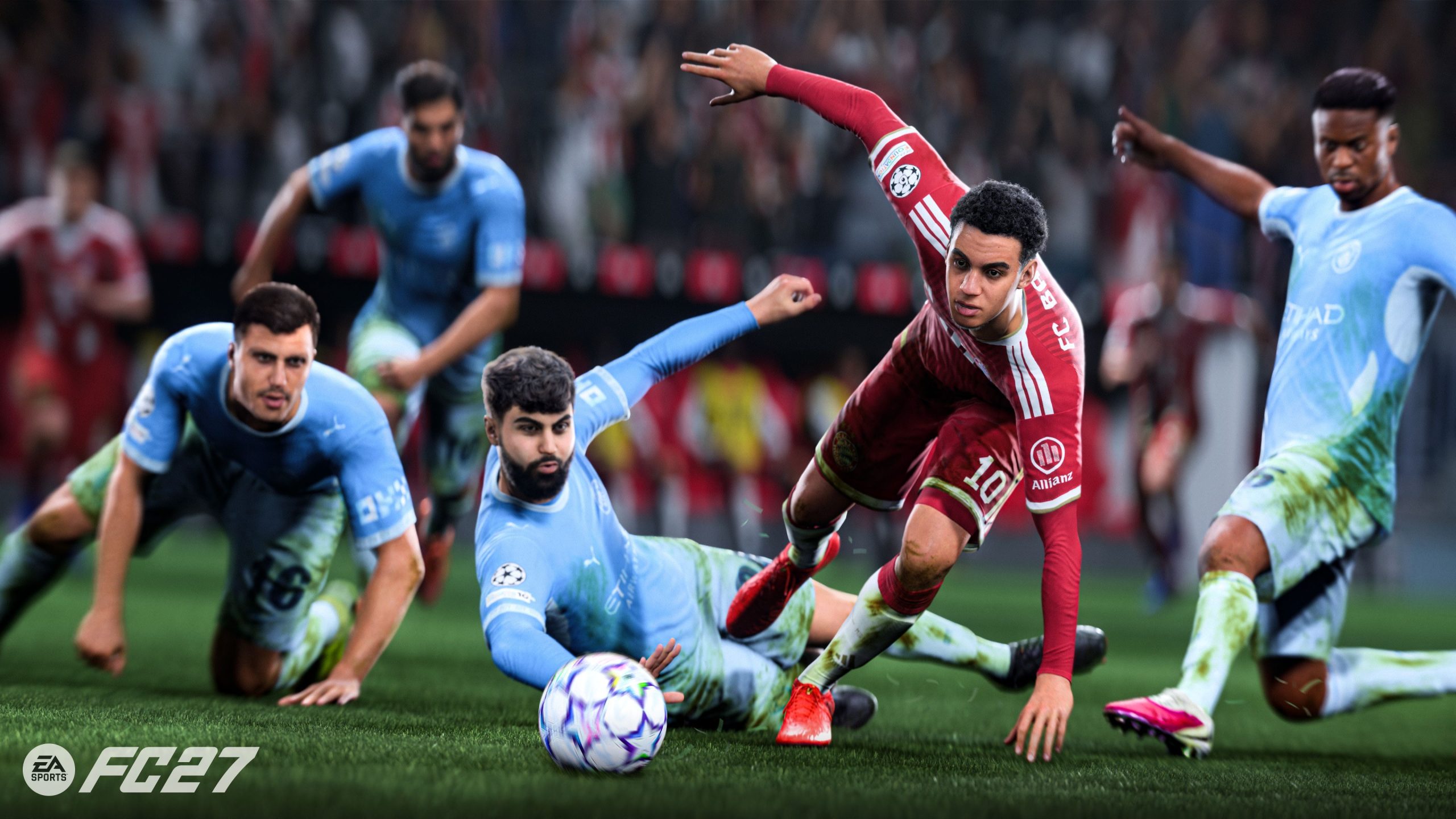
For years, fans of the EA SPORTS FC franchise have been vocal about one glaring omission in their beloved soccer simulation: a truly authentic managerial career experience. While other major sports video games like NBA 2K and Madden NFL have long featured robust general manager modes that allow players to build dynasties from the front office, soccer enthusiasts were left wanting. The beautiful game, with its intricate transfer windows, loan systems, release clauses, and agent negotiations, presented unique challenges that previous iterations of the game struggled to capture authentically. Now, EA Sports is poised to change everything with a groundbreaking partnership that promises to transform how players experience the business side of football.
EA Sports has announced a landmark collaboration with TransferRoom, the innovative platform that has revolutionized how real-world football clubs conduct transfer business. This partnership will directly impact EA SPORTS FC 27, providing the game with unprecedented access to authentic transfer market data and mechanics. The result, according to developers, will be the most realistic managerial experience the franchise has ever delivered. The Managerial Career mode is receiving the lion’s share of updates for this year’s release, marking a significant shift in development priorities that fans have been requesting for nearly a decade.
Understanding TransferRoom and Its Impact on Modern Football
TransferRoom has emerged as one of the most influential platforms in professional football since its founding in 2017. The company operates as a digital marketplace where clubs, agents, and intermediaries can connect to facilitate player transfers more efficiently than traditional methods allow. Over 700 professional clubs worldwide now use the platform, including teams from the Premier League, La Liga, Serie A, Bundesliga, and Major League Soccer. The platform has facilitated thousands of transfers worth billions of dollars, fundamentally changing how deals are structured and negotiated in the modern football landscape. By partnering with TransferRoom, EA Sports gains access to invaluable insights into how transfers actually work behind closed doors—information that was previously impossible to replicate authentically in a video game setting.
The significance of this partnership cannot be overstated. Previous versions of Career Mode relied on simplified algorithms and generic negotiation systems that often felt disconnected from reality. Players would frequently encounter unrealistic scenarios where world-class players could be signed for bargain prices, or conversely, where modest talents demanded astronomical fees. TransferRoom’s data will enable EA SPORTS FC 27 to model transfer valuations, club behaviors, and market dynamics with far greater accuracy. This means players will experience the genuine complexity of modern football transfers, including the influence of agent relationships, sell-on clauses, performance bonuses, and the increasingly important role of data analytics in player recruitment.
The Evolution of Career Mode in Football Games
The history of managerial modes in football video games stretches back decades, with early iterations offering little more than basic squad management and match simulation. The original FIFA series introduced rudimentary career options in the late 1990s, but these modes were often secondary considerations compared to the core gameplay experience. Competitors like Football Manager, developed by Sports Interactive, established themselves as the definitive simulation for players seeking authentic management experiences, while FIFA focused primarily on the on-pitch action. This division persisted for years, with many fans splitting their gaming time between both franchises to satisfy different aspects of their football gaming needs.
EA Sports has gradually expanded Career Mode’s scope over the years, adding features like youth academies, training systems, and manager creation tools. However, critics consistently pointed to the transfer market as an area requiring substantial improvement. The artificial intelligence governing other clubs’ transfer behavior often produced unrealistic results, breaking immersion for dedicated players. The rebranding from FIFA to EA SPORTS FC following the end of the licensing agreement with football’s governing body has seemingly provided the development team with an opportunity to reimagine core game modes. The TransferRoom partnership represents the most ambitious overhaul of the transfer system in the franchise’s history.
What Players Can Expect in EA SPORTS FC 27
While EA Sports has not revealed every detail about the updated Managerial Career mode, the TransferRoom integration suggests several exciting possibilities. Players can likely expect more dynamic transfer markets that respond realistically to in-game events, such as cup victories, league positions, and financial performance. Club reputations may play a more significant role in attracting talent, mirroring real-world scenarios where smaller clubs struggle to compete with established giants for top prospects. The negotiation system itself is expected to receive substantial improvements, potentially including multi-stage discussions, deadline day drama, and the intervention of player agents with their own agendas and preferences.
Industry analysts suggest this partnership could represent a turning point for sports video games more broadly. By incorporating real-world business data into gameplay mechanics, EA Sports is pioneering an approach that competitors may soon emulate. For football fans who have long dreamed of building their own dynasty from the manager’s chair, EA SPORTS FC 27 appears ready to deliver the authentic experience they have been waiting for.
Expert Opinion: This TransferRoom partnership signals EA Sports’ recognition that modern gamers demand authenticity beyond just graphics and gameplay mechanics. By integrating real-world transfer market intelligence, EA SPORTS FC 27 could finally close the gap with dedicated management simulations like Football Manager, potentially capturing a broader audience of football enthusiasts who want both accessible gameplay and strategic depth. This data-driven approach to sports game development may well become the industry standard within the next five years.