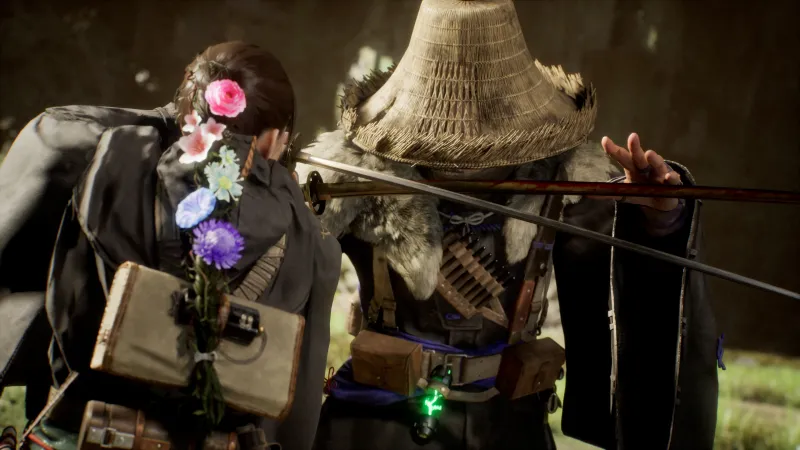
Capcom’s long-dormant Onimusha franchise is finally making its triumphant return after a two-decade hiatus, and recent hands-on previews have revealed one of the game’s most haunting environments yet. During an exclusive visit to Capcom’s headquarters in Osaka, Japan, journalists were given unprecedented access to never-before-seen sections of Onimusha: Way of the Sword, including a terrifying underground laboratory that draws heavy inspiration from classic Japanese ghost house aesthetics. This atmospheric dungeon, home to the sinister Genma known as Dokyo, promises to deliver a perfect blend of horror and action that longtime fans of the series have been craving since the franchise went dormant in the mid-2000s.
The Onimusha series first launched in 2001 with Onimusha: Warlords, which became one of Capcom’s most successful titles on the PlayStation 2. The franchise blended samurai action with supernatural horror elements, creating a unique gameplay experience that spawned multiple sequels and spin-offs. However, after Onimusha: Dawn of Dreams released in 2006, the series fell silent, leaving fans wondering if they would ever return to the demon-slaying action that defined an era of gaming. Way of the Sword represents not just a continuation but a complete reimagining of what Onimusha can be in the modern gaming landscape.
A Descent Into Horror: The Underground Laboratory
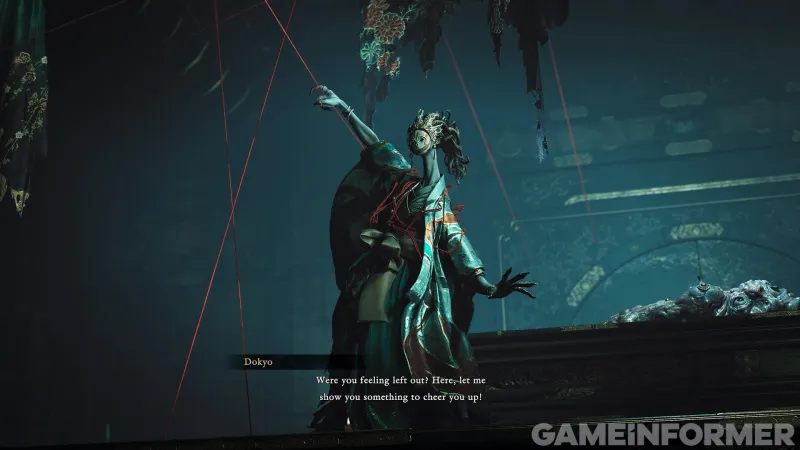
Director Satoru Nihei described this particular stage as one of the most horrific sections in Way of the Sword’s dark-fantasy action experience, comparing it directly to a “classic Japanese ghost house.” The environment masterfully evokes the unsettling atmosphere characteristic of this horror subgenre through carefully crafted visual storytelling. Shadows cast upon the lab’s traditional shoji screens reveal the silhouettes of grotesque body mutations and failed animal experiments, hinting at the horrors that lurk within. Blood drips continuously from the walls, catching the soft orange glow of torches that provide the only illumination in an otherwise pitch-black space. Perhaps most disturbing are the once-beautiful kimonos hanging from the rafters above, presumably belonging to the unfortunate subjects of Dokyo’s twisted experiments.
Dokyo herself emerges as a standout antagonist, described as a shrill, petulant, and thoroughly evil Genma who operates with far more intelligence than the mindless demon hordes players typically encounter. She has been conducting her unholy experiments in plain sight, hidden beneath the imperial castle of Kyoto itself, working tirelessly to create even more terrifying Genma from human and animal subjects. Her terrifying charisma and twisted determination make her a compelling presence whose voice echoes through the dungeon corridors between combat encounters, creating an atmosphere of constant unease.
Revolutionary Combat Systems And The Art Of The Sword
The underground lab serves as the point where the game’s tutorial restrictions finally lift, allowing players to experience the full depth of Way of the Sword’s combat system. The signature Issen counter-attack returns from previous entries, requiring players to press an attack button just before an enemy’s strike lands to execute a devastating counter. This move remains the most challenging technique to master, demanding the strictest timing of any action in the game. However, the combat system has expanded dramatically with additional mechanics including standard parries that fill a Blazing Gauge, igniting protagonist Miyamoto Musashi’s blade with blue flames for increased damage, and Reflex Dodges that fill a separate gauge while positioning players for devastating flank attacks.
Animation team lead Hiroshi Yugen explained that his primary goal was to take the larger-than-life moments previously reserved for Onimusha cutscenes and make them playable experiences. The team developed what they call the “Dynamic Dismemberment System,” a technical achievement that required special additions to Capcom’s proprietary RE Engine. This system allows players to slice through enemies in spectacular fashion, watching as bodies split apart and fall in the exaggerated, dramatic style of classic samurai films. Yugen noted that combining this dismemberment with traditional samurai death animations proved technically challenging, as the team wanted enemies to remain on screen for several seconds before slowly collapsing, just like in beloved samurai dramas.
Boss Encounters That Demand Mastery
The underground laboratory features two significant boss encounters that showcase the game’s demanding combat design. The first, Byakue – Hundred Defilements, presents a unique challenge as the creature grows stronger with each wound inflicted upon it, forcing players to carefully consider their approach rather than simply rushing in with aggressive attacks. Success requires patience, observation, and strategic timing, watching for entry points to maximize damage while minimizing the boss’s power increases. Defeating this formidable enemy rewards players with the Earth-Shaker hammers, an Oni Armament that deals heavy stamina damage to enemies.
The stage culminates in a battle against a pair of mythical chimera beasts called Nue, one crimson and one azure, each equipped with electrified tails that punish reckless aggression. This encounter demands a defensive approach centered on parries, Reflex Dodges, and well-timed Issen attacks. While the development team has been careful to distinguish Way of the Sword from the Soulslike genre, this boss fight’s emphasis on learning attack patterns and countering effectively will feel familiar to fans of challenging action games. The motion-capture team, consisting of real samurai experts and professional choreographers, performed all combat animations, lending authenticity to even the most fantastical movements of multi-armed bosses and creatures with extended limbs.
A Franchise Reborn For Modern Audiences
Onimusha: Way of the Sword represents more than just a nostalgia-driven revival; it’s a comprehensive reimagining built on modern technology and game design principles. The choice of legendary samurai Miyamoto Musashi as the protagonist, combined with the historically rich setting of Kyoto, grounds the supernatural action in Japanese cultural heritage while allowing for creative freedom in enemy and environment design. Capcom has stated that success for this title means becoming the “pinnacle of swordplay action games,” a lofty ambition that speaks to the confidence they have in what they’ve created after twenty years away from the franchise.
The game launches next month, and early impressions suggest that Capcom has successfully bridged the gap between the classic Onimusha formula and contemporary expectations for action games. The layered combat system offers both accessibility for newcomers and depth for veterans seeking mastery, while environments like Dokyo’s underground laboratory demonstrate the team’s commitment to atmospheric horror that has always been integral to the series’ identity. For fans who have waited two decades for another journey into the demon-haunted world of Onimusha, Way of the Sword appears poised to deliver an experience worthy of that long anticipation.
Expert Opinion: Capcom’s decision to revive Onimusha after a twenty-year hiatus represents a calculated risk that appears to be paying dividends based on early previews. The integration of the Dynamic Dismemberment System into the RE Engine suggests potential applications beyond this title, possibly influencing future Resident Evil entries and other Capcom franchises. If Way of the Sword achieves its goal of becoming the definitive swordplay action experience, we may be witnessing the beginning of an Onimusha renaissance that could rival the franchise’s original PlayStation 2 heyday.