The upcoming Stellar Blade 2 continues to generate significant controversy in the gaming community, with developer ShiftUp facing intense backlash over its latest creative decisions. The South Korean studio had already stirred debate when announcing the sequel due to the youthful appearance of its new heroine combined with suggestive character design. Now, an even more sensitive issue has emerged that strikes at the heart of ongoing tensions within the video game industry: the use of generative artificial intelligence to create promotional content. The controversy has grown so intense that the studio’s founder felt compelled to personally address the criticism.
The Stellar Blade franchise has been no stranger to heated discussions since its inception. The first installment sparked numerous debates upon release regarding the representation of its female protagonist, Eve. Despite the controversy surrounding character design choices, the game’s solid gameplay mechanics, challenging combat system, and impressive visual presentation ultimately helped it find a dedicated audience. The action RPG, which launched as a PlayStation 5 exclusive in April 2024, drew favorable comparisons to titles like NieR: Automata and demonstrated ShiftUp’s technical capabilities in creating polished gaming experiences. However, the sequel appears to be navigating far more turbulent waters.
The Origins of the Current Controversy
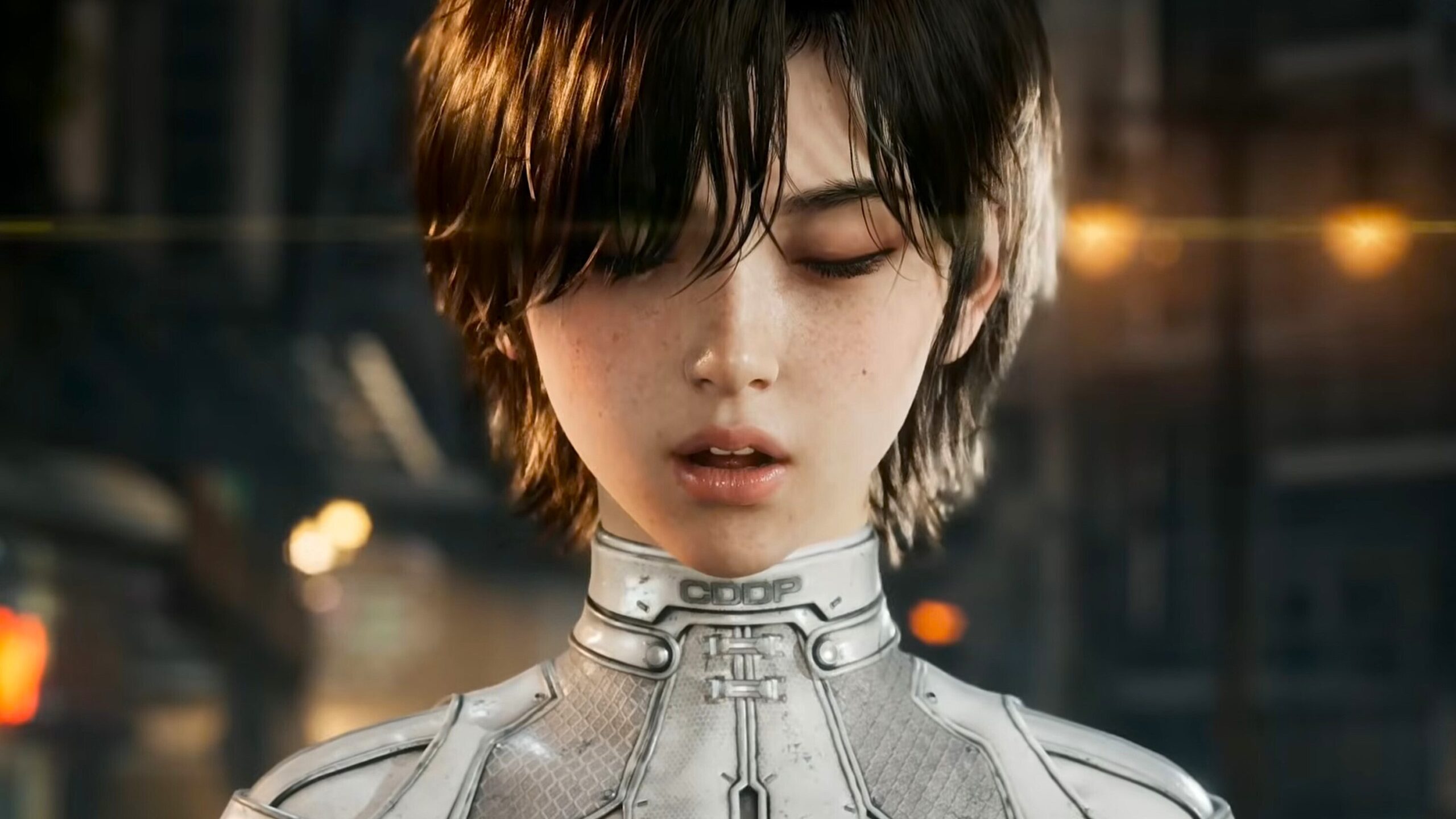
The initial wave of criticism surrounding Stellar Blade 2 centered on the introduction of Evie, the new protagonist who will take center stage in the sequel. Fans and critics alike expressed concern over the character’s design, which combines highly suggestive outfits with notably youthful, almost childlike facial features. This design choice reignited discussions about character representation in video games and the responsibilities developers hold when creating female protagonists. The gaming industry has faced increasing scrutiny in recent years over such depictions, with advocacy groups and players alike calling for more thoughtful approaches to character design.
However, the controversy escalated dramatically just days ago when ShiftUp officially released a promotional video titled “Stellar Blade Blood Rain.” The video features Evie performing a musical number, showcasing the character in an elaborate animated sequence. What sparked immediate backlash was the revelation that the entire video had been generated using artificial intelligence technology. In an era where AI-generated content has become one of the most divisive topics in creative industries, this decision struck a particularly sensitive nerve with the gaming community.
ShiftUp Founder Responds to Mounting Criticism
The disappointment among fans was palpable across social media platforms, with many questioning the artistic integrity of the studio they had come to admire. The use of AI in creative content has become increasingly controversial as artists, musicians, voice actors, and other creative professionals express concerns about job displacement and the devaluation of human artistry. In the video game industry specifically, recent labor disputes and union efforts have highlighted anxieties about AI potentially replacing human workers in various creative roles.
Responding to the growing backlash, Kim Hyung Tae, founder of ShiftUp and director of the Stellar Blade Blood Rain project, took to X (formerly Twitter) to defend the studio’s approach. In his statement, Kim emphasized the human effort behind the controversial content: “EVIE, the character at the heart of this video, was entirely created, from head to toe, by our talented artists and modelers over more than a year of dedicated work. AI does not create her from nothing. It simply models and presents the character based on the data, drawings, and craftsmanship produced by our team. We would be grateful if you would consider this work with that in mind.”
The Broader Implications for the Gaming Industry
Kim Hyung Tae’s defense essentially argues that AI served as a tool to showcase work that human artists had already created, rather than replacing human creativity entirely. This distinction, however, may prove difficult for many consumers to accept. The gaming community has become increasingly vigilant about AI usage in game development, particularly as major studios have faced criticism for incorporating AI-generated elements into their products. Voice actors have been especially vocal about protecting their craft, with several high-profile disputes emerging over AI voice cloning and synthetic performances.
The timing of this controversy is particularly significant given the broader conversation happening across creative industries. Hollywood’s recent strikes included substantial negotiations over AI usage, and the video game industry has seen similar concerns raised during unionization efforts. Many consumers view the adoption of generative AI not just as a technological choice but as an ethical one that reflects a company’s values regarding human labor and artistic authenticity. ShiftUp’s decision to use AI for promotional content, regardless of the human work underlying it, sends a signal that some fans find troubling.
Looking ahead, the controversy surrounding Stellar Blade Blood Rain may have lasting implications for Stellar Blade 2’s reception. Fans who were already skeptical following the character design debates now have additional reasons to scrutinize the final product. Any hint of AI-generated content within the actual game could trigger significant backlash. The incident serves as a cautionary tale for other developers considering similar approaches, demonstrating that audiences are paying close attention to how studios integrate artificial intelligence into their creative processes. Whether ShiftUp can rebuild trust with its community before the sequel’s launch remains to be seen, but the studio’s handling of this controversy will likely influence how other developers approach AI transparency in the future.
Expert Opinion: This controversy highlights a critical inflection point for the gaming industry’s relationship with AI technology. Studios must recognize that transparency alone is insufficient—consumers are increasingly making purchasing decisions based on ethical considerations around AI usage. ShiftUp’s experience suggests that even promotional content utilizing AI can significantly damage brand trust, potentially affecting sales regardless of the quality of the underlying game. Developers would be wise to establish clear AI policies and communicate them proactively rather than defensively.