
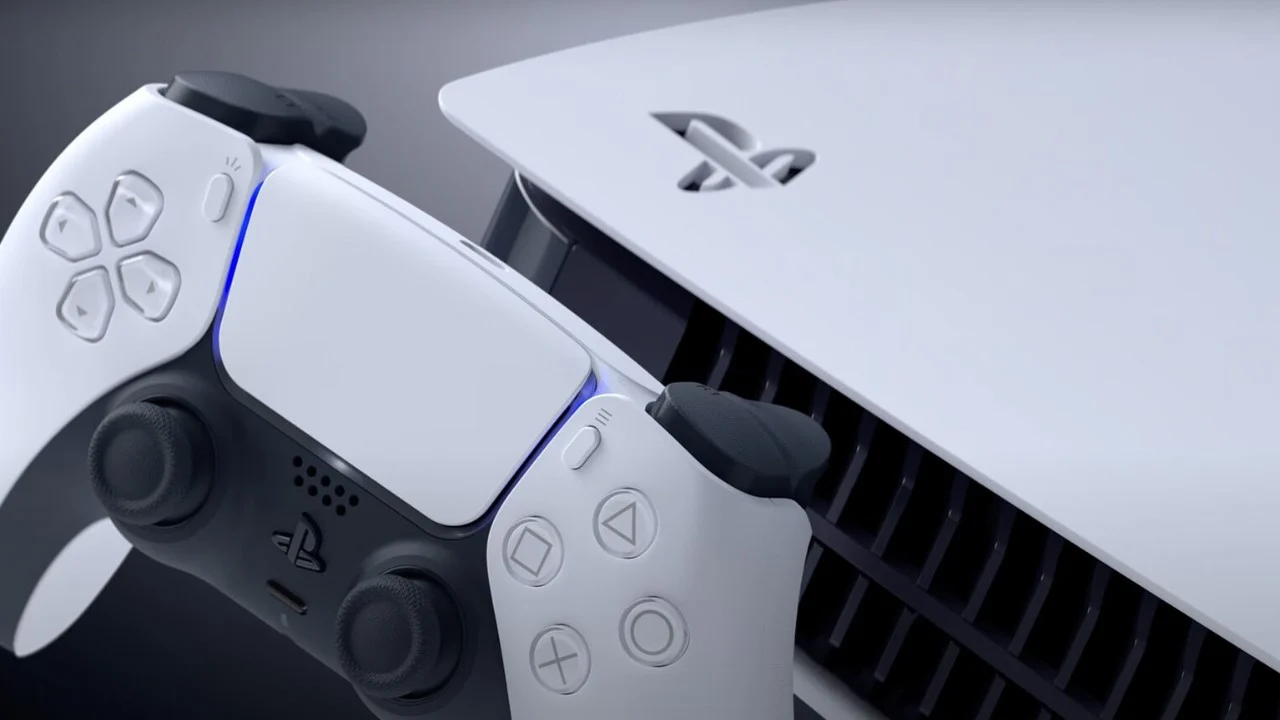
Nearly one month after dropping a bombshell announcement that sent shockwaves through the gaming community, PlayStation has finally broken its silence on the controversial decision to discontinue physical game sales. The company confirmed in January 2028, physical disc-based games will officially cease production for PS5 and, by extension, the upcoming PS6 console. Despite widespread outrage from players worldwide, Sony’s response makes one thing abundantly clear: there will be no turning back from this digital-only future.
Sony’s Financial Chief Addresses the Backlash
During Sony’s latest financial briefing, Chief Financial Officer Lin Tao finally addressed the firestorm of criticism that erupted following the July 1st announcement. “Several reasons drove us to make this decision, the main one being that the digitization of content in general continues to progress. That is the determining factor,” Tao stated. “And this isn’t just for PlayStation, but for all kinds of content. Digital continues to advance.” The executive emphasized that extensive deliberation preceded this decision, noting that the company had “dedicated a lot of time and thought” to studying the matter carefully before reaching their conclusion.
The shift toward digital gaming has been years in the making, reflecting broader industry trends that have transformed how consumers purchase and consume media. Music, films, and books have all undergone similar transitions, with streaming and digital downloads largely replacing physical formats. The gaming industry has followed suit, with digital sales surpassing physical purchases several years ago. According to industry analysts, digital game sales now account for approximately 80-90% of total game purchases on modern consoles, a dramatic shift from just a decade ago when physical discs dominated the market.
Acknowledging Player Emotions While Standing Firm
PlayStation acknowledged that “some have very strong opinions” regarding the controversial decision, but this recognition hasn’t translated into any policy changes. In what many players viewed as a dismissive response, Tao offered carefully measured words of understanding without any concrete accommodations. “Video games are loved by many people. It’s a form of entertainment that people are attached to, and which is often linked to their most cherished memories. We therefore understand these emotions and wish to take them into account. As for how we will involve players in the future digital ecosystem, this is a question we would like to continue exploring,” the CFO stated.
The concerns raised by gaming enthusiasts extend far beyond mere nostalgia. Physical game ownership provides consumers with tangible assets they can resell, trade, lend to friends, or keep as collectibles. Digital purchases, by contrast, function more like licenses that can potentially be revoked or rendered inaccessible if servers shut down. The preservation community has been particularly vocal, warning that a fully digital future poses significant risks to gaming history. When companies discontinue online services or platforms, digital-only games can effectively disappear forever, unlike physical copies that remain playable regardless of corporate decisions.
Retail Partners and the PC Comparison
When questioned about the impact on retail partners who have built businesses around physical game sales, Tao offered reassurances of ongoing dialogue. “Regarding distributors, there are regional specificities, and we strive to maintain in-depth dialogue with each of our local partners to achieve a win-win situation,” she explained. However, the executive provided no details about compensation, transition assistance, or alternative product arrangements for these affected businesses. Major retailers like GameStop, which have historically relied heavily on physical game sales and the lucrative used game market, face uncertain futures as the industry moves away from disc-based distribution.
Perhaps most notably, Tao drew a direct comparison between PlayStation’s strategy and the PC gaming market, which has been predominantly digital for over a decade. “We don’t consider the disc to be the element that differentiates PlayStation from PC. PC has its own way of being played. Our content selection is one of our strengths, as is the stability of our gaming environment. And compared to a high-end PC, our product is more affordable,” she argued. The executive concluded by stating that PlayStation “can coexist peacefully with PC games” moving forward, suggesting the company views its digital transition as inevitable market evolution rather than a controversial departure from tradition.
Consumer Resistance and Organized Boycotts
Despite Sony’s measured corporate response, the gaming community shows no signs of accepting this transition quietly. Frustrated players have organized a worldwide boycott scheduled for August 23-30, during which participants plan to abstain from playing PS4 and PS5 consoles entirely in what organizers are calling a “global blackout.” Whether this protest will have any meaningful impact on Sony’s decision remains to be seen, but it demonstrates the depth of consumer frustration with the company’s direction. Similar boycott attempts in gaming history have produced mixed results, with some prompting corporate reversals while others faded without effect.
With approximately eighteen months remaining before the policy takes effect, Sony maintains it has adequate time to refine its approach and share additional details. However, the company’s messaging suggests these future communications will focus on how to implement the digital transition rather than whether to proceed at all. For collectors, preservationists, and players who simply prefer owning physical copies of their games, the message is clear: adapt or be left behind. As the gaming industry continues its relentless march toward an all-digital future, the voices advocating for physical media preservation grow increasingly desperate, facing a corporate giant that seems determined to close this chapter of gaming history permanently.
Expert Opinion: Sony’s decision reflects an irreversible industry trajectory rather than a corporate whim, but the company’s handling of the announcement reveals a troubling disconnect with consumer concerns about digital ownership rights and game preservation. While the financial logic of eliminating physical distribution is sound, the eighteen-month window should be used to establish robust consumer protections, including guaranteed library access and transferable licenses, rather than simply preparing players for an inevitable transition. The upcoming boycott, while unlikely to reverse the decision, may pressure Sony into offering meaningful concessions that address the legitimate anxieties surrounding all-digital game ownership.