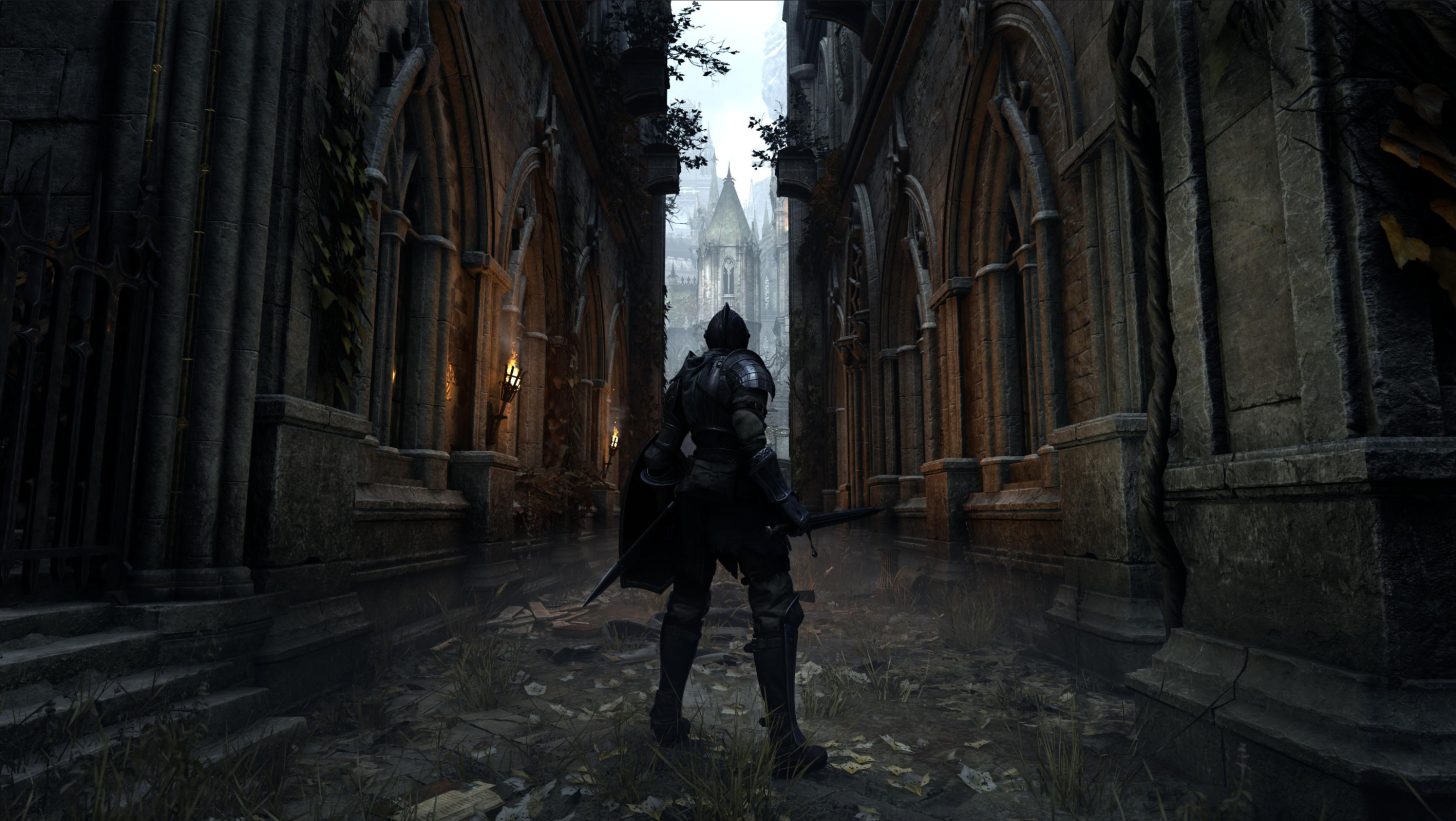
The landscape of console gaming exclusivity is facing yet another technological challenge as PlayStation 5 emulation on PC continues to advance at an impressive pace. While PS5 emulation remains in its early developmental stages, the remarkable progress demonstrated by PlayStation 4 emulators suggests that flagship console exclusives like Bluepoint Games’ critically acclaimed Demon’s Souls remake could become playable on PC hardware sooner than many industry observers anticipated. This development poses significant implications for Sony’s carefully maintained strategy of keeping certain high-profile titles exclusive to its console ecosystem.
The emulation community has been energized by two particularly promising projects: KyTyPS5 and SharpEmu. Both emulators have shown substantial improvements in recent months, with SharpEmu specifically garnering attention for its focused approach to replicating the PlayStation 5’s complex architecture. The developers behind SharpEmu have reportedly made significant strides in rendering Demon’s Souls, demonstrating that the technical barriers once thought insurmountable are gradually being overcome through dedicated reverse engineering efforts and community collaboration.
The Precedent Set by PlayStation 4 Emulation
The rapid advancement of PS5 emulation efforts draws heavily from the success story of ShadPS4, the PlayStation 4 emulator that surprised the gaming community with its accelerated development timeline. What many expected to take years of painstaking work was accomplished in a fraction of that time, with numerous PS4 exclusives reaching playable states. This precedent has emboldened developers working on PS5 emulation, providing them with both technical insights and proof that modern console architectures can be successfully replicated on PC hardware. The architectural similarities between the PS4 and PS5, both utilizing AMD-based processors and graphics solutions, have proven advantageous for emulation efforts.
Historically, console emulation has followed a predictable pattern where older systems become emulatable as PC hardware advances beyond their specifications. However, the current generation has seen this timeline dramatically compressed. The PlayStation 3, with its notoriously complex Cell processor architecture, took over a decade before emulators like RPCS3 could run games at playable framerates. In contrast, the more conventional x86-64 architecture employed by modern PlayStation consoles has proven significantly more accessible to emulation developers, reducing the technical complexity involved in accurate system replication.
Implications for Sony’s PC Strategy
Sony has gradually warmed to the PC gaming market over recent years, strategically releasing former PlayStation exclusives on the platform after extended console exclusivity windows. Titles like Horizon Zero Dawn, God of War, and Spider-Man have found commercial success on PC, generating additional revenue streams while maintaining the initial console exclusivity that drives hardware sales. However, the company has consistently maintained a clear boundary, keeping certain flagship titles permanently exclusive to PlayStation hardware. Demon’s Souls, developed as a showcase for the PS5’s capabilities, falls firmly into this protected category.
The emergence of functional PS5 emulation threatens to erode this carefully constructed strategy. While Sony has previously taken legal action against emulation-related projects, the legal standing of emulation itself remains protected under various court precedents, provided the emulators don’t incorporate proprietary code or facilitate piracy directly. This legal gray area has allowed emulation projects to continue development openly, though they often face pressure through other means. Industry analysts suggest that accelerated emulation timelines may force platform holders to reconsider their exclusivity strategies entirely.
Technical Challenges and Future Outlook
Despite the encouraging progress, significant technical hurdles remain before PS5 emulation reaches the maturity level of its PS4 predecessor. The PlayStation 5’s custom SSD architecture, designed for ultra-fast asset streaming, presents unique challenges for emulation on conventional PC storage solutions. Additionally, the console’s DualSense controller features, including haptic feedback and adaptive triggers, require careful implementation to preserve the intended gameplay experience. Graphics accuracy, audio synchronization, and performance optimization all represent ongoing development priorities for emulation teams.
The gaming community remains divided on the implications of advancing emulation technology. Preservation advocates argue that emulation serves a crucial role in maintaining access to gaming history, particularly for titles that may never receive official PC releases or become unavailable due to server shutdowns. Critics, meanwhile, express concerns about potential piracy facilitation and the impact on developer revenue. As PS5 emulation continues its forward march, these debates will likely intensify, particularly as more high-profile exclusives approach playability on unauthorized platforms.
Expert Opinion: The accelerating pace of PS5 emulation development suggests that Sony may need to fundamentally reconsider its exclusivity timeline strategy within the next two to three years. As the technical barriers continue to fall, platform holders face an increasingly difficult choice between shorter exclusivity windows that capture maximum legitimate PC revenue, or maintaining longer exclusivity periods that risk losing potential customers to emulation. The era of permanent console exclusivity for mainstream titles may be drawing to a close.