Riot Games has unveiled an exciting array of new products and significant changes coming to their popular trading card game Riftbound throughout 2027, signaling a major shift in how players will access some of the game’s most sought-after card types. Among the most notable announcements is the upcoming transformation of Legends and Battlefields card rarities, which will soon be available as commons in standard booster packs. This change represents one of the most substantial modifications to the game’s distribution model since Riftbound’s initial launch, and it has sparked considerable discussion within the competitive and casual player communities alike.
The decision to reclassify these previously rare card types comes as part of Riot Games’ broader strategy to make Riftbound more accessible to newcomers while maintaining the strategic depth that veteran players have come to appreciate. Legends cards, which feature iconic champions from the League of Legends universe, have traditionally been among the most difficult cards to obtain, often commanding premium prices on the secondary market. Battlefields, which provide unique environmental effects that can dramatically alter gameplay dynamics, have similarly been coveted by collectors and competitive players seeking to optimize their deck-building strategies.
A New Era of Accessibility for Riftbound Players
Industry analysts suggest that this rarity adjustment could fundamentally reshape the Riftbound competitive landscape. By making Legends and Battlefields more readily available, Riot Games appears to be addressing long-standing concerns about pay-to-win dynamics that have plagued other trading card games in the market. The move echoes similar decisions made by competitors like Wizards of the Coast and Konami, who have periodically reprinted valuable cards at lower rarities to maintain healthy player engagement and prevent prohibitive entry barriers for new participants.
The timing of this announcement is particularly strategic, as the trading card game industry has seen remarkable growth over the past several years. Market research indicates that the global TCG market has expanded by approximately thirty percent since 2022, with digital and physical hybrid games like Riftbound capturing an increasingly significant share of player attention and spending. Riot Games has consistently demonstrated their commitment to leveraging their established intellectual property across multiple gaming formats, and Riftbound represents one of their most ambitious expansions beyond their core video game offerings.
Legacy Set Promises Fresh Strategic Possibilities
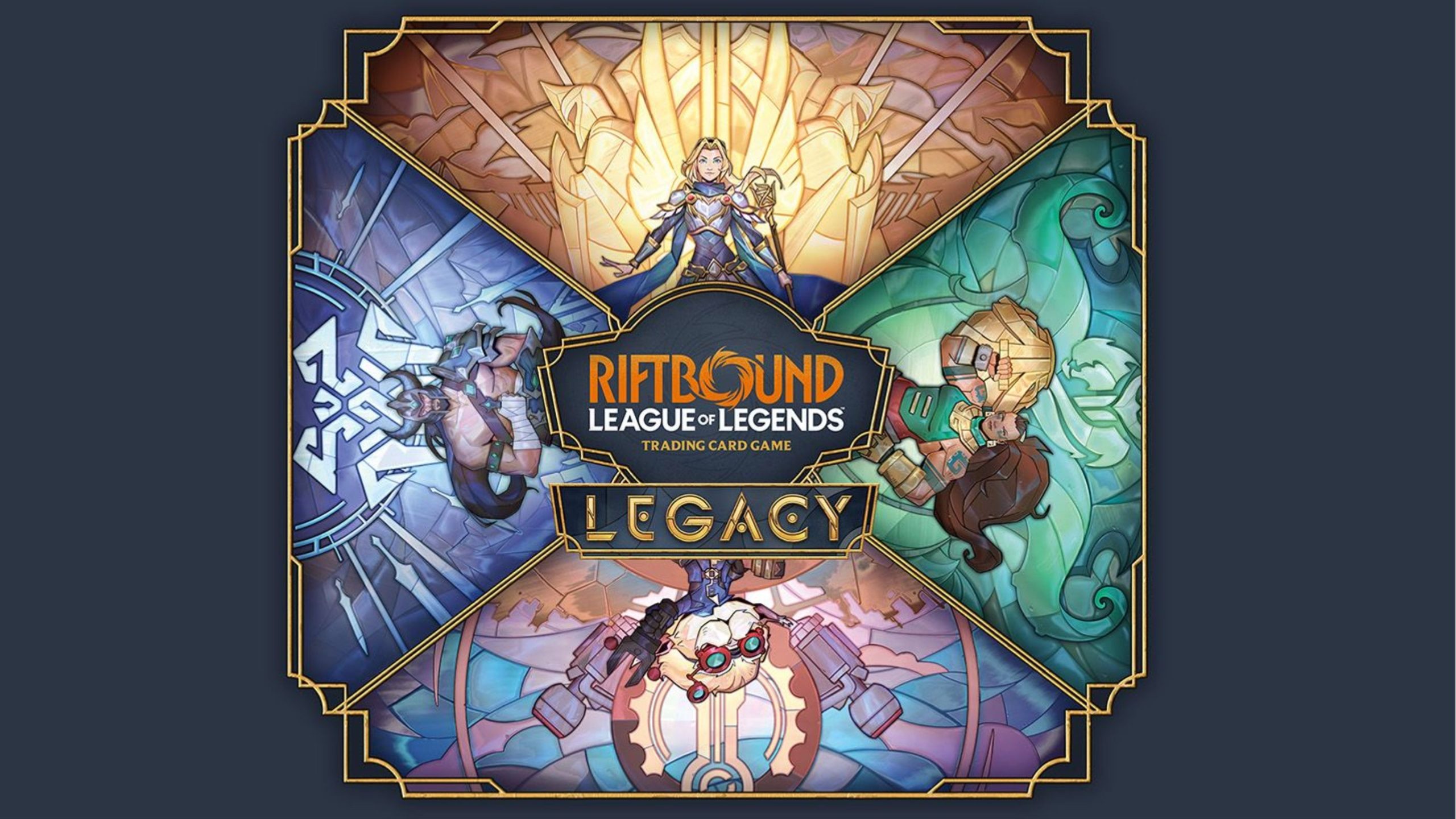
Beyond the rarity changes, Riot Games also provided details about Riftbound’s fifth expansion set, titled Legacy. While specific card reveals remain limited, early information suggests that Legacy will introduce new mechanical systems that complement the existing gameplay framework while honoring the rich lore of the League of Legends universe. The set is expected to feature champions and storylines that span multiple eras of Runeterra’s history, potentially including characters and events that have only been referenced in supplementary materials until now.
Community response to these announcements has been largely positive, with many players expressing enthusiasm about the increased accessibility of powerful card types. Competitive players have noted that the changes could lead to more diverse tournament metagames, as budget constraints will no longer prevent aspiring competitors from constructing optimal deck configurations. Content creators and streamers who focus on Riftbound have already begun speculating about how these changes might affect their deck-building guides and tier list evaluations once the new policies take effect.
Looking Ahead to 2027 and Beyond
As Riftbound continues to evolve, these announcements demonstrate Riot Games’ willingness to make bold structural changes in service of long-term game health and player satisfaction. The combination of rarity adjustments and new content through the Legacy set positions 2027 as potentially the most transformative year in the game’s history. Players and collectors should expect additional announcements in the coming months as Riot Games continues to reveal their comprehensive roadmap for Riftbound’s future development, competitive scene support, and organized play initiatives that will accompany these fundamental changes to the game’s economy.
Expert Opinion: This rarity restructuring signals a maturing approach to digital-physical TCG economics, where sustainable player bases outweigh short-term scarcity-driven profits. Riot’s move may pressure competitors to follow suit, potentially triggering an industry-wide shift toward accessibility-first design philosophies. Expect Legacy to introduce chase variants or alternate art versions that maintain collector appeal while keeping gameplay-essential cards democratically available.