
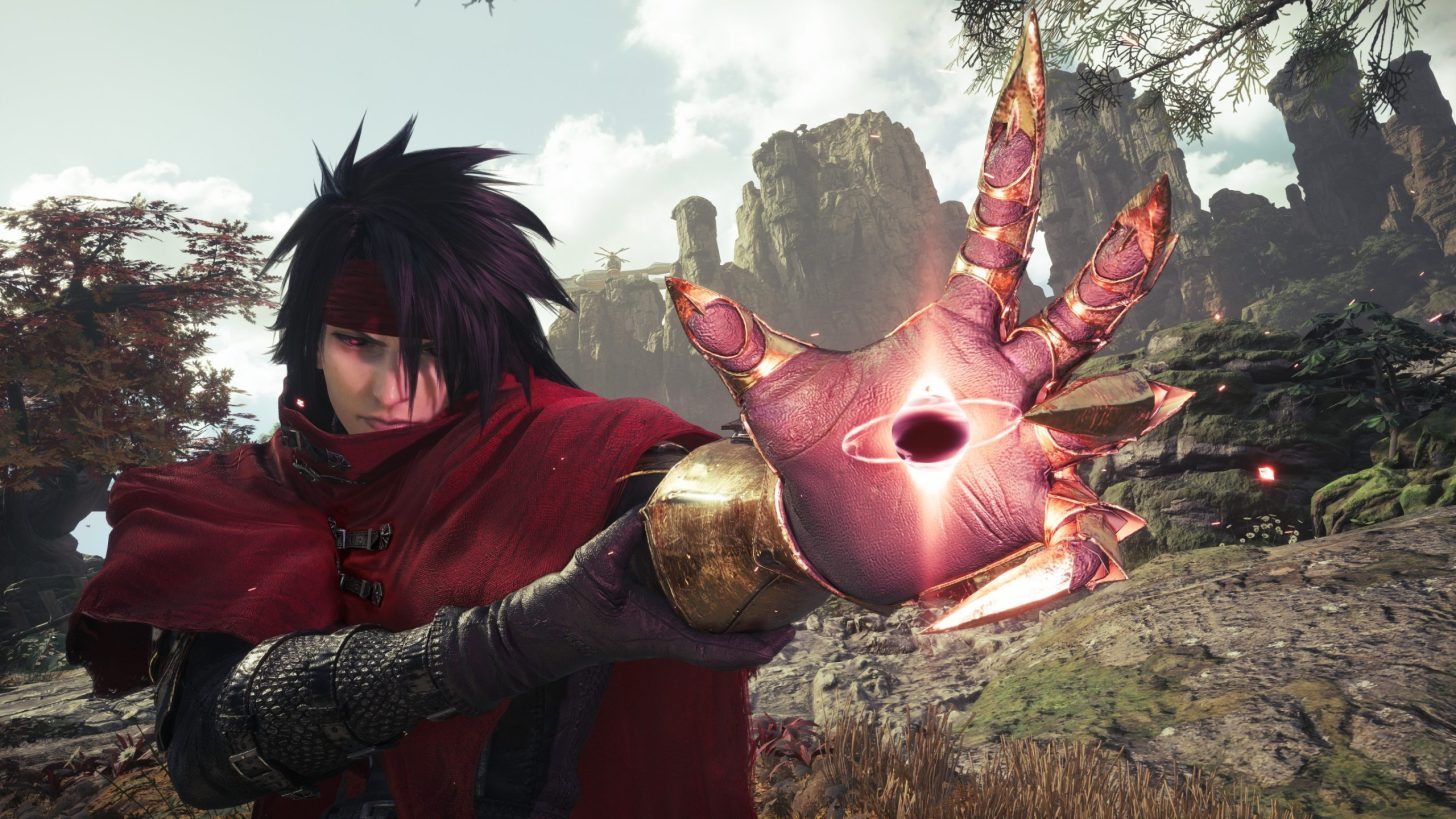
In a remarkable feat of digital archaeology, a video game preservationist known as Yuvi has successfully recovered and restored Dirge of Cerberus: Lost Episode, a long-forgotten Final Fantasy VII spin-off that had been considered lost to time for nearly two decades. The recovery effort required extraordinary computational resources, including a 90-GPU server farm and approximately $900 in processing costs, highlighting both the technical challenges of mobile game preservation and the dedication of the gaming community to saving digital history.
The original Final Fantasy VII, released in 1997 for the Sony PlayStation, became a landmark title in gaming history, selling over 14 million copies worldwide and introducing millions of Western players to Japanese role-playing games. Its success prompted Square Enix to expand the game’s universe through what became known as the “Compilation of Final Fantasy VII,” a multimedia project that included films, novels, and several video game spin-offs. Among these were Crisis Core: Final Fantasy VII for the PlayStation Portable, Dirge of Cerberus: Final Fantasy VII for the PlayStation 2, and Before Crisis: Final Fantasy VII, a mobile title centered on the Turks organization.
The Challenge of Mobile Game Preservation
Dirge of Cerberus: Lost Episode was released in 2006 exclusively for mobile phones in North America, serving as a companion piece to the PlayStation 2 game of the same name. Unlike modern mobile games distributed through app stores, games from this era were typically sold through carrier-specific services like Verizon’s V CAST or Sprint’s content portal. When these services shut down and phones became obsolete, the games they hosted effectively vanished from existence. The proprietary nature of early mobile platforms, combined with aggressive digital rights management systems, made these titles nearly impossible to preserve through conventional means.
The recovery process undertaken by Yuvi represents a significant technical achievement in the field of game preservation. Breaking through the encryption and security measures protecting these old mobile titles requires immense computational power, which explains the need for a 90-GPU server farm. Graphics processing units, originally designed for rendering video game graphics, have become essential tools for cryptographic operations due to their ability to perform massive parallel calculations. The $900 investment in cloud computing resources demonstrates that preserving digital history often comes with real financial costs that dedicated preservationists must shoulder personally.
Why Preservation Matters for Gaming History
The timing of this recovery is particularly significant as Square Enix continues to revisit and remake the Final Fantasy VII universe. The company released Final Fantasy VII Remake in 2020, followed by Final Fantasy VII Rebirth in 2024, introducing the beloved story to a new generation of players. Crisis Core also received a remaster in 2022 with Crisis Core: Final Fantasy VII Reunion. However, several mobile entries in the compilation, including Before Crisis and Lost Episode, remained inaccessible to fans who wanted to experience the complete narrative tapestry of the Final Fantasy VII universe.
Game preservation has become an increasingly important concern within the gaming industry and among enthusiasts. Unlike films or books, which can be relatively easily archived and redistributed, video games often depend on specific hardware, software ecosystems, and online services that become obsolete. The Video Game History Foundation and similar organizations have estimated that approximately 87% of games released before 2010 are no longer commercially available, making them essentially extinct for new players. Efforts like Yuvi’s work on Lost Episode represent grassroots attempts to combat this digital decay and ensure that gaming’s artistic and cultural heritage survives for future generations.
The Future of Digital Game Recovery
The successful recovery of Dirge of Cerberus: Lost Episode opens possibilities for similar preservation efforts targeting other lost mobile games from the same era. Many beloved franchises released mobile spin-offs during the mid-2000s that have since become completely inaccessible. The techniques developed and refined during this project could potentially be applied to recover other digital artifacts, though each game presents its own unique technical challenges. As cloud computing becomes more accessible and affordable, the barrier to entry for such preservation work may gradually lower, enabling more enthusiasts to contribute to saving gaming history.
For fans of Final Fantasy VII, the recovery of Lost Episode fills a gap in the franchise’s expanded universe that many thought would remain empty forever. While Square Enix has shown willingness to revisit and remake major entries in the compilation, smaller mobile titles rarely receive such treatment from publishers. The work of independent preservationists like Yuvi ensures that even the most obscure corners of gaming history can be documented and experienced, preserving the creative work of developers and the cultural moments these games represented for the players who originally enjoyed them.
Expert Opinion: This breakthrough in mobile game preservation demonstrates both the growing sophistication of preservation techniques and the urgent need for industry-wide solutions to digital game accessibility. As computational costs continue to decrease while preservation expertise increases, we may see a wave of similar recoveries in the coming years. However, the gaming industry should take note: the fact that passionate individuals must spend hundreds of dollars cracking their own legitimate purchases highlights a systemic failure in how digital content is protected and preserved for posterity.