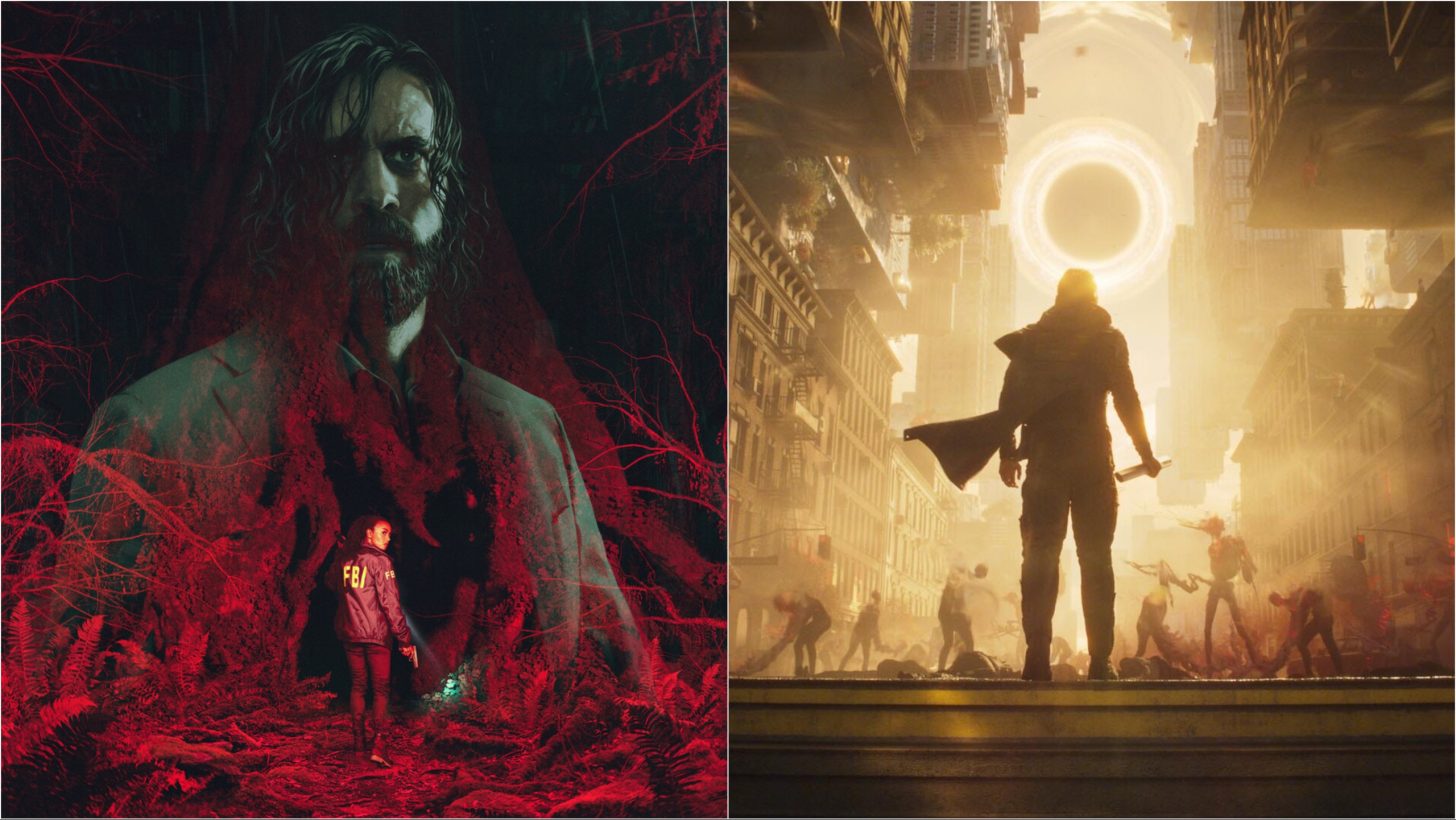

In a significant blow to Tencent’s ambitions in the Western gaming market, the Chinese tech giant’s highly anticipated open-world crime game “Last Sentinel” has effectively collapsed after six years of troubled development. According to a detailed report by Bloomberg’s Jason Schreier, approximately 80 employees at Lightspeed LA, the California-based studio developing the title, were laid off this week. The project, which was designed to compete directly with Rockstar Games’ legendary Grand Theft Auto franchise, now appears to be in terminal decline, though Tencent has disputed characterizations that the project has been completely shut down.
The studio behind the ambitious project, Lightspeed LA, was established in late 2019 and early 2020 in Irvine, California, with considerable fanfare in the gaming industry. Steve Martin, the former head of Rockstar San Diego who had worked on iconic titles including the Red Dead Redemption series, founded the studio with the explicit goal of creating a AAA open-world experience that could challenge the dominance of Grand Theft Auto in the crime game genre. Tencent, the world’s largest gaming company by revenue, provided substantial backing for the venture, viewing it as a strategic opportunity to establish a stronger foothold in Western game development and compete with some of the industry’s most successful franchises.
A History of Development Challenges
The collapse of Last Sentinel represents one of the most high-profile failures in recent gaming industry history, highlighting the immense challenges involved in creating open-world games that can compete with established franchises. Grand Theft Auto V, released in 2013, has sold over 200 million copies and continues to generate billions in revenue through its online component, making it one of the most successful entertainment products ever created. Attempting to rival such a phenomenon requires not only massive financial investment but also exceptional talent, clear creative vision, and years of focused development time.
Reports suggest that Last Sentinel’s development was plagued by numerous issues common to ambitious AAA projects, including scope creep, leadership challenges, and the inherent difficulty of building complex open-world systems from scratch. The COVID-19 pandemic, which hit just as Lightspeed LA was getting established, likely compounded these difficulties by forcing the newly formed team to work remotely during crucial early development phases. Building studio culture and fostering the kind of close collaboration necessary for complex game development became significantly more challenging during the pandemic years, affecting studios across the industry.
Tencent’s Western Expansion Strategy Under Scrutiny
The failure of Last Sentinel raises serious questions about Tencent’s strategy for expanding its influence in Western game development. While the company has successfully acquired stakes in numerous established studios, including Epic Games, Riot Games, and Supercell, building original AAA content from scratch in the West has proven far more challenging. Tencent’s Lightspeed Studios division, of which Lightspeed LA was a part, has found considerable success with mobile titles and its work on PUBG Mobile, but translating that success to console and PC AAA development requires different expertise and infrastructure.
Industry analysts have long noted that creating games capable of competing with Rockstar’s output is extraordinarily difficult. Rockstar Games has spent decades building proprietary technology, cultivating specialized talent, and developing the institutional knowledge necessary to create worlds as detailed and immersive as those in Grand Theft Auto and Red Dead Redemption. Even well-funded competitors with experienced leadership have struggled to match this standard, as evidenced by the relatively limited number of successful open-world crime games on the market despite the genre’s obvious commercial appeal.
Impact on Employees and the Broader Industry
The approximately 80 employees affected by this week’s layoffs now join thousands of other gaming industry workers who have lost their jobs during the ongoing contraction in the sector. The video game industry has experienced widespread layoffs since 2023, with major companies including Microsoft, Sony, Electronic Arts, and countless smaller studios reducing their workforces. These cuts have affected experienced developers across all disciplines, from programming and art to design and quality assurance, creating significant uncertainty in what was once considered one of the more stable sectors of the technology industry.
For the employees of Lightspeed LA, many of whom relocated to California specifically to work on Last Sentinel, the layoffs represent both a professional setback and a personal disruption. The Southern California gaming industry, while still substantial, has also been affected by broader industry trends, potentially making it more difficult for displaced workers to find comparable positions locally. The loss of experienced talent who had been working on cutting-edge open-world technology also represents a setback for the industry’s collective knowledge base, as institutional expertise disperses when studios close or significantly downsize.
Expert Opinion: The collapse of Last Sentinel underscores a harsh reality in modern game development: even billions in backing cannot guarantee success when competing against entrenched franchises with decades of accumulated expertise. Tencent’s setback may prompt the company to reconsider organic Western AAA development in favor of further acquisitions of established studios. The broader implication for the industry is clear—the barrier to entry for competing at the highest levels of open-world game development continues to rise, potentially leading to even greater market concentration around a handful of dominant players.