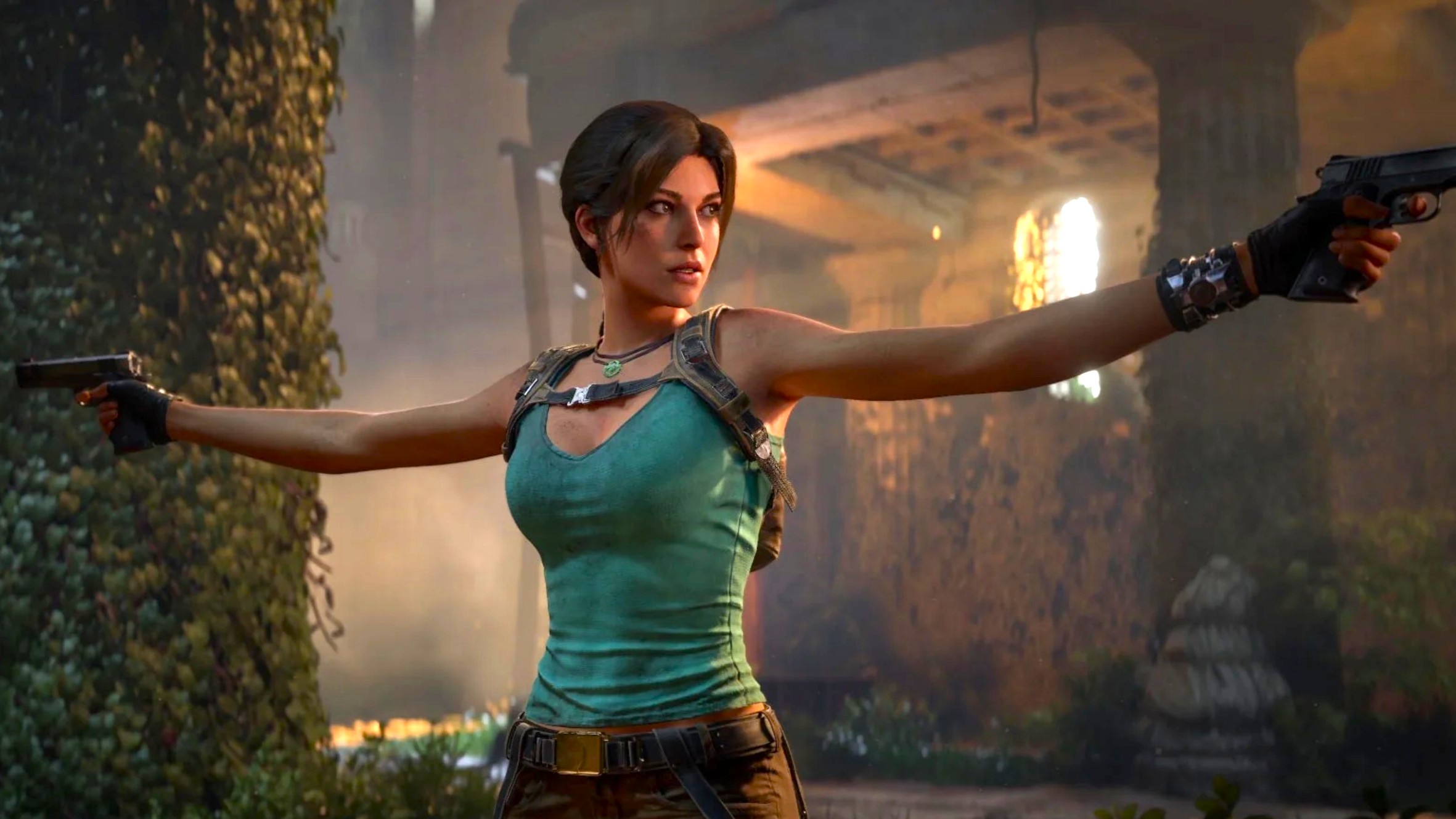
The gaming world continues to buzz with excitement as Flying Wild Hog unveils more tantalizing details about Tomb Raider Legacy of Atlantis, the highly anticipated remake of Lara Croft’s original adventures. Despite a delay pushing the release back several months, the development team has been remarkably transparent about their creative process, releasing multiple behind-the-scenes documentaries since the game’s prominent showcase at Summer Game Fest 2026. The latest making-of video, focusing specifically on the game’s traps and puzzles, may be the most compelling look yet at what fans can expect when they step into Lara’s boots once again.
The Tomb Raider franchise has maintained its legendary status in gaming history since the original title launched in 1996, revolutionizing the action-adventure genre and introducing players to one of gaming’s most iconic protagonists. Core Design’s initial vision combined exploration, puzzle-solving, and deadly environmental hazards in ways that had never been seen before, creating a template that countless games would attempt to emulate. Now, nearly three decades later, Flying Wild Hog in partnership with Crystal Dynamics and Amazon Game Studios is working to recapture that magic while bringing the experience into the modern era with contemporary graphics, refined controls, and enhanced gameplay mechanics.
Puzzles Rooted in History and Mythology
One of the most fascinating revelations from the latest development diary concerns how the team has approached puzzle design across different geographical locations. Creative Director Michal Kuk from Flying Wild Hog explains that puzzles in the Greek sections will have “a strong link with mythology,” drawing inspiration from specific events or individual Greek gods to create challenges that feel authentically connected to their settings. Meanwhile, the Egyptian levels will take a distinctly different approach, focusing more heavily on physics-based puzzles that reflect the engineering marvels of ancient civilization. “It’s mythology versus engineering,” Kuk summarizes, highlighting the thematic diversity players will encounter throughout their journey.
This approach represents a thoughtful evolution from both the original game and the more recent reboot trilogy. Jason Epps, Design Director at Crystal Dynamics, emphasized the team’s commitment to making puzzles more engaging and meaningful. “We have done everything to invest ourselves in these puzzles, and to make them much more interesting,” Epps stated, confirming that certain classic puzzles will be reimagined for this remake. Perhaps most significantly for longtime fans, the visual clutter and excessive hand-holding that characterized the 2013-2018 reboot trilogy will be notably absent from Legacy of Atlantis.
The Return of Deadly Traps
Lead Designer Radu Bogos delivered welcome news for fans who felt the recent Tomb Raider games had become too forgiving. “You will need to observe everything carefully. We have not added flashing icons to warn you: ‘This can kill or hurt you,'” Bogos promised, signaling a return to the franchise’s roots where environmental awareness and careful exploration were essential survival skills. This philosophy extends to the game’s approach to deadly traps, which Bogos describes using a memorable analogy: “Traps are like carrots. Enemies are the guards, and traps are the executioners.”
The development team has made it clear that traps will play “a central role in the atmosphere” of Legacy of Atlantis, becoming increasingly “deadly, precise, and exact” as players progress through the adventure. In a nod to the gruesome consequences that made the original games so memorable, the remake will sometimes show players exactly what fate awaits them should they fail to navigate these hazards successfully. Bogos elaborated on this approach, explaining that environmental storytelling will help integrate these dangers into the game world organically. “Sometimes, we add elements to enrich the universe and some discreet narrative details, where you see the consequences of solving the puzzle. For us, these are small elements that combine aspects of the level with those of the universe that make these traps more realistic,” he shared. “It’s a way of warning players.”
New Concept Art Showcases Reimagined Locations
While the latest making-of video didn’t include new gameplay footage, Flying Wild Hog compensated by revealing three stunning concept art pieces depicting locations in Greece and Egypt. These images demonstrate the significant reinterpretation work being done compared to both the 1996 original and 2007’s Tomb Raider Anniversary, which itself was a remake of the first game. The artistic direction suggests environments that honor the spirit of classic Tomb Raider while leveraging modern visual capabilities to create truly breathtaking archaeological adventure settings.
The anticipation surrounding Legacy of Atlantis reflects a broader hunger within the gaming community for experiences that prioritize exploration and puzzle-solving over combat-focused gameplay. The original Tomb Raider games succeeded precisely because they made players feel like genuine archaeologists uncovering ancient secrets, and this remake appears committed to recapturing that sense of discovery. With a confirmed release date of February 12, 2027, players on PlayStation 5, Xbox Series X|S, PC, and Nintendo Switch 2 won’t have to wait much longer to see whether Flying Wild Hog has successfully resurrected the classic Tomb Raider formula for a new generation of adventurers.
Expert Opinion: The deliberate removal of visual aids and the emphasis on environmental observation signals a confident bet that modern players are ready for more challenging, less hand-holding gameplay experiences. If Flying Wild Hog successfully balances nostalgic design philosophy with contemporary polish, Legacy of Atlantis could redefine expectations for how classic franchises should be revitalized, potentially influencing remake approaches across the industry for years to come.