In a landmark transaction that marks a significant shift in the video game industry landscape, Electronic Arts has officially completed its transition from a publicly traded company to a privately held entity. The gaming giant, known for blockbuster franchises spanning sports, action, and role-playing games, announced that its acquisition by a consortium of three major investment groups has successfully closed. This deal, valued at $55 billion, represents the largest all-cash sponsor take-private investment in corporate history, signaling a new era for one of gaming’s most influential publishers.
The acquisition, first announced in September of last year, brings together an unusual coalition of investors with diverse backgrounds and interests. The consortium consists of PIF (the Public Investment Fund of Saudi Arabia), Silver Lake (a prominent multi-billion-dollar technology investment firm), and Affinity Partners (a Miami-based investment firm founded by Jared Kushner, former White House senior advisor and son-in-law of President Donald Trump). Each partner brings unique resources and strategic perspectives to the table, though the combination has raised eyebrows among industry observers and gaming communities alike.
The Investment Partners Behind the Deal
The Public Investment Fund of Saudi Arabia has been steadily increasing its presence in the gaming industry over recent years, having already maintained a minor stake in EA for some time. PIF has invested heavily in gaming companies worldwide, including significant stakes in companies like Nintendo, Capcom, and Nexon, as part of Saudi Arabia’s Vision 2030 initiative to diversify the kingdom’s economy beyond oil dependence. Silver Lake, meanwhile, brings decades of experience in technology investments, having previously invested in companies such as Dell, Twitter, and Airbnb. Affinity Partners, the newest of the three firms, was founded in 2021 and has quickly established itself in the global investment landscape, though its involvement in this deal has drawn attention due to Kushner’s political connections.
Andrew Wilson, who continues as Chairman and CEO of Electronic Arts, expressed optimism about the company’s new direction in an official press release. “This moment recognizes the extraordinary people whose creativity, ambition and passion have made EA one of the world’s leading interactive entertainment companies,” Wilson stated. “We’re entering this next chapter from a position of strength with partners who share our vision and ambition. Together, we’ll invest boldly, accelerate creativity and innovation, and build the next generation of games and experiences for the hundreds of millions of players and fans who inspire us every day.”
Financial Implications for Shareholders
The completion of this historic transaction has immediate financial implications for EA’s former stockholders. Those who approved the acquisition during last December’s vote received $210 in cash for each share of EA common stock they held at closing. This represents a substantial premium over the company’s trading price at the time the deal was announced. Following the transaction’s completion, EA’s stock has been officially delisted from the NASDAQ exchange, ending the company’s run as a publicly traded entity that began with its initial public offering in 1989. For over three decades, EA operated under the scrutiny of public markets, but the company will now have the flexibility to make long-term strategic decisions without quarterly earnings pressure from Wall Street.
Electronic Arts has a storied history in the gaming industry, having been founded in 1982 by Trip Hawkins, a former Apple employee. The company pioneered many aspects of modern game publishing and development, growing from a small startup to one of the largest video game companies in the world. Throughout its history, EA has acquired numerous development studios and built franchises that have become cultural touchstones, including The Sims, Battlefield, FIFA (now EA Sports FC), Madden NFL, and Need for Speed. The company’s annual revenue consistently exceeds $7 billion, driven largely by its dominant position in the sports gaming market.
Uncertain Future for Studios and Projects
While EA’s core business appears stable, significant questions remain about the future direction of the company under private ownership. The company’s annual sports franchises—including Madden NFL, EA Sports FC, and NHL—are expected to continue their established release schedules without interruption. However, the fate of other studios and projects within the EA ecosystem remains uncertain. BioWare, the legendary studio behind Mass Effect and Dragon Age, is currently developing a fifth installment in the Mass Effect series, and fans are anxious to know whether this project will receive continued support. Similarly, Motive Studio’s highly anticipated Iron Man game, announced to much fanfare, faces an unclear path forward under the new ownership structure.
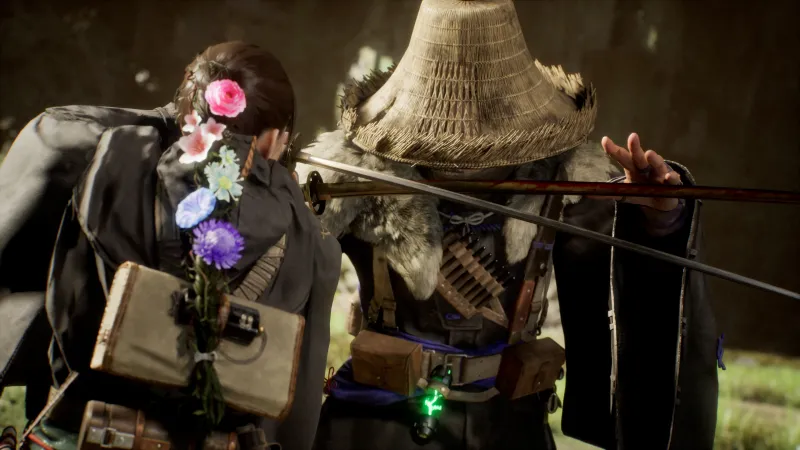
Respawn Entertainment, the studio responsible for the critically acclaimed Star Wars Jedi series, reportedly has a third title in development. The success of Jedi: Fallen Order and its sequel, Jedi: Survivor, has made this franchise one of EA’s most valuable non-sports properties. Looking ahead to 2026, EA has confirmed upcoming releases including Madden NFL 27, FC 27, NHL 27, and a new title called Star Wars Zero Company. The company also recently launched an advertising platform in June, promising “non-disruptive” brand integration in its games—a move that has generated mixed reactions from the gaming community concerned about increased commercialization of their gaming experiences. As the company embarks on this new chapter under private ownership, players and industry watchers alike will be closely monitoring whether the promised acceleration of creativity and innovation materializes or whether cost-cutting measures and restructuring become the primary focus.
Expert Opinion: The privatization of Electronic Arts represents a pivotal moment that could reshape industry dynamics for years to come. Private ownership typically allows companies to pursue longer development cycles and riskier creative projects without quarterly earnings pressure, but the involvement of sovereign wealth funds and politically connected investors introduces variables that traditional gaming industry acquisitions have not faced. The key indicator to watch will be whether EA maintains its current studio portfolio and project pipeline through 2026, or whether we see significant consolidation as the new owners seek returns on their historic $55 billion investment.