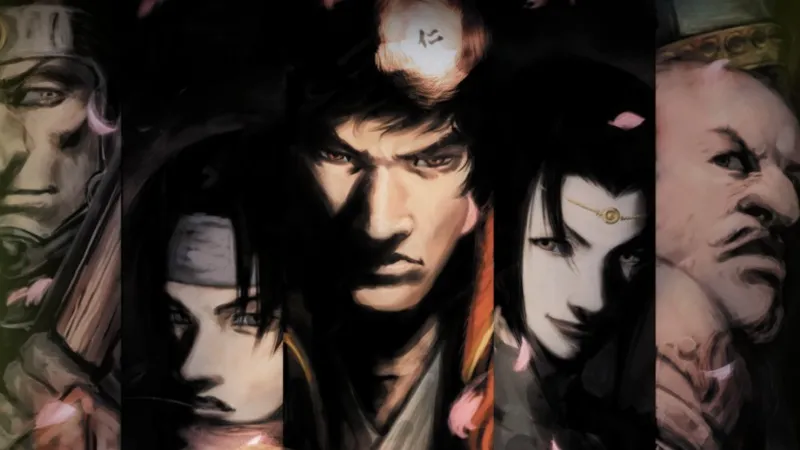
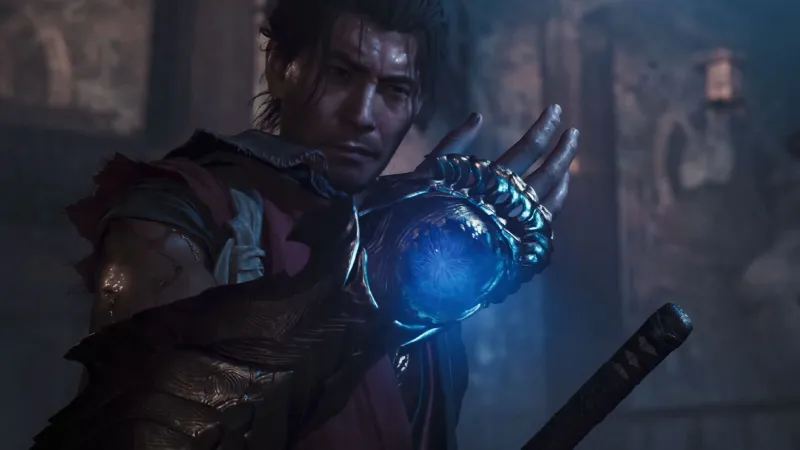
After two decades of silence, Capcom’s beloved Onimusha franchise is finally making its triumphant return to the gaming world. Onimusha: Way of the Sword is set to launch on September 4, bringing with it the series’ signature blend of intense swordplay action, demonic hordes, and samurai heroism. While longtime fans will recognize many familiar elements, including the iconic Oni Gauntlet, the game introduces several compelling new features that promise to reinvigorate the franchise for a new generation of players. Among these additions is a mysterious woman named Shizuka, who resides within the protagonist’s mystical gauntlet and appears poised to play a crucial role in the unfolding narrative.
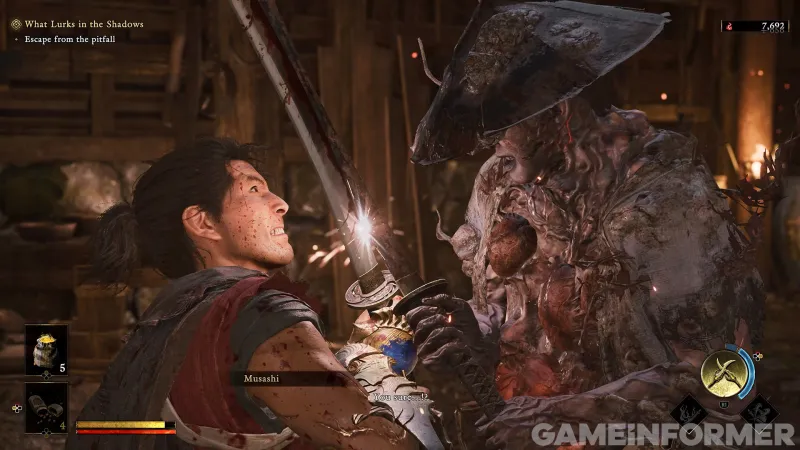
The game takes place during the early Edo period and is set in Kyoto, featuring an innovative “open-town” section that allows players to explore this historically significant Japanese city. At the center of the adventure is legendary samurai Miyamoto Musashi, whose character design draws inspiration from the likeness of the late Toshirō Mifune, one of Japan’s most celebrated actors known for his iconic roles in Akira Kurosawa’s samurai films. This creative decision pays homage to both Japanese cinema history and the martial arts legacy that the Onimusha series has always celebrated.
A Reluctant Hero And His Unwanted Power
Unlike previous Onimusha protagonists such as Samanosuke Akechi from Onimusha: Warlords and Jūbei Yagyu from Onimusha 2: Samurai’s Destiny, Musashi has a fundamentally different relationship with the Oni Gauntlet. While earlier heroes welcomed the supernatural powers bestowed upon them, Musashi actively despises the additional strength the gauntlet provides. As a warrior dedicated to becoming Japan’s greatest swordsman through skill alone, he views the mystical enhancement as an unwanted crutch. “Musashi is a hero who wants to rise to the top on his own strengths, so him being paired with the gauntlet – this power that he doesn’t want – we thought, provides an interesting contrast to the previous heroes we’ve had,” explained Way of the Sword director Satoru Nihei in a recent interview at Capcom’s Osaka headquarters.
The historical Miyamoto Musashi was indeed a legendary figure in Japanese martial arts history, known for his undefeated record in his 61 duels and his philosophical treatise on strategy, “The Book of Five Rings.” By grounding the fictional character in this historical context, Capcom has created a protagonist whose personal code of honor and self-reliance creates immediate dramatic tension with the supernatural elements central to the Onimusha experience. Though the exact circumstances of how Musashi acquires the Oni Gauntlet remain unclear, his primary motivation involves collecting Genma souls in hopes of removing the artifact from his arm permanently.
Shizuka: More Than Just A Game Design Solution
The character of Shizuka emerged from both narrative necessity and practical game design considerations. Lead writer Hiroshi Yamashita revealed that creating an accessible experience for global audiences unfamiliar with Kyoto’s historical setting presented unique challenges. “On a game design level, with the setting of Kyoto, not everyone is familiar with the setting, especially a global audience,” Yamashita explained. “When we were making the game, with Musashi coming to Kyoto on his own, we kind of wondered, ‘How are we going to convey a lot of that information to players?’ We thought we could just have Musashi walk in the streets, talking and mumbling to himself, but that would be very unnatural and strange. So that’s where the idea of having a support character like Shizuka came from.”
However, the development team was determined to ensure Shizuka served a purpose beyond simple exposition. According to Yamashita, there is a specific narrative reason for her presence within the gauntlet. “Something happens to her and she ends up escaping to the gauntlet, so she is in this position where she has something that she wants to achieve, she has a goal, but she doesn’t have a physical form, she can’t fight for herself, and so she’s having to entrust Musashi with this duty.” This creates an interesting dynamic where both characters need each other despite initial resistance, with Shizuka apologizing for drawing Musashi into her predicament while simultaneously requiring his physical capabilities to achieve her own liberation.
An Evolving Relationship At The Heart Of The Story
The relationship between Musashi and Shizuka begins with considerable friction, reflecting Musashi’s general distaste for relying on anything beyond his own abilities. Yamashita confirmed that the two characters are “quite distant with each other in the beginning of Way of the Sword, butting heads often.” However, as the story progresses, their dynamic evolves in meaningful ways. Early impressions from gameplay sessions suggest hints of something developing between them – whether camaraderie, romance, or something entirely different remains to be seen. What’s clear is that Shizuka is “quite key to the story itself,” suggesting her role extends far beyond simple tutorial guidance.
The development team was acutely aware of the potential pitfalls associated with companion characters in video games, where poorly implemented partners can become sources of player frustration rather than narrative engagement. Yamashita acknowledged that the team studied other game companions extensively to understand what makes them successful or annoying. Early hands-on impressions from extended play sessions at Capcom’s headquarters indicate that Shizuka avoids falling into common companion traps, maintaining a presence that enhances rather than detracts from the gameplay experience. As Musashi’s perspective on the gauntlet gradually shifts throughout the adventure, players can expect Shizuka to be instrumental in that character development.
Expert Opinion: Capcom’s decision to introduce Shizuka as both a narrative device and functional companion represents a sophisticated approach to game design that acknowledges modern players’ expectations for meaningful character relationships. The dynamic between a self-reliant warrior forced to depend on a supernatural companion creates inherent dramatic tension that could elevate Onimusha: Way of the Sword beyond simple action gameplay into genuinely compelling storytelling territory, potentially setting a new benchmark for the franchise’s return after its twenty-year absence.