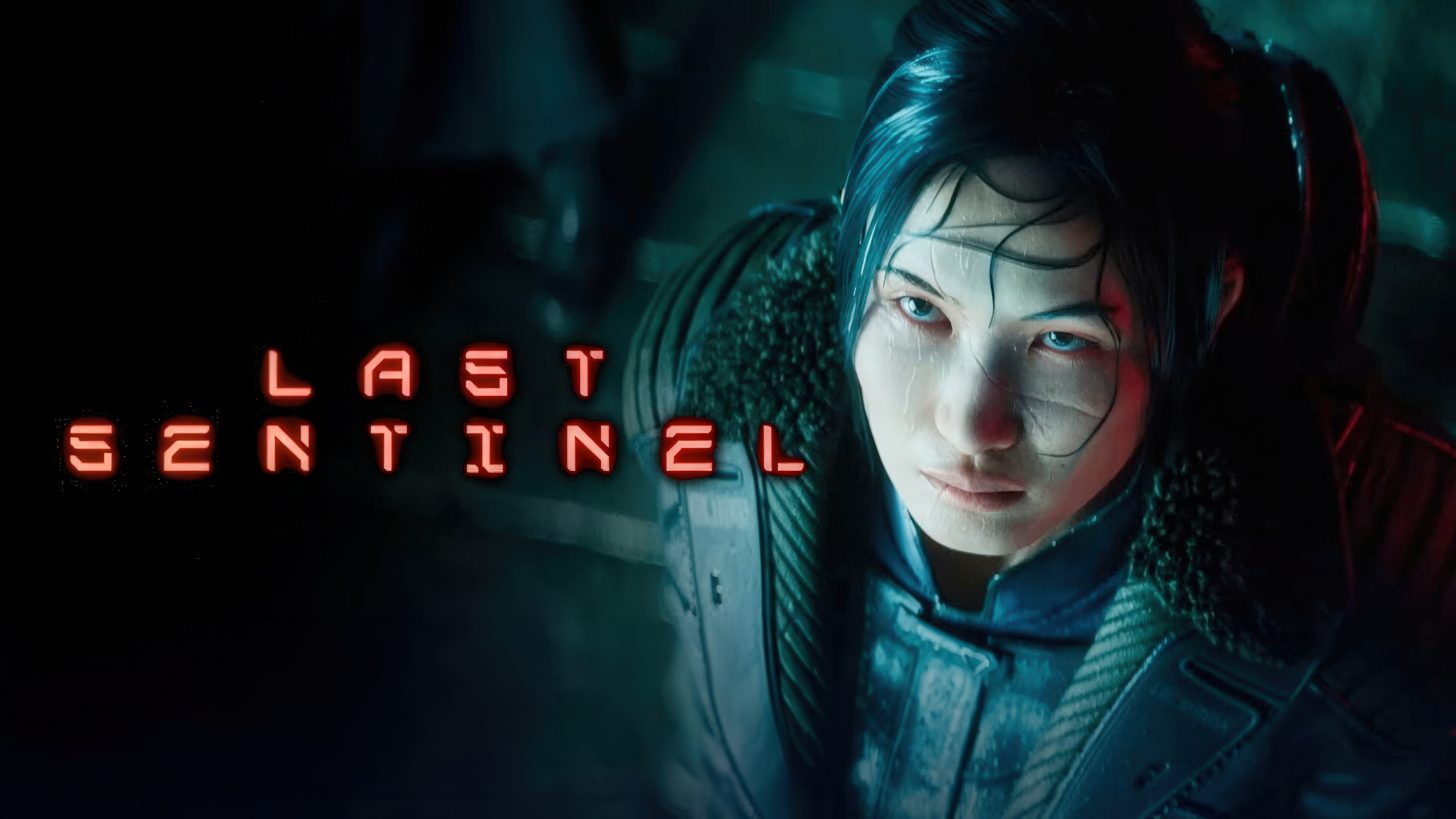
In a move that has stunned the gaming community, Netflix has announced the closure of Night School Studio, the acclaimed developer behind the supernatural thriller Oxenfree, merely six weeks after the studio released its final project Unhinged on the streaming platform. The California-based studio, which Netflix acquired in 2022 as part of its ambitious push into video games, becomes the latest casualty in the company’s ongoing restructuring of its gaming division. Alongside Night School, Netflix is also shuttering Moonloot, a Helsinki-based studio that the streaming giant founded in 2022, marking a significant retreat from its internal game development ambitions.
The timing of Night School’s closure has raised eyebrows across the industry. Unhinged, a short first-person horror game specifically designed for Netflix’s streaming technology, had only been available to subscribers for approximately six weeks before the studio’s fate was sealed. This abrupt shutdown suggests that Netflix may have already made the decision to close the studio before or shortly after the game’s launch, leaving many to wonder about the internal metrics and decision-making processes that led to this outcome. The company has confirmed that jobs are being cut from its internal games team as part of this restructuring, though it has declined to specify exactly how many positions are affected.
The Rise and Fall of Night School Studio
Night School Studio rose to prominence in 2016 with the release of Oxenfree, an award-winning supernatural adventure game that captivated players with its atmospheric Pacific Northwest island setting, innovative dialogue system, and branching narrative conversations. The game received widespread critical acclaim for its unique approach to storytelling, where players could interrupt and participate in natural-flowing conversations rather than waiting for predetermined dialogue options. Oxenfree’s success established Night School as a creative force in the indie gaming space, known for prioritizing narrative depth and atmospheric tension over conventional gameplay mechanics. The studio followed up with Afterparty in 2019, another narrative-driven adventure that tasked players with out-drinking Satan to escape hell, further cementing their reputation for unconventional storytelling.
Netflix’s acquisition of Night School Studio in September 2021 was seen as a major statement of intent for the streaming giant’s gaming ambitions. At the time, Netflix described the acquisition as a way to build its creative capabilities for gaming, with Night School being the first game studio the company had ever purchased. The studio went on to develop Oxenfree II: Lost Signals, which launched in 2023 to positive reviews, continuing the supernatural narrative that had made the original game so beloved. However, despite the creative success, the business realities of Netflix’s gaming division appear to have shifted dramatically over the past year.
Netflix’s Troubled Gaming Ambitions
Netflix’s foray into video games began in earnest in 2021, when the company started adding mobile games to its subscription service at no additional cost. The strategy was intended to add value for subscribers and differentiate Netflix from competitors in an increasingly crowded streaming market. Over the following years, Netflix invested heavily in both acquisitions and internal studio development, purchasing studios like Night School and Boss Fight Entertainment while also founding new development teams. However, engagement with Netflix’s gaming offerings has reportedly been modest, with many subscribers unaware that games are even included in their subscription.
The closure of Night School and Moonloot follows layoffs that affected Netflix’s gaming division last year, indicating a broader pattern of retrenchment. Industry analysts suggest that Netflix may be reassessing the return on investment for its gaming strategy, particularly for internal development teams that require sustained funding over long development cycles. The company appears to be shifting toward a model that relies more heavily on licensing existing games and partnering with external developers rather than maintaining costly in-house studios. This approach mirrors strategies employed by other tech giants who have similarly scaled back ambitious gaming initiatives after failing to achieve expected results.
Industry Impact and Future Outlook
The closure of Night School Studio represents not just a business decision but the loss of a genuinely innovative creative voice in gaming. The studio’s approach to narrative design influenced numerous other games and established new conventions for how interactive stories could be told. For the talented developers who created Oxenfree and its subsequent titles, the sudden shutdown means searching for new opportunities in a gaming industry that has experienced significant turbulence over the past two years, with major layoffs affecting companies from Microsoft to Electronic Arts. The fate of Night School’s intellectual properties, including the Oxenfree franchise, remains unclear, though Netflix presumably retains ownership following the acquisition.
As Netflix continues to refine its gaming strategy, the shutdown serves as a reminder of the challenges facing tech companies entering the gaming space. Game development requires long-term commitment, substantial investment, and patience that may conflict with the quarterly performance metrics that drive publicly traded companies. Whether Netflix’s remaining gaming efforts will prove more sustainable remains to be seen, but for fans of Night School’s distinctive storytelling approach, the studio’s closure marks the end of an era in indie game development.
Expert Opinion: Netflix’s rapid closure of Night School Studio just weeks after releasing their final game suggests the streaming giant may be fundamentally rethinking its gaming strategy rather than simply trimming costs. This pattern of acquiring creative studios only to shutter them after limited output indicates that Netflix has yet to find a sustainable model for gaming that aligns with its core streaming business. Industry observers should expect further consolidation of Netflix’s gaming division, with a likely pivot toward licensing established franchises rather than nurturing original creative development.