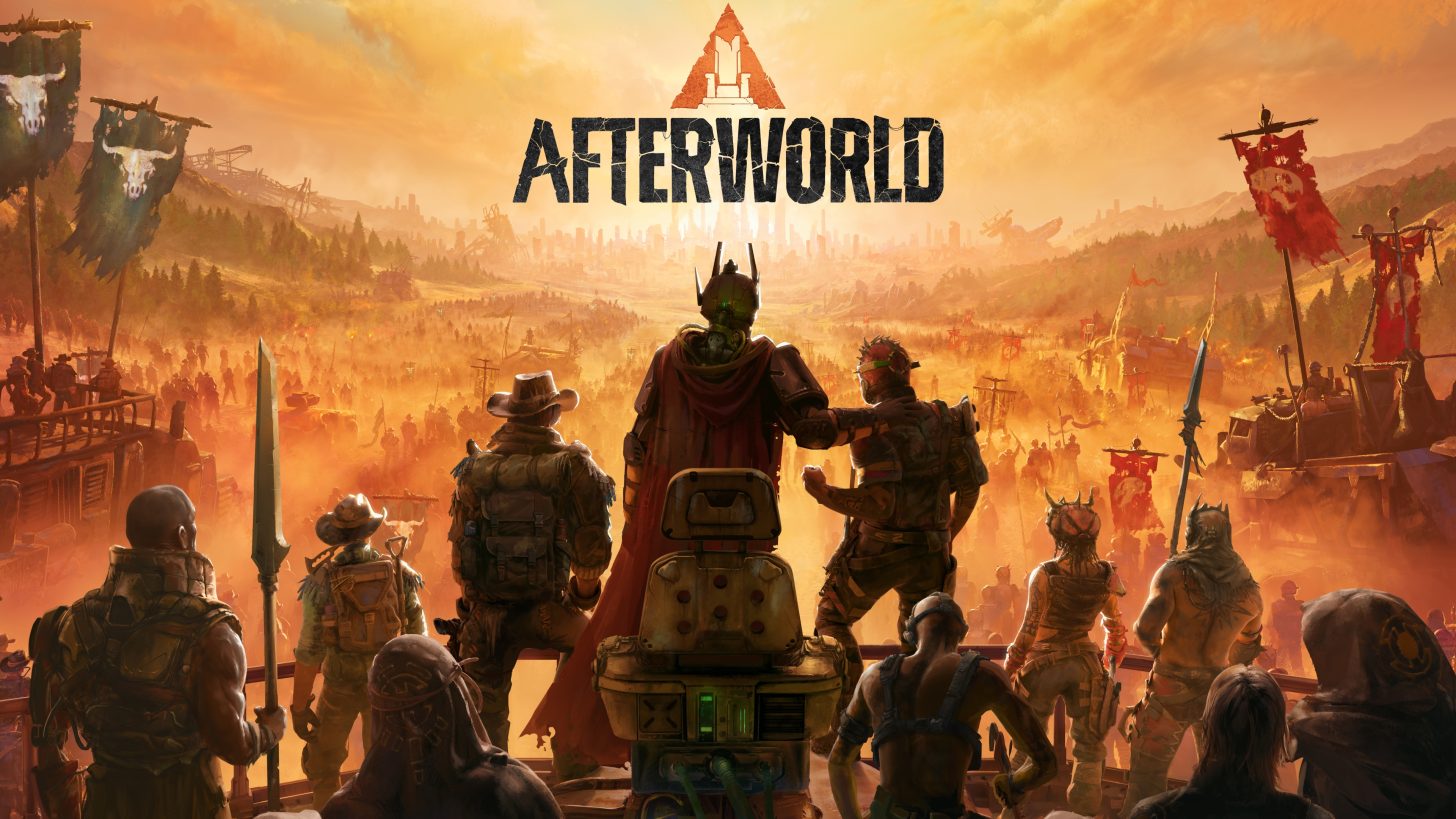
Swedish video game publisher Paradox Interactive has officially announced Afterworld, an ambitious new grand strategy title that marks a significant departure from the company’s traditional historical and fantasy settings. Revealed during Gamescom 2025, one of the world’s largest gaming conventions held annually in Cologne, Germany, the game introduces players to a devastated North American landscape where survival and empire-building collide in dramatic fashion. Developed by Paradox Development Studio, the in-house team behind legendary titles like Crusader Kings and Europa Universalis, Afterworld represents the company’s first original intellectual property in the post-apocalyptic genre, signaling a bold new creative direction for the studio.
The announcement has generated considerable excitement within the grand strategy gaming community, a genre that Paradox has dominated for over two decades. Afterworld promises to deliver the deep strategic gameplay and complex decision-making systems that fans have come to expect, while introducing entirely new mechanics centered around survival, resource scarcity, and the moral complexities of rebuilding civilization from the ashes. Players will guide a small group of survivors through hazardous terrain, navigate dangerous ruins filled with remnants of the old world, and confront both desperate newcomers and factions clinging to obsolete ideologies.
A New Frontier for Grand Strategy Gaming
Paradox Interactive has built its reputation on meticulously crafted historical simulations that span centuries of human history. From the medieval political intrigue of Crusader Kings to the world-conquering ambitions of Hearts of Iron, the company has consistently delivered experiences that blend deep strategic mechanics with compelling narratives. Afterworld appears to combine these proven gameplay elements with the survivalist themes that have captivated gaming audiences through titles like Fallout and The Last of Us, while maintaining the grand scope and complexity that defines Paradox’s portfolio. The game will challenge players to make difficult moral choices as they expand their influence across a continent-spanning empire, balancing immediate survival needs against long-term strategic objectives.
The post-apocalyptic setting opens up fascinating possibilities for gameplay innovation. Unlike historical grand strategy games where players work within established frameworks of nations and borders, Afterworld presents a blank slate where traditional power structures have collapsed entirely. This allows for dynamic faction creation, territory disputes based on resource availability rather than historical claims, and diplomatic relationships built on mutual survival rather than centuries of political precedent. Industry analysts suggest this creative freedom could attract players who have previously found historical grand strategy games intimidating due to their reliance on real-world knowledge.
Paradox Development Studio’s Legacy and Future Vision
Paradox Development Studio has been crafting grand strategy experiences since 2000, when they released Europa Universalis and essentially defined the modern grand strategy genre. Over the subsequent decades, the studio has refined its approach through numerous acclaimed titles, developing sophisticated systems for simulating politics, warfare, economics, and social dynamics. The studio’s games are renowned for their replayability, with players often investing thousands of hours exploring different strategies and alternate histories. Afterworld will likely inherit this design philosophy while adapting it to post-apocalyptic challenges such as radiation zones, resource depletion, and the gradual rediscovery of lost technology.
The timing of this announcement during Gamescom demonstrates Paradox’s confidence in the project and its potential to capture mainstream attention. While specific gameplay details and a release date remain undisclosed, the company has indicated that Afterworld is being developed exclusively for PC, staying true to the platform preferences of the grand strategy audience. The game joins an increasingly competitive landscape of post-apocalyptic titles while offering something genuinely unique: the scale and depth of continental empire-building combined with intimate survival mechanics. As climate anxiety and societal concerns continue to influence popular culture, Afterworld’s themes of rebuilding and renewal may resonate deeply with contemporary audiences seeking both escapism and reflection.
Expert Opinion: Paradox’s decision to venture into original post-apocalyptic territory represents a calculated risk that could significantly expand their audience beyond traditional grand strategy enthusiasts. By combining their proven empire-building mechanics with survival themes, they’re positioned to capture players from multiple gaming demographics. If Afterworld successfully balances accessibility with the strategic depth Paradox is known for, it could become a defining title that establishes an entirely new sub-genre of survival grand strategy games.