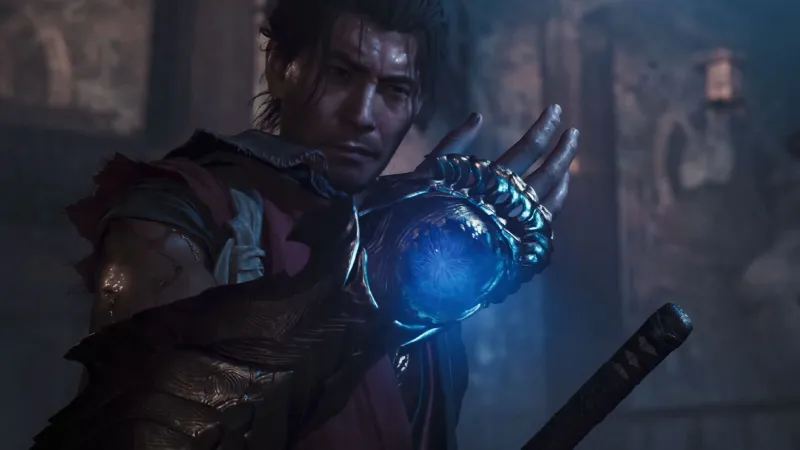
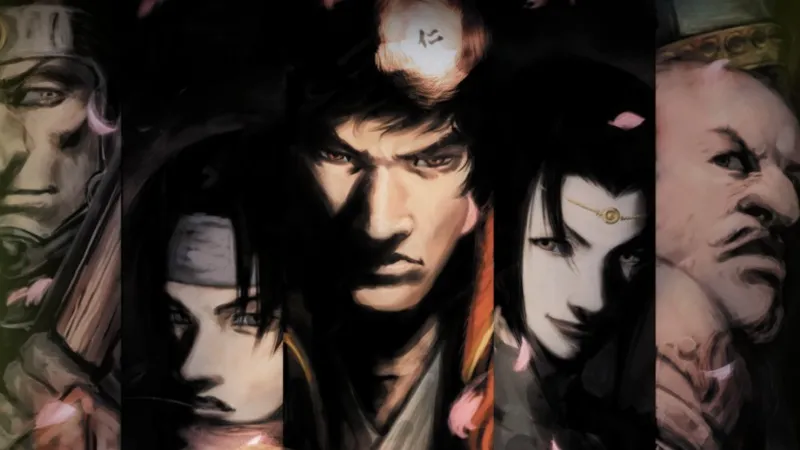
Capcom’s legendary samurai action franchise is making a triumphant return after two decades of silence, and with Onimusha: Way of the Sword gracing the cover of Game Informer, the timing seemed perfect to revisit the series’ origins with one of its key architects. Motohide Eshiro, who served as a planner on the original Onimusha: Warlords and later directed its acclaimed sequel Samurai’s Destiny, recently sat down to discuss the creative decisions that shaped these influential titles. While Eshiro isn’t directly involved with the upcoming Way of the Sword, his insights offer a fascinating glimpse into how Capcom crafted one of the most distinctive action franchises of the PlayStation 2 era.
Eshiro currently works as a producer at Capcom, though his role has evolved significantly over the years. Rather than leading projects himself, he now focuses on mentoring and supporting emerging producers across various Capcom titles. This transition from hands-on development to nurturing new talent reflects both his extensive experience and Capcom’s commitment to cultivating the next generation of game creators. His journey through the Onimusha series represents a microcosm of how many developers progress through their careers, moving from implementation roles to creative leadership and eventually to guidance positions.
The Resident Evil DNA: Understanding Onimusha’s “Sengoku Biohazard” Origins
For longtime fans of both franchises, the connection between Onimusha and Resident Evil has always been apparent, and Eshiro confirmed these suspicions during the interview. The original Onimusha: Warlords, released in 2001, earned the internal codename “Sengoku Biohazard” – a direct reference to Resident Evil’s Japanese title. The concept emerged when producers working on the Resident Evil series recognized the potential of their pre-rendered graphics technology for a different combat style. While Resident Evil emphasized gunplay and long-distance encounters, they wondered what could be achieved with close-range, melee-focused action. The Sengoku period, Japan’s era of Warring States spanning roughly 1467 to 1615, provided the perfect historical backdrop for sword-based combat, giving birth to what would become Onimusha.
This creative pivot wasn’t merely aesthetic – it fundamentally changed how players engaged with enemies. Resident Evil’s survival horror demanded resource management and careful aim, while Onimusha transformed players into swift swordsmen capable of devastating combos. The pre-rendered backgrounds served both games well, allowing for detailed, atmospheric environments that the PlayStation 2’s hardware couldn’t render in real-time. These fixed camera angles created cinematic tension in Resident Evil and dramatic flair in Onimusha’s sword duels. Eshiro joined Warlords after development had already begun, meaning many foundational decisions were established before his arrival, but his contributions as a planner helped refine the experience that would captivate millions of players.
Expanding the World: The Evolution from Warlords to Samurai’s Destiny
When Eshiro was promoted to director for Onimusha 2: Samurai’s Destiny in 2002, he saw an opportunity to dramatically expand upon the original’s foundation. While he praised Warlords as a “very complete package,” he also acknowledged its relative simplicity. The sequel’s development became an exercise in scale and emotional depth. The friendship system introduced in Samurai’s Destiny allowed players to forge relationships with ally characters, creating what Eshiro describes as “human drama” that helped players connect more deeply with the cast. This system influenced gameplay in meaningful ways, as different relationships could unlock various paths and outcomes throughout the adventure.
Visual improvements were equally important to the development team. The transition between the two games demonstrated Capcom’s growing mastery of the PlayStation 2 hardware, with more detailed character models and even more elaborate pre-rendered environments. Eshiro brought in renowned Japanese film director and character designer Keita Amemiya to design protagonist Jubei’s Oni Form – the demonic transformation that players could now activate at will rather than simply witnessing in cutscenes. The team recognized that players found the brief Oni Form appearance at the end of Warlords incredibly compelling, so they made it a central gameplay mechanic. Amemiya’s design captured exactly the “cool factor” Eshiro sought, resulting in one of the most visually striking transformations in action gaming history.
Legacy and Looking Forward: Why Onimusha Succeeded
The conversation took a lighter turn when discussing potential creative borrowing between Capcom franchises. When asked whether the Resident Evil 4 team might have taken inspiration from Onimusha 2’s jetski sequence, Eshiro diplomatically responded with doubt, though his professional restraint likely masked different thoughts. Similarly, the unusual inclusion of robots and televisions in Onimusha 2 – designs that came from Amemiya – was intended to push the dark fantasy elements while introducing touches of modernism that apparently resonated with 2002 sensibilities. Way of the Sword director Satoru Nihei confirmed that such anachronistic elements won’t appear in the new entry, suggesting a more grounded approach to the historical setting.
When reflecting on the original games’ success, Eshiro pointed to several convergent factors. The use of real-world celebrities and actors as character models was revolutionary for its time – Takeshi Kaneshiro’s likeness as Samanosuke in Warlords brought star power that few games could match. Combined with unique gameplay mechanics like the soul absorption system and the Chain Issen and Charge Issen techniques introduced in the sequel, Onimusha carved out a distinctive identity. Even players initially dismissing it as “Resident Evil with swords” quickly discovered how the swordplay mechanics and historical Japanese setting created something entirely fresh. Since 2001, the franchise has accumulated over 9 million copies sold, and Onimusha: Way of the Sword aims to significantly increase that number when it launches in September 2026.
Expert Opinion: The timing of Onimusha’s return couldn’t be more strategic. With the action genre having evolved significantly through titles like Dark Souls and Sekiro, Capcom has the opportunity to blend its classic mechanics with modern design sensibilities. The 20-year gap, while lengthy, may actually benefit the franchise by allowing it to feel fresh to both nostalgic fans and newcomers, potentially establishing Onimusha as Capcom’s answer to the souls-like movement while maintaining its unique samurai identity.