Netflix has officially shuttered two of its video game development studios, marking a significant retreat from its ambitious expansion into the gaming industry. The streaming giant confirmed the closure of Moonloot, a Helsinki-based studio that never released a single game, and Night School Studio, the acclaimed developer behind the critically praised supernatural thriller Oxenfree. Additionally, Netflix is cutting staff from its internal gaming division, though the company has declined to specify the exact number of positions being eliminated. This move comes after five years of aggressive investment in the gaming space, raising questions about the long-term viability of Netflix’s gaming ambitions.
The Rise and Fall of Night School Studio Under Netflix
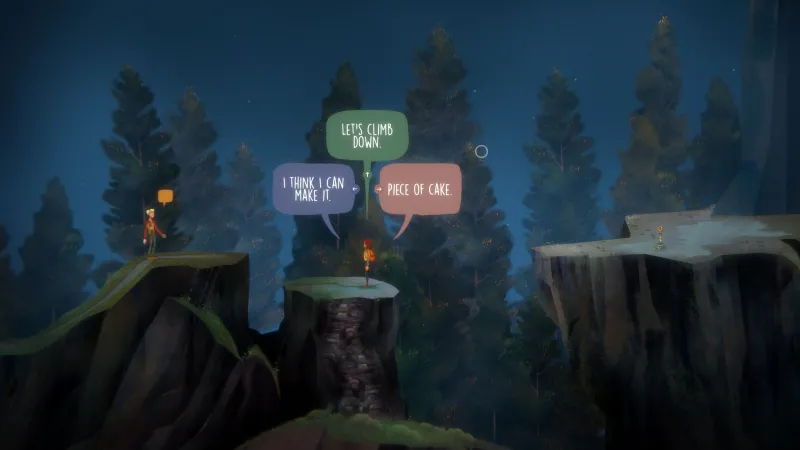
Night School Studio’s closure represents a particularly poignant moment in Netflix’s gaming journey. The studio had established itself as a creative force in the indie gaming scene long before its acquisition, releasing the supernatural adventure game Oxenfree in 2016 to widespread critical acclaim. The game’s unique dialogue system, atmospheric storytelling, and memorable characters earned it numerous awards and a devoted fanbase. Night School followed up with Afterparty in 2019, another narrative-driven experience that showcased the studio’s distinctive approach to interactive storytelling. Netflix acquired Night School in September 2021, making it one of the streaming company’s earliest and most significant investments in game development.
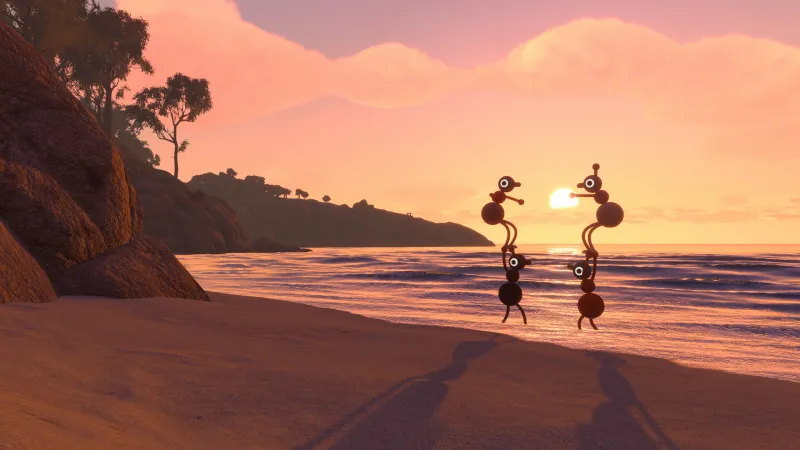
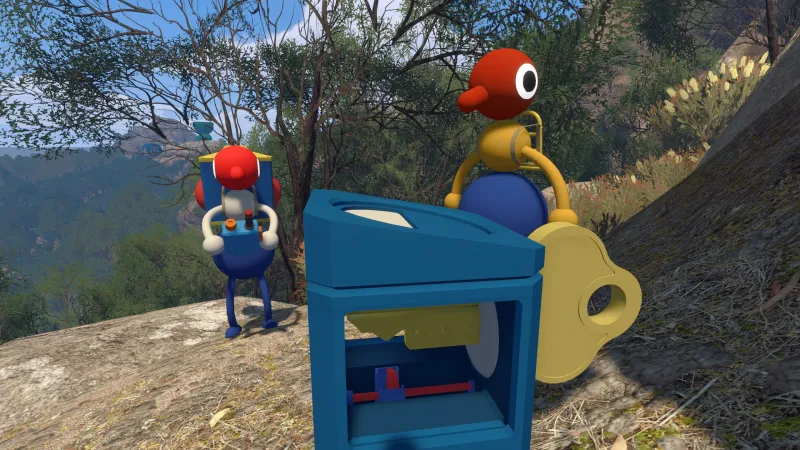
Under Netflix’s ownership, Night School continued to produce content, releasing Oxenfree II: Lost Signals in 2023, which expanded upon the original game’s mysterious coastal setting and supernatural themes. More recently, the studio launched Thronglets in 2025 and Unhinged, which debuted just days ago on June 30. Ironically, Netflix co-CEO Greg Peters reportedly praised Unhinged during a recent investor call, making the studio’s sudden closure all the more surprising. The disconnect between public praise and private decision-making suggests that Netflix’s internal metrics for success in gaming may differ significantly from traditional measures of critical acclaim.
Moonloot: A Studio That Never Got Its Chance
While Night School’s closure ends a successful creative run, Moonloot’s shutdown represents unrealized potential. The Helsinki-based studio was founded in September 2022 under the leadership of Marko Lastikka, a veteran game developer with experience at industry giants Zynga and Electronic Arts. Finland has long been a powerhouse in mobile and casual gaming, home to studios like Supercell and Rovio, making it a logical location for Netflix to establish a presence. However, Moonloot never managed to bring a single project to market before its closure, leaving questions about what might have been had the studio been given more time or resources to develop its vision.
Netflix’s decision to close both studios simultaneously indicates a broader strategic recalibration rather than individual performance issues. According to reports, the company plans to focus its future gaming efforts on more accessible categories, including children’s games, party games, story-driven experiences, and titles with mainstream appeal. A recently released FIFA game exemplifies this new direction, leveraging existing intellectual property with proven mass-market appeal rather than investing in original creative ventures that carry higher risks.
A Troubled Industry Landscape
Netflix’s studio closures arrive during an extraordinarily turbulent period for the video game industry. Mass layoffs and studio shutdowns have become disturbingly routine over the past two years, affecting developers of all sizes and across all platforms. Just this week, Supermassive Games, the developer known for Until Dawn and the Dark Pictures Anthology, announced its third wave of layoffs since 2024. Earlier this year, Battlefield Studios conducted layoffs despite their parent company releasing one of 2025’s best-selling games, demonstrating that commercial success no longer guarantees job security in the industry.
Perhaps most dramatically, Bungie, the legendary studio behind Halo and Destiny, was effectively absorbed into Sony PlayStation following devastating cuts, with Destiny 2 receiving its final content update. Microsoft’s Xbox division also parted ways with several development studios this year, laying off thousands of employees across its gaming organization. That decision sparked visible backlash, with reports indicating that Xbox’s new CEO was recently greeted by a giant inflatable rat—a traditional symbol of labor protest—during a visit to Bethesda Game Studios. These industry-wide struggles provide important context for Netflix’s decision, suggesting that even well-funded companies are reassessing their gaming investments in an increasingly challenging market environment.
Expert Opinion: Netflix’s retreat from original game development signals that the company has recognized the fundamental differences between content streaming and interactive entertainment. While Netflix excels at licensing and distributing finished products, the unpredictable creative timelines and high failure rates inherent to game development may simply be incompatible with the company’s data-driven content strategy. Future success in gaming will likely require Netflix to function more as a publisher and platform than a developer, acquiring finished games rather than nurturing studios through lengthy development cycles.